Oregon Riding Areas With a Dune Section
A ride can look like “just a quick trip to the sand” until you discover the dunes are spread across several areas, each with different access points, terrain, fees, and closures. This guide compares Oregon riding areas with a dune section—from the coast to the high desert—and explains how to choose a spot, prepare your machine, and plan a less stressful day.
Oregon riding areas with dune sections
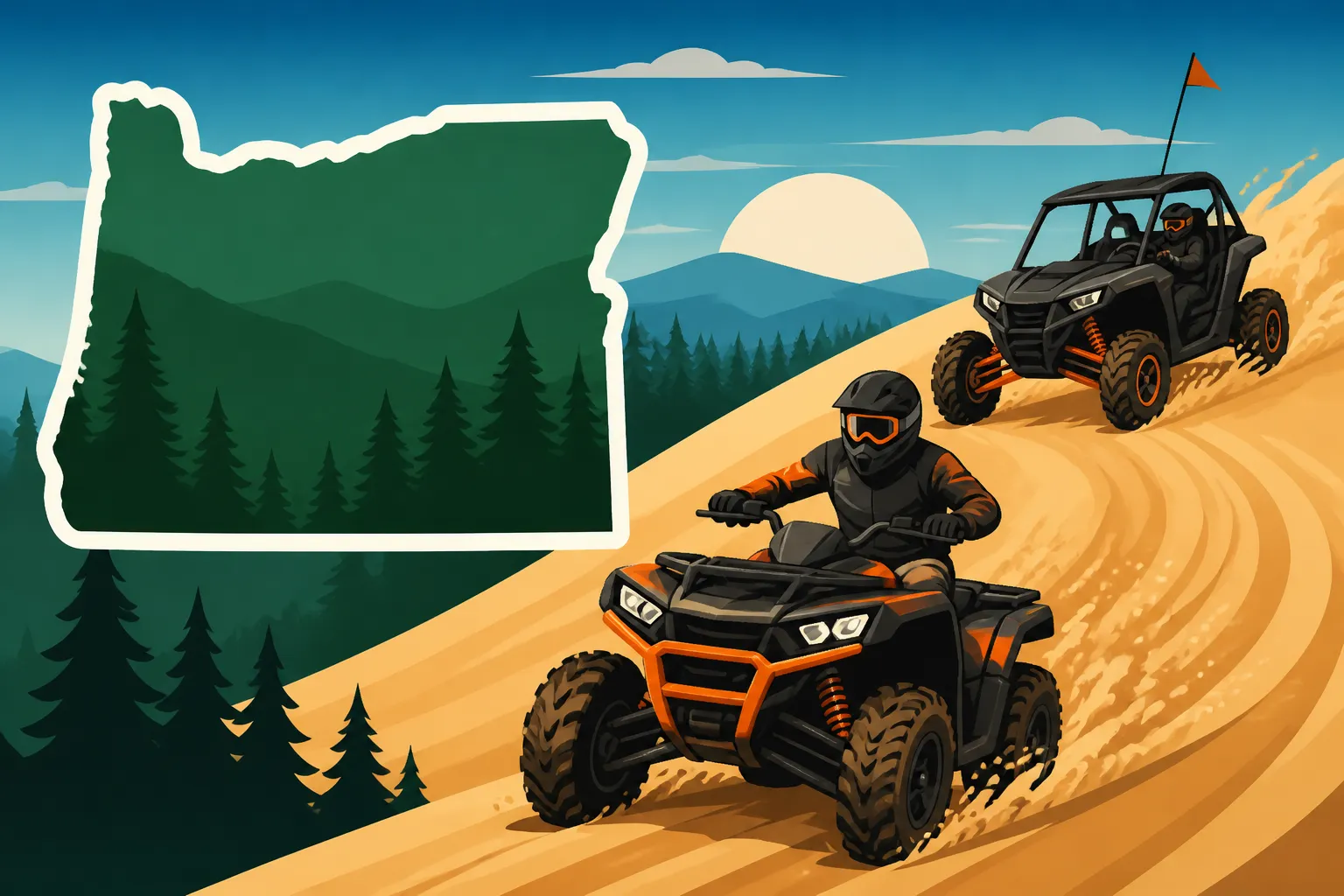
Oregon’s best-known dune riding is along the coast, where large sand systems sit near Florence, Winchester Bay, and Pacific City. The landscape changes from one staging area to another: you might start among trees and head into open sand, or park close to the dunes and spend most of the day riding sandy terrain. Inland, Christmas Valley offers a different setting, with high-desert scenery and dunes far from the coast.
The places below are useful starting points, not a guarantee that every route or dune is open on the day you visit. Boundaries and access can change, so check the relevant land manager’s current notices before unloading.
Oregon Dunes near Florence and Winchester Bay
The Oregon Dunes National Recreation Area stretches along the central coast, with riding areas near Florence and farther south around Winchester Bay. Florence-area access includes South Jetty and the Siltcoos area. Around Winchester Bay, riders often look at Spinreel, Hauser, and other staging areas near the dunes. These are not interchangeable entrances to one identical riding experience: the access point affects where you begin, what facilities are nearby, and which sections you can reach comfortably.
Expect a mix of open sand, dune faces, forest edges, and routes connecting riding areas. That variety can make the coast appealing to a group with different experience levels, but it also means it is worth choosing your staging area before you arrive. A family hoping for a relaxed first outing may have a better day by picking a familiar access point and agreeing on a manageable route instead of trying to cover as much ground as possible. For an overview of the larger area, see [The Oregon Dunes National Recreation Area].
Coastal conditions are part of the ride. Fog can reduce visibility, wet sand can feel very different from dry sand, and windblown sand can affect both people and machines. Pay attention to posted boundaries, habitat fencing, and closure signs, especially near the beach. Areas such as Horsfall have their own access considerations, and beach riding is not automatically permitted wherever sand meets the water. Check [Oregon Beach Riding at Horsfall Outside Plover Season] before planning a beach segment.
Sand Lake near Pacific City
Sand Lake Recreation Area is north of Florence, near Pacific City. Its dunes offer a coastal ride without requiring a trip all the way to the larger Florence or Winchester Bay riding areas. Forest, sand, and nearby campgrounds give the area a different feel from a wide-open dune day, and its compact geography can be useful for riders who want to focus on one destination.
The smaller footprint does not mean you can ignore planning. Check which areas are open, where motorized access is allowed, and which access point fits your vehicle and riding plan. A group arriving with a trailer should also confirm where it can park and whether the intended staging location is practical for the size of the tow rig. For help comparing the local access options, read [Sand Lake's Four Oregon Campgrounds] and [Fisherman's Day Use at Sand Lake].
Sand Lake can be a good choice for a weekend built around riding and camping, but a campground reservation and a riding plan are separate parts of the trip. Do not assume that a campsite reservation includes every site fee or that a nearby road is open to ATVs. If you are staying overnight, check campground details and access rules with the managing agency before you travel.
Christmas Valley’s inland dunes
Christmas Valley Dunes, in Lake County, offer a high-desert alternative to coastal riding. The setting is more open and remote than the forested coast, and the trip can feel very different even if the main attraction is still sand. For riders coming from Bend or central Oregon, it may be a more practical option than driving to the coast, depending on their starting point and the current access conditions.
The inland setting brings its own preparation needs. Services may be farther away, weather can shift quickly, and a remote ride calls for a more deliberate plan for fuel, water, navigation, and recovery. Do not rely on cell service as your only way to find your route or contact help. A downloadable map in onX Offroad can be a useful planning aid, but compare it with land-manager information and posted signs rather than treating any app as permission to ride. The guide to [Christmas Valley Dunes in an Oregon Winter] can help you think through how the season affects a high-desert visit.
Christmas Valley is not simply a coastal dune trip with a longer drive. The open landscape, distance between services, and exposure to weather make it especially important to tell someone where you plan to ride and when you expect to return. For more context on the surrounding area, see [Lakeview District Land and Riding].
Choosing the right dune area for your trip
The “best” Oregon dune area depends on the ride you want, who is coming, and how much logistics you are comfortable handling. A spot that works well for a family with a rented machine may not be the right choice for a group hauling multiple personal vehicles. Think about the whole day: travel, unloading, riding, breaks, and the return drive.
| Riding area | Best fit for | What to plan around |
|---|---|---|
| Florence-area Oregon Dunes | Riders looking for a broad coastal dune destination with multiple access areas | Pick a specific staging area, check boundaries and closures, and prepare for coastal weather |
| Winchester Bay area | Riders wanting access near Spinreel, Hauser, or other southern dune access points | Confirm the exact staging location and plan around busy periods and visibility |
| Sand Lake | A more compact coastal destination near Pacific City, often suited to a focused day or camping trip | Check local access, campground details, parking, and current restrictions |
| Christmas Valley | Riders seeking an inland, high-desert setting away from coastal conditions | Carry a stronger self-sufficiency plan for navigation, fuel, water, and recovery |
Coastal dunes or inland sand
Coastal dunes often make sense when your trip includes the coast itself, nearby towns, or a campground-based weekend. Florence and Winchester Bay have recognizable staging areas and nearby communities, but a coastal day still requires attention to fog, wind, salt, sand, and seasonal restrictions. Riders should also consider whether their route passes near sensitive habitat or beach areas with separate rules.
Christmas Valley may suit riders who want a more remote, inland outing. The environment can be less forgiving if you arrive without enough water, fuel, or a navigation backup. A map app such as onX Offroad can help you review the area before departure, but download what you need while you have a connection and verify access information with the land manager. The articles [Oregon's Coastal Riding Versus High Desert] and [Inland Dunes Versus Coastal Dunes] offer useful ways to compare the two settings.
Match the staging area to your group
A staging area is not just a place to park. It shapes how easily you can unload, regroup, take a break, and get help if a machine develops a problem. If your group includes children, newer riders, or people on different types of machines, choose a straightforward meeting point and agree on a turnaround plan before anyone heads into the dunes.
For a mixed-experience group, set expectations about pace and separation. The fastest rider should not disappear over a ridge while a beginner is still working through a turn or soft patch. Use clear landmarks, stop at agreed points, and decide what the group will do if someone loses sight of the others. On a crowded weekend, a simple plan can prevent a short stop from turning into a long search.
Preparing your machine and paperwork
A dune ride involves more than deciding where to point the vehicle. Check that the machine is appropriate for the route, confirm the required paperwork, and inspect the basics before you leave home. These small steps matter most when the staging area is busy or you are far from a repair shop.
Permits, safety cards, and day-use fees
Oregon’s ATV operating permit and a site’s day-use or parking fee are separate items. Do not assume that paying at a staging area covers the machine’s permit, or that having an ATV permit pays for parking. Requirements can also depend on the machine, where you are riding, and whether you are visiting from another state. Start with [Oregon ATV Permits Explained] and check [Oregon Day Use Fees Explained] for the difference between riding credentials and site access charges.
Safety-card requirements are another separate consideration. Requirements can vary by rider and machine class, so confirm what applies to each person before the trip rather than relying on another group member’s card or experience. The detailed guide [Oregon ATV Safety Card Requirements] is a useful place to review the basics.
If you are visiting Oregon, verify whether your home-state credential is accepted for the kind of riding you plan to do and how long any reciprocity applies. Do not assume that a permit or registration that works at home automatically covers an Oregon ride. Keep required documents accessible, and have a backup plan if you store them on a phone that could lose power or signal.
Machine checks and dune equipment
Before loading up, check tires, wheels, brakes, steering, fuel, and any safety equipment your machine needs. A short inspection in the driveway is easier than discovering a loose part after unloading in a crowded lot. Bring basic tools and supplies that match your machine and your group’s ability to use them.
Dune visibility deserves special attention. Make sure any required flag or whip is installed properly and can be seen by other riders. Sand ridges can hide machines from one another, and a blind crest is not a place to accelerate without checking the line. Review [Oregon Dune Flags and Whips] and [Oregon Spark Arrester Requirements on Trails] as part of your pre-ride checklist.
Protect yourself and your vehicle from the conditions you expect. Goggles, appropriate clothing, water, and a way to manage sand in equipment can make a big difference over a full day. On the coast, rinse and inspect your machine after riding to remove sand and salt residue. Inland, plan for dust and exposure rather than coastal moisture. The right preparation depends on the area, but carrying more water and a basic first-aid kit is sensible in either setting.
Planning a safer, smoother dune ride
Dunes can feel spacious, but that does not make them predictable. Visibility changes with terrain and weather, sand conditions can vary within a short distance, and other riders may approach from directions you cannot see. Leave room for mistakes, keep your group together, and treat signs and closures as part of the route—not as optional suggestions.
Check closures and conditions before unloading
Before you leave, check the land manager’s latest alerts, maps, and access information for your chosen area. A route shown as open in an old screenshot may have changed, and a driveable track is not necessarily an authorized route. Once you arrive, look for signs at the staging area and along the route. If a posted notice conflicts with your saved map, follow the current on-site restriction and clarify the route with the managing agency.
This matters especially near beaches, habitat areas, and seasonal closures. Boundaries can be easy to miss when the landscape is all sand, so identify them before riding. For an overview of closure planning, see [Oregon Trail Closures to Check First]. If you use onX Offroad to prepare, treat it as one planning tool: confirm that the route is open with the land manager, and do not ride past a closure because a digital map appears to show a connecting track.
Weather can affect both the ride and the drive home. Coastal fog and wind can cut visibility, while inland heat and exposure can make a long outing harder than expected. If conditions are poor, shorten the route or choose a different activity. Turning around early is frustrating, but it is much better than trying to navigate unfamiliar terrain when your group is tired or visibility has dropped.
Use a group plan that works in the sand
Agree on basic signals, meeting points, and regrouping habits before starting. Keep riders within a distance that makes communication practical, and pause at safe, visible locations rather than stopping just beyond a blind crest. If someone gets stuck or has a mechanical problem, make sure the rest of the group knows where they are before anyone goes for help.
A simple plan can be as specific as: stay together to the first broad landmark, stop there, and decide whether to continue. Set a return time that leaves a cushion for loading and the drive home. If you are unfamiliar with a riding area, consider a shorter first loop rather than committing to a long route before you understand the terrain.
Good dune etiquette also protects everyone’s day. Give other machines space, avoid cutting across another rider’s line, and slow down where visibility is limited. Pack out trash and keep machines within permitted riding areas. If the group’s pace or comfort level changes, adjust the plan instead of pressuring someone to continue.
Build a practical day-of checklist
Before setting out, confirm the exact staging area, operating access, and any site fees. Check that every machine has the required permit or accepted credential, and that each rider has the necessary safety documentation. Make sure your group knows where to meet, how to contact one another, and what to do if someone becomes separated.
For an easy-to-miss final check, use this sequence:
- Confirm that the riding area and intended routes are open.
- Verify machine permits, rider requirements, and separate site fees.
- Check fuel, tires, brakes, lights, flag or whip, and essential gear.
- Download navigation information and save the land manager’s contact details.
- Pack water, food, first aid, tools, and recovery equipment suitable for the group.
- Tell someone outside the ride where you are going and when you expect to return.
- Review boundaries and regrouping points with everyone before starting.
The right Oregon dune area is the one that matches your group’s skill, machine, and appetite for planning—not simply the one with the biggest name. Choose a staging point deliberately, verify access before you go, and leave room in the day for changing conditions. That preparation makes it easier to enjoy the sand without turning a fun outing into a scramble.
Disclaimer
This article is for general informational purposes only and does not constitute professional advice. Laws, prices and regulations vary by location and change over time. Consult a qualified professional for guidance on your specific situation.