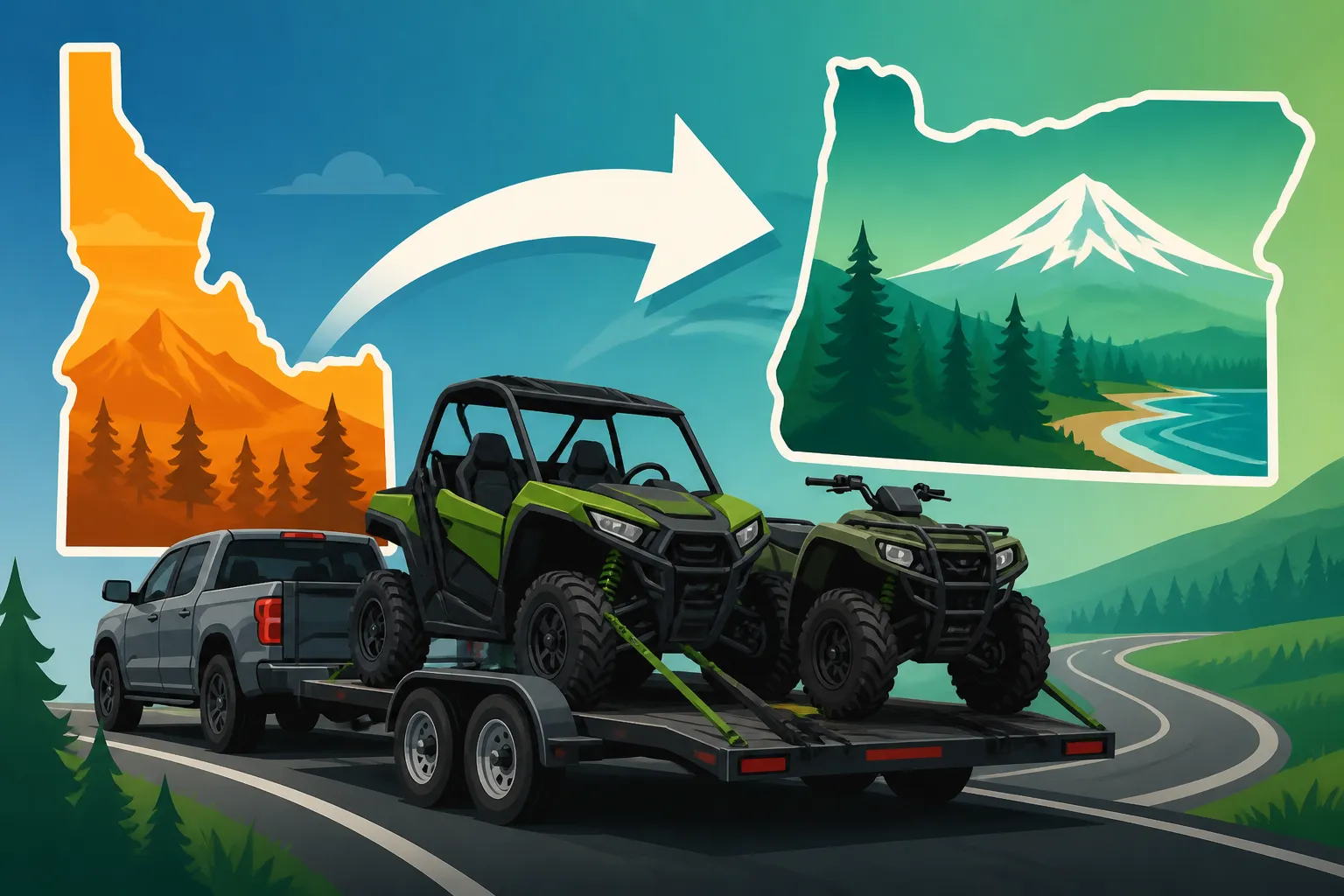
Bringing a Machine From Idaho
Moving your life, including your beloved ATV or UTV, from Idaho to Oregon can feel like navigating a maze of paperwork and regulations. You're probably wondering if your Idaho registration means anything here, what new stickers you'll need, and if you have to jump through hoops just to hit the trails. The good news is, while Oregon has its own system, it’s fairly straightforward once you understand it. This guide will walk you through everything you need to know to get your Idaho machine legally ready to ride Oregon's incredible dunes, forests, and desert trails.
Understanding Oregon's Unique Approach to Off-Road Vehicles
Oregon operates a bit differently than many other states when it comes to off-highway vehicles (OHVs). If you're coming from Idaho, where your machine might have a specific registration or even be street-legal with plates, you'll quickly realize that Oregon has its own distinct requirements for off-road use. It's not about registering your machine like a car with the DMV; it's about getting an operating permit and ensuring you, the rider, have the necessary safety education.
Oregon's Permit System Versus Idaho's Registration
In Idaho, your ATV or UTV likely has a "registration" or an "OHV sticker" that serves as proof you've paid your dues and can legally operate it on designated trails. You might even have a street-legal designation for some UTVs. Oregon, however, uses an "operating permit" system managed by the Oregon Parks and Recreation Department (OPRD), not the Department of Motor Vehicles. This is a critical distinction that often trips up new residents. When you move to Oregon, your Idaho registration for off-road use essentially becomes moot for continuous riding here. While Oregon does offer a limited [Oregon Rules for an Out-of-State Machine] exemption for visitors, once you're a resident, you'll need an Oregon permit.
Think of it this way: your Idaho registration told Idaho you could ride there. Now that you're in Oregon, Oregon wants to know you can ride here. This permit is what funds the upkeep of our trails, staging areas, and rider safety programs, which is a pretty great system when you think about it. It’s a direct investment back into the riding opportunities we all enjoy.
Why Your Idaho Title Might Still Matter (Even If Not for Registration)
Even though Oregon doesn't "register" ATVs or UTVs in the traditional sense for off-road use, your Idaho title is still a really important document. It serves as your official proof of ownership, linking you directly to your machine. Oregon offers [Titling an ATV in Oregon Is Optional], meaning you don't have to get an Oregon title for an off-road only machine. However, having a title, especially if you plan to sell the machine down the line or ever need to prove it's yours, is highly recommended.
Imagine a scenario where your machine is stolen. Without a clear title, proving ownership to law enforcement or an insurance company can be a nightmare. Or, if you decide to sell your quad, many buyers will want to see a clear title for their own peace of mind. Keeping your Idaho title safe, or opting to get an Oregon title (even if it's optional), simplifies many potential headaches down the road. It also prevents issues if you ever need to create a bill of sale or other legal documents, for which resources like LawDepot can provide helpful templates, but a solid title makes those processes much smoother.
Essential Steps to Ride Your Idaho Machine in Oregon
Once you've settled into your new Oregon home, getting your ATV or UTV ready for the trails is usually a two-part process: securing an Oregon ATV Operating Permit and obtaining an Oregon ATV Safety Education Card. Both are mandatory for residents, and thankfully, both are relatively straightforward to acquire.
Acquiring Your Oregon ATV Operating Permit
This is the big one! Every ATV or UTV used on public land in Oregon needs a valid [Oregon's ATV Operating Permit] decal. It’s what pays for the trails and ensures you’re a recognized part of our riding community. The process is pretty simple:
- Online: The easiest way for many folks is to purchase your permit directly from the Oregon Parks and Recreation Department's website. You can often print a temporary permit right away, allowing you to hit the trails while your official decal makes its way through the mail. This means no waiting around and missing out on a beautiful weekend. [Buying an Oregon Permit Online]
- In-Person: If you prefer a face-to-face transaction, you can visit one of the many authorized [Where Oregon Sells ATV Permits]. These include ATV dealerships, some sporting goods stores, and even a few state parks. This is a great option if you're already out and about or need that decal in hand immediately.
- Cost and Duration: The [Oregon ATV Permit Cost] is a flat fee, regardless of your machine's class, and it's valid for two years from the month of purchase. This generous two-year period means less frequent renewals and more time riding. [Why Oregon's Permit Lasts Two Years]
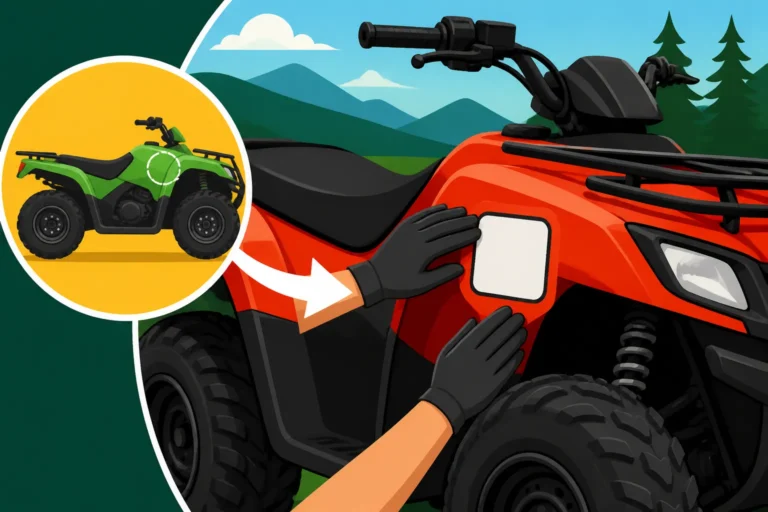
Once you have your permit, make sure to attach the decal correctly. There are specific rules for [Oregon Permit Decals and Where They Go], depending on if you have a quad, a side-by-side, or an off-road motorcycle. For instance, a quad's decal typically goes on the right side. [Decal Placement on a Quad's Right Side] Getting this right helps ensure you pass any ranger checks at staging areas like Spinreel or Browns Camp.
Obtaining Your Oregon ATV Safety Education Card
Beyond the permit for your machine, Oregon also requires the operator to carry a valid [Oregon's ATV Safety Education Card]. This isn't just a formality; it's about ensuring everyone on the trails has a baseline understanding of safe riding practices and environmental responsibility. And yes, this applies to adults too!
- The Online Course: For most adults and experienced riders, the quickest route to getting your safety card is completing the free online course provided by OPRD. It covers essential safety practices, Oregon's specific rules, and environmental considerations. It's comprehensive but designed to be digestible. [Oregon ATV Safety Card Cost] – actually, the course itself is free, but some online providers might charge a small fee for processing or printing a physical card, so always double-check. [The Free Oregon Safety Card Online]
- Hands-On Training: While the online course is sufficient for many, especially adults, riders under a certain age (typically under 16, though exact rules can vary) may also require hands-on training to complete their safety card requirements. This ensures they get practical experience under supervision. [Oregon Hands-On Training Requirements]
- Reciprocity: This is where Idaho riders need to pay close attention. Oregon does honor safety cards from certain other states, but unfortunately, Idaho is not currently on that specific list. [Does Oregon Accept an Out-of-State Safety Card?] This means that even if you have an Idaho OHV safety certification, you will still need to complete Oregon's safety education requirements to obtain an Oregon ATV Safety Education Card. There's no getting around this for a resident.
It's crucial to carry your safety card (or proof of it, often on your phone) whenever you ride. Rangers at staging areas frequently check for both the permit decal and the safety card, and riding without one can result in a [Oregon's Class C Traffic Violation for No Permit].
Optional Titling for Your Idaho Machine in Oregon
While an Oregon title isn't mandatory for off-road use, there are compelling reasons why many new residents choose to get one, especially if they're coming from a state like Idaho where titles are more common for these types of vehicles.
The Benefits of an Oregon Title
Even with optional titling for off-road vehicles, an Oregon title provides undeniable advantages. First and foremost, it serves as irrefutable proof of ownership in Oregon. If your Idaho title is lost, damaged, or perhaps the original owner never provided one (which happens more often than you'd think when buying used), an Oregon title can regularize your ownership status here. This is especially helpful if you're ever in a dispute or need to show a clear chain of custody. [Why an Oregon Title Is Worth Having Anyway]
Furthermore, having an Oregon title simplifies future transactions within the state. When you eventually decide to sell your machine, a clean Oregon title makes the process smoother for both you and the buyer. Buyers generally prefer a clear title, as it gives them confidence in the purchase and helps them avoid potential issues down the road regarding stolen machines or outstanding liens. For creating formal documents for a sale, resources like LawDepot can provide a robust [Oregon Bill of Sale for an ATV] template, but a title makes the sale process even more secure.
How to Get an Oregon Title for Your Idaho Machine
The process for titling an off-road machine from Idaho in Oregon is handled by the Oregon Department of Motor Vehicles (DMV), which might seem counterintuitive since they don't register ATVs for off-road use. Here's a general overview of what you'll need:
- Your Idaho Title: This is the primary document. Make sure it’s in your name and free of any liens. If there’s a lienholder (like a bank you financed the purchase through), you’ll need a lien release from them.
- Application for Title: You’ll fill out an Oregon DMV application for title. This form collects all the necessary information about you and your machine.
- Proof of Ownership: Even if you have the title, the DMV might require a bill of sale if the title isn't clearly in your name or if you’ve recently purchased the machine. If you bought it from a private seller in Idaho, a detailed [Oregon Bill of Sale for an ATV] is essential.
- Vehicle Identification Number (VIN) Inspection: The DMV may require a VIN inspection to verify that the machine matches the paperwork and hasn't been reported stolen. This is a standard procedure for out-of-state vehicles.
- Fees: There will be a fee associated with obtaining an Oregon title. Remember, specific fees can change, so it's always best to check the current schedule on the Oregon DMV website. [Oregon ATV Title Cost]
Once processed, you'll receive your Oregon title, providing that additional layer of security and convenience for your machine. This is particularly useful if you're thinking long-term about your ownership in Oregon.
Preparing Your Machine and Yourself for Oregon Trails
Beyond the paperwork, there are a few practical considerations to ensure your Idaho machine is ready to safely and legally hit Oregon's diverse trails. Oregon has specific rules that cover everything from safety gear to environmental protection.
Safety Gear and Machine Requirements
Oregon takes rider safety seriously, and that means adhering to certain equipment standards. Even if your machine was perfectly set up for Idaho riding, it's worth a quick check to ensure compliance here:
- Helmets: All riders under the age of 18 are required to wear a DOT or Snell-approved helmet when riding an ATV or UTV. While adults aren't strictly mandated to wear helmets on all types of OHVs, it's always highly recommended for your safety. [Oregon Helmet Rules for Every Rider Under 18]
- Spark Arresters: Oregon has strict rules about spark arresters to prevent wildfires. Every ATV and UTV operated on public land must be equipped with a U.S. Forest Service-approved spark arrester that is in good working order. Before heading out, double-check yours. [Oregon Spark Arrester Requirement]
- Sound Limits: Just like many other states, Oregon has sound limits for OHVs to minimize noise pollution and ensure a more enjoyable experience for all trail users and nearby communities. If you have an aftermarket exhaust, make sure it complies with Oregon's sound limits. [Oregon Sound Limits for ATVs]
- Lights: If you plan on riding in low light conditions or at night, your machine will need working headlights and taillights. This is crucial for visibility and safety. [Oregon Lighting Requirements for Road Use]
Taking a few minutes to ensure your machine meets these basic requirements can save you from a citation and ensure you have a responsible and safe ride.
Reciprocity and Visiting Riders vs. Residents
When you first move from Idaho to Oregon, there's often some confusion about reciprocity. While Oregon does have [Oregon Permit Reciprocity List] with some states for up to 60 consecutive days for the operating permit, this is generally intended for visitors, not new residents who plan to stay. Once you establish residency in Oregon, the expectation is that you will acquire an Oregon operating permit for your machine.
Regarding safety cards, as mentioned, Idaho is not on Oregon's list of reciprocal states for the safety card. This means that if you're an Idaho resident just visiting Oregon, you'd still need to get an Oregon safety card, or complete the online course, if you plan to ride here. However, once you become an Oregon resident, you must have the Oregon ATV Safety Education Card.
The safest and simplest approach is to get your Oregon permit and safety card as soon as you can after moving. It eliminates any ambiguity and ensures you're fully compliant with Oregon law from day one. It's a small investment for peace of mind and access to fantastic riding.
| Requirement | Idaho (Typical) | Oregon (Resident) | Notes |
|---|---|---|---|
| Operating Permit | OHV Sticker/Plate | Oregon ATV Permit | Required for all public land use; your Idaho permit is not valid for residents. |
| Safety Card | OHV Safety Cert. | Oregon ATV Safety Card | Mandatory for all operators; Idaho safety certs are not reciprocal. |
| Machine Title | Often Required | Optional (for OHV) | Recommended for proof of ownership and resale; handled by Oregon DMV. [Titling a Class I Without Registering It] |
| Spark Arrester | Yes | Yes (USFS Approved) | Crucial for fire prevention. |
| Sound Limits | Yes | Yes | Ensure aftermarket exhausts comply. |
| Helmets | Required for certain ages/types | Required for < 18 | Highly recommended for all riders. |
Now that you've got the essentials covered, you're ready to explore Oregon's incredible riding areas. From the [Oregon Dunes National Recreation Area] on the coast to the high desert trails of [Millican Valley Outside Bend, Oregon], there's a lifetime of adventure waiting for you and your Idaho machine, now properly permitted and ready to roll in the Beaver State.
Disclaimer
This article is for general informational purposes only and does not constitute professional advice. Laws, prices and regulations vary by location and change over time. Consult a qualified professional for guidance on your specific situation.