Crater Lake as a Nearby Stop
A ride near Prospect can pair well with a visit to Crater Lake, but the two experiences have very different rules: OHVs belong on designated riding routes, while Crater Lake National Park is a sightseeing destination, not an ATV trail system. This guide explains how to plan the combination, what to check before leaving, and how to avoid arriving with the wrong vehicle or assumptions.
How Prospect OHV and Crater Lake Fit Together
Make Prospect the riding part of the trip
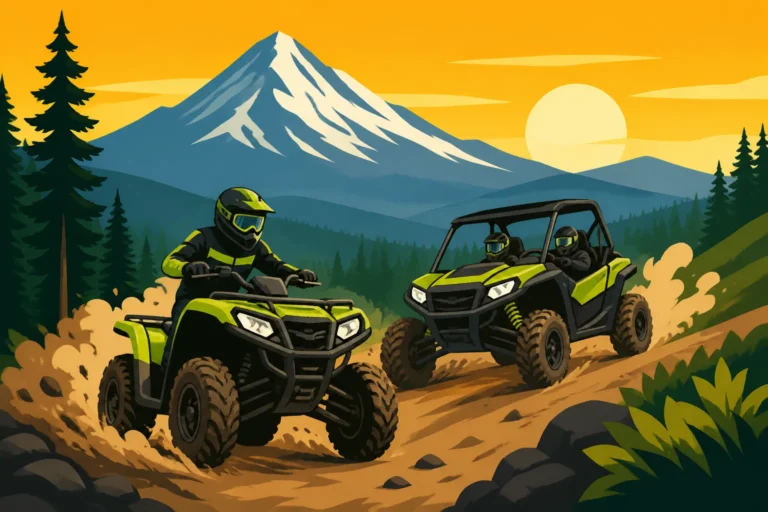
Prospect OHV is a riding destination in the southern Oregon forest country, while Crater Lake National Park is a separate stop for scenery, viewpoints, and park activities. They can work together in one trip, but they are not one connected riding area. Plan to ride only where OHV use is allowed, then travel to the park in a road-legal vehicle or with your OHV secured on a trailer.
The distinction matters because a trailhead or forest road that looks like a convenient route on a map may not be open to your machine. A road may be restricted, seasonally closed, or intended for other users. Do not assume that a route leading in the general direction of the park is a legal ATV connector. Before the trip, review the riding-area information for Prospect OHV Near Crater Lake and the separate details in Prospect for a Long Weekend.
This is especially helpful if you are traveling with a group that wants both trail time and a park visit. Agree in advance on where the machines will be unloaded, where the road vehicle will be parked, and when everyone will switch from riding gear to sightseeing clothes. That simple plan avoids trying to turn a trail ride into an improvised road trip.
Keep the national park visit separate from OHV riding
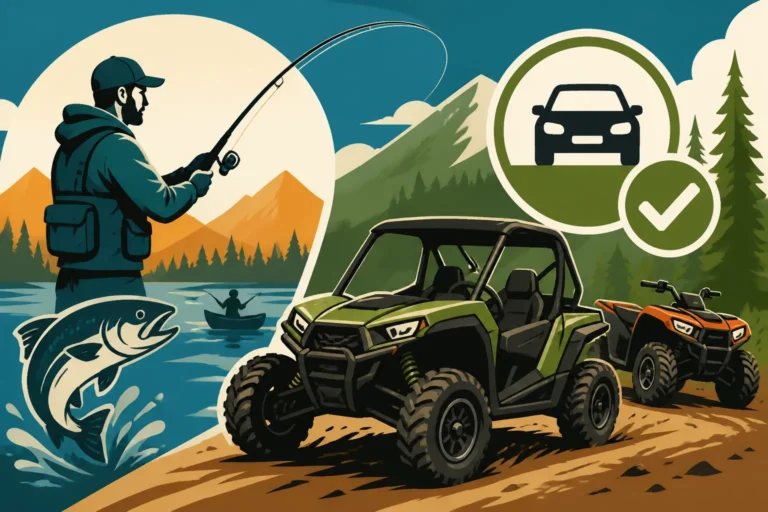
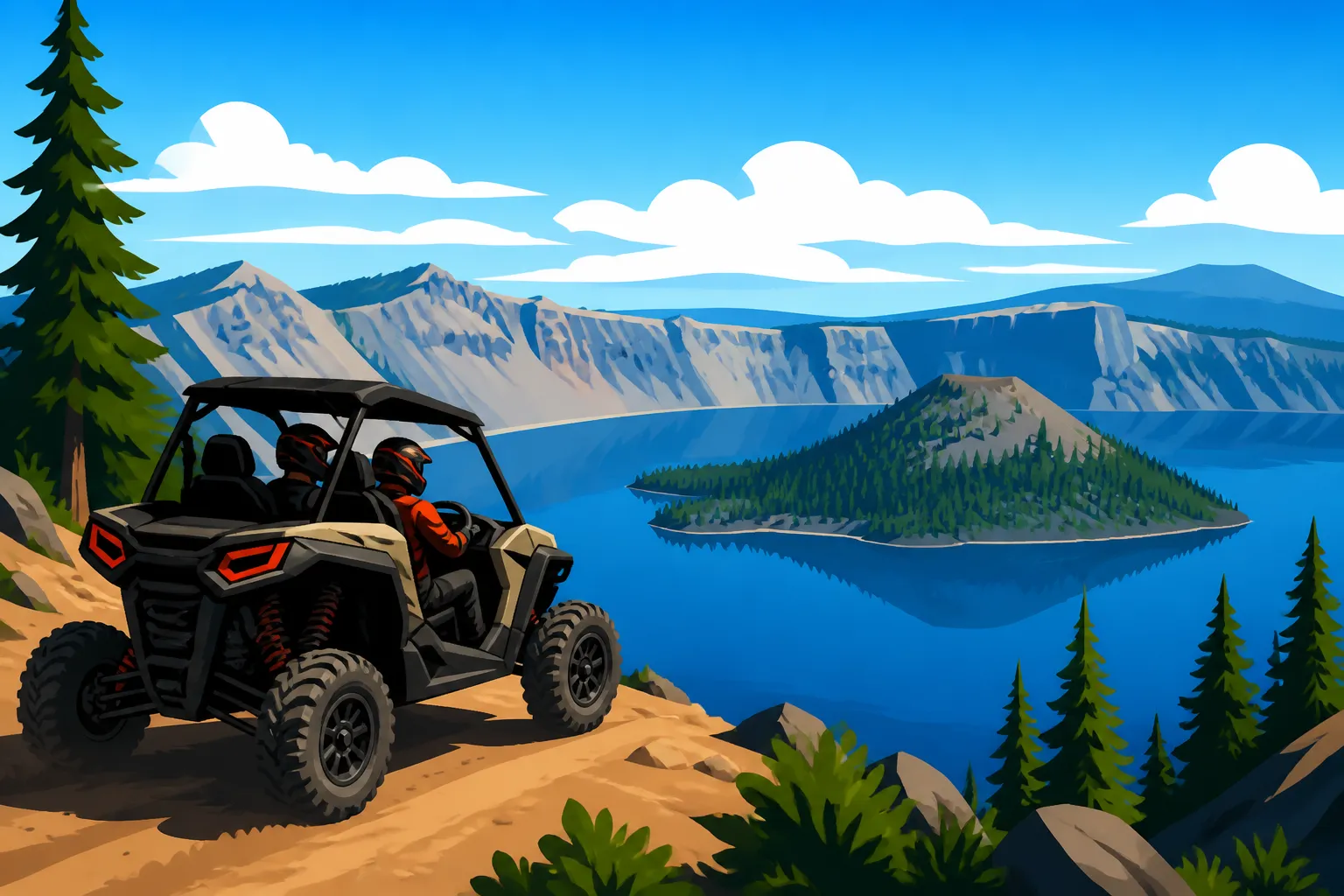
Crater Lake National Park is not a place to ride an ATV or UTV around the rim or on park trails. A machine that is appropriate for an OHV area does not automatically qualify for use on public roads or in a national park. If you want to visit the lake, use a vehicle that is legal for the roads you intend to travel, and follow the park’s posted rules and closures.
It is easy to underestimate how different the two stops feel. Prospect riding may involve forest routes, uneven ground, dust, mud, and changing trail conditions. A Crater Lake visit may involve a long drive, changing weather, busy viewpoints, and walking away from your vehicle. If you are towing an ATV, make sure the trailer and tow vehicle are suited to the road journey, and check where parking is appropriate before you arrive.
Think of the visit as two separate outings linked by a drive: one with riding equipment and trail planning, and one with a road vehicle and park planning. That framing keeps you from relying on an ATV GPS route to find a park entrance or expecting a ride-area map to show visitor roads and facilities.
Planning the Drive and Your Day
Choose a realistic order for the stops
The best sequence depends on your lodging, the weather, and how much riding your group wants to do. Some travelers ride first and visit the park afterward; others make the park visit the priority and ride on a different day. Trying to fit a long ride and a full sightseeing loop into one day can make both feel rushed, especially if you need to unload, secure equipment, refuel, or drive between locations.
Before settling on a schedule, check travel times using a road map rather than estimating from a trail map. Forest roads and highways are not interchangeable, and a route that looks short on a screen can take longer than expected. Check for road work, closures, and changing access conditions, and leave room for food, rest, and unexpected delays.
If you have only one day, decide what matters most. For example, a family with young children may prefer a shorter ride followed by a few accessible viewpoints, while experienced riders may want to devote most of the day to riding and save the park for another visit. A written plan can prevent the common situation where everyone assumes there is time for “one more loop” before a long drive.
Account for season, weather, and daylight
Conditions around the Cascades can change quickly, and the riding season at Prospect does not necessarily match the best time for a Crater Lake visit. Higher elevations can have snow or winter conditions after lower areas have become comfortable for riding. Park roads and facilities can also have seasonal access changes. Check both destinations separately rather than relying on a general forecast for the nearest town.
Rain can affect forest riding, while snow, ice, fog, or strong wind can change the comfort and safety of a park visit. A sunny forecast in a lower-elevation town does not guarantee clear conditions at the lake. Bring layers, drinking water, and footwear suitable for walking. For riding, pack equipment that matches the trail and weather conditions, and do not count on a scenic stop to provide supplies for an OHV outing.
Seasonal planning is easier when you compare the areas and their access patterns before booking. The overview in Oregon Riding Seasons by Area can help you think through regional differences, while Oregon Trail Closures to Check First is a useful reminder to verify closures close to departure. For a particular trip, confirm current access information for each place rather than assuming last season’s conditions still apply.
Preparing Your ATV or UTV for the Riding Portion
Confirm the machine, permit, and rider requirements
Before you load up, confirm that your machine is set up for the type of riding you plan to do and that you have the required Oregon OHV permit and safety documentation for your situation. A permit or safety card requirement is separate from the rules for visiting a national park in a road vehicle. Carry required items with you, and make sure other riders in your group know what applies to them.
Class can matter, too. ATVs and UTVs may fall into different Oregon OHV classes depending on their design and measurements. If you are unsure how your machine is classified, check Which Oregon ATV Class Your Machine Falls Into rather than guessing from its name or appearance. Riders using a dirt bike can review Oregon ATV Permit for a Dirt Bike, and the broader guidance in Oregon ATV Safety Card Requirements can help with rider preparation.
If you are traveling with a child or a less experienced rider, consider whether the planned route and machine are appropriate for their abilities. A long drive to a riding area is a poor time to discover that a rider lacks required equipment, documentation, or confidence. Do a quick check at home: inspect the machine, confirm the permit decal is present and readable, and pack any required card or proof in a dry, accessible place.
Use maps as a planning aid, not permission to ride
A digital map can be useful for organizing a trip, but a line on a screen does not by itself establish that a route is open to OHVs. Check the land manager’s route information, signs at the site, and any local closure notices. This is particularly important near forest boundaries, private land, and roads used for timber operations.
Tools such as onX Offroad can help you review mapped routes, orient yourself, and keep track of your planned riding area. Use onX Offroad as one part of your preparation, not as a substitute for current local rules or posted signs. Download maps before you leave cell service, and carry a backup that you can consult if your phone battery runs low.
A practical routine is to mark your intended staging area, identify the route options you are considering, and note where you will turn around if conditions change. Then compare that plan with official information before riding. The advice in Oregon Trail Maps Worth Carrying is useful here: digital navigation is handy, but a map you can access offline or carry separately can be valuable when reception is weak.
Making the Crater Lake Stop Comfortable and Safe
Pack for two different kinds of outings
Riding gear is not automatically comfortable for a park visit. Dusty boots, bulky protective clothing, and helmets may be right for the OHV portion but awkward when you are walking to a viewpoint or spending time in a visitor area. Bring a change of clothes, walking shoes, a warm layer, and a place to store riding gear so it does not get scattered through the vehicle.
Keep essential items easy to reach: water, snacks, medication, sunscreen, and a charged phone. If your group is split between the tow vehicle and another car, make sure everyone knows which vehicle has the supplies and where the meeting point is. Families can also agree on a simple plan for what to do if someone gets separated in a busy parking area.
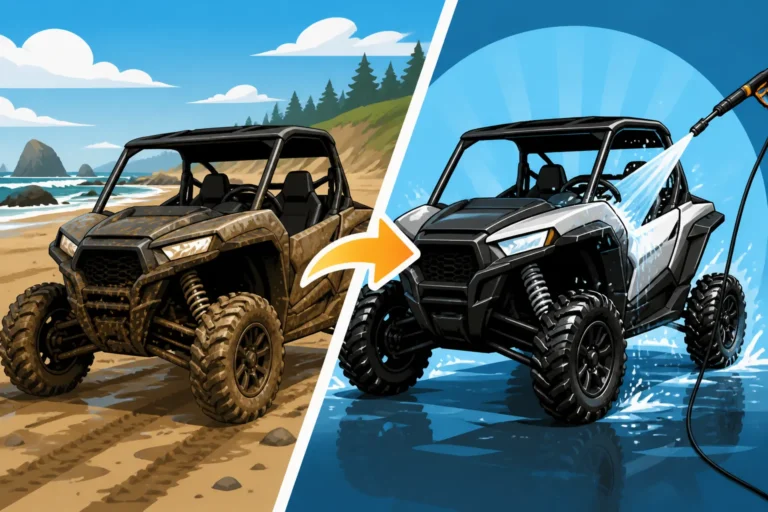
Do not leave valuable riding equipment exposed in an unattended vehicle or trailer. Secure machines and gear before setting off for the park, and check that the trailer is properly attached and parked where permitted. If you are staying overnight, choose lodging or a campground that suits both the tow vehicle and trailer, and confirm its parking arrangements before you arrive.
Set expectations for the park visit
A stop at Crater Lake can be as brief as a viewpoint visit or as involved as a longer day of sightseeing and walking. Decide what your group wants to see before you arrive, then check for access changes and available facilities. If the weather is poor or a road is closed, have a backup plan rather than trying to force the original itinerary.
Also allow time for the drive back. Riding often leaves people tired, and park roads can be slow when traffic builds or weather reduces visibility. If you are planning a long day, choose a clear stopping point for the ride and avoid pushing onward just because the group is enjoying itself. The safer plan is the one that leaves enough time to secure the machines, eat, and reach your next stop without rushing.
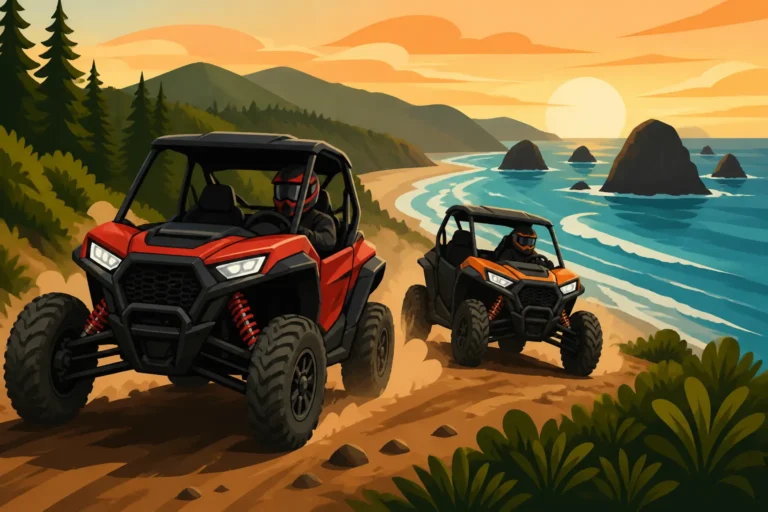
A little advance coordination makes the combination work well: ride in the designated OHV area, travel to the park in an appropriate road vehicle, and treat each location’s rules and conditions separately. With the route, equipment, and timing settled beforehand, you can enjoy the contrast between forest riding and the lake’s dramatic views without turning the day into a scramble.
Disclaimer
This article is for general informational purposes only and does not constitute professional advice. Laws, prices and regulations vary by location and change over time. Consult a qualified professional for guidance on your specific situation.