Oregon ATV Permit for a Dirt Bike
It's incredibly common for dirt bike riders in Oregon to wonder if their beloved machine falls under the state's ATV permit system. The truth is, the line between what's considered a "dirt bike" and what Oregon classifies as an "ATV" for permitting purposes can feel blurry and frustrating. This guide is here to clear up that confusion, explaining exactly why your dirt bike needs an Oregon ATV permit and how to get one, so you can hit the trails legally and confidently.
The Basics: Does My Dirt Bike Need an Oregon ATV Permit?
Many riders are surprised to learn that, yes, in most cases, your dirt bike absolutely needs an Oregon ATV operating permit if you plan to ride it on public lands. The reason for this often comes down to how Oregon defines these machines and the specific class your dirt bike falls into. It's not just about quads and side-by-sides; the system is designed to cover a wider range of off-highway vehicles.
Oregon's Definition of an ATV and How Dirt Bikes Fit In
When you hear "ATV," your mind probably jumps straight to those four-wheeled machines with handlebars that everyone calls "quads." But Oregon's legal definition of an All-Terrain Vehicle (ATV) is much broader, encompassing several different types of off-road vehicles. This is where the confusion often begins for dirt bike enthusiasts. The state categorizes off-highway vehicles into four main classes: Class I (quads), Class II (larger, multi-purpose vehicles like jeeps or sand rails), Class III (off-road motorcycles, which is where your dirt bike lives), and Class IV (side-by-sides).
Your dirt bike, regardless of its engine size or whether it's two-stroke or four-stroke, is considered an "off-road motorcycle" under Oregon law, which places it squarely into Class III. This means that for all intents and purposes, from a permitting standpoint, your dirt bike is treated similarly to other ATVs. It's a key piece of information that many riders overlook, leading to potential fines or issues when they're out enjoying the trails. The state needs a way to fund trail maintenance, safety programs, and manage riding areas, and this comprehensive permit system is how they do it.
Where You Need the Permit to Ride
Once you understand that your dirt bike is a Class III ATV, the next logical question is, "Where exactly do I need this permit?" The answer is pretty straightforward: you need an Oregon ATV operating permit any time you plan to ride your dirt bike on public lands in Oregon. This includes a vast network of popular riding areas that many of us love to frequent.
Think about places like the Oregon Dunes National Recreation Area, the Tillamook State Forest trails, Millican Valley outside Bend, or the Prospect OHV area near Crater Lake. If it's a designated off-highway vehicle trail, staging area, or open riding zone managed by the Bureau of Land Management (BLM), the U.S. Forest Service, Oregon Parks and Recreation Department, or Oregon Department of Forestry, your dirt bike needs that permit decal prominently displayed. Trying to ride without one on these public lands is a quick way to encounter a ranger and receive a citation. However, if you're strictly riding on private land that you own or have explicit permission to use, then an Oregon ATV permit is generally not required for that specific property. The rules really kick in when you access the public's shared riding resources. [Oregon Rules for a Machine on Private Land]
Understanding Oregon's Class III Off-Road Motorcycle Rules
Navigating Oregon's ATV rules can feel like trying to find your way through a new trail system without a map. But once you understand the core classifications and requirements, it becomes much clearer. For dirt bike riders, recognizing your machine as a Class III Off-Road Motorcycle is the first critical step to staying compliant and enjoying the ride.
What Makes a Dirt Bike a Class III Machine?
Oregon's classification system for off-highway vehicles is designed to differentiate between various types of machines based on their design and operation. For your dirt bike, it's all about how you sit and steer. A Class III Off-Road Motorcycle is defined as any motorized, off-highway, two-wheeled vehicle that has a straddle seat and is operated by handlebars. This description fits virtually every dirt bike out there, from a small 85cc youth bike to a powerful 450cc enduro machine.
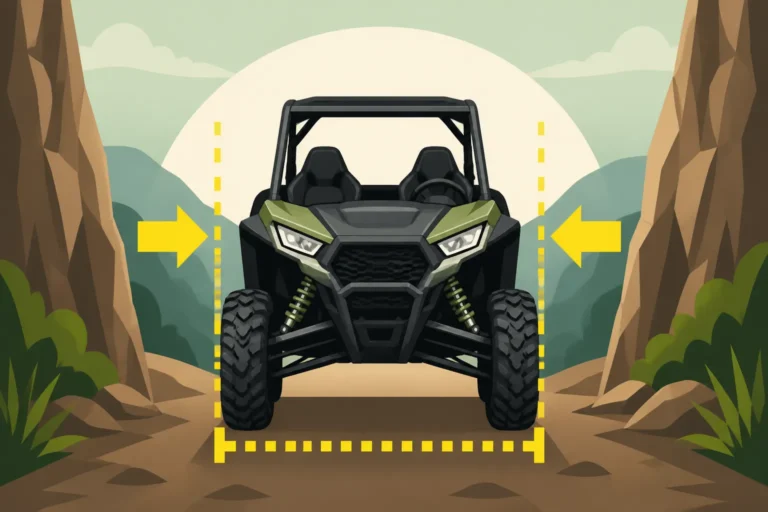
This distinct classification separates dirt bikes from other types of ATVs. For instance, Class I machines are what we typically call quads – they have four wheels, a straddle seat, and handlebars, but that extra set of wheels changes their designation. [Oregon's Class I Under ORS 801.190] Then you have Class IV machines, the side-by-sides, which feature bench or bucket seating and a steering wheel, a completely different riding experience. [Oregon's Class IV Side-by-Sides Under 75 Inches] Because of these unique operational characteristics, the rules for decal placement and sometimes even safety requirements can vary slightly between classes, though the need for a permit is consistent across all of them for public land use. [Class III Off-Road Motorcycles in Oregon]
Specific Requirements for Dirt Bike Riders
Beyond just needing the permit, dirt bike riders have a few other important requirements to keep in mind when hitting Oregon's public lands. These are designed to ensure safety, minimize environmental impact, and maintain a positive experience for all trail users. Ignoring these can lead to trouble, even if you have your permit in hand.
First and foremost, your dirt bike must be equipped with an approved spark arrester. This is a crucial piece of safety equipment, especially in Oregon's dry forests, as it prevents sparks from your exhaust system from igniting dry vegetation. Always make sure yours is in good working order and is a Forest Service approved model. Rangers frequently check for these at staging areas, particularly during fire season, so don't get caught without one. [Oregon Spark Arrester Requirement]
Secondly, Oregon has sound limits for off-highway vehicles. While it might be tempting to install that super-loud aftermarket exhaust, doing so could put you over the legal limit. Excessively noisy dirt bikes can disturb wildlife, other trail users, and nearby residents, leading to complaints and, again, potential citations. It’s always best to ensure your exhaust system meets Oregon's regulations to avoid any issues. [Oregon Sound Limits for ATVs] Finally, and often confused with the permit itself, is the Oregon ATV Safety Education Card. While the permit is for your machine, the safety card is for the rider. Most riders, regardless of age, need one to operate an off-highway vehicle on public lands. We'll dive into that a bit more later, but it’s a separate, mandatory requirement for nearly all dirt bike riders.
How to Get Your Oregon ATV Permit for a Dirt Bike
Alright, so you know your dirt bike needs a permit. Now, how do you actually get your hands on one? The process is designed to be relatively simple and accessible, with a few different options available depending on your preference and location. Don't let the thought of bureaucracy deter you; it's a quick process that keeps you legal and supports the trails you love.
Where to Purchase Your Permit
Oregon offers several convenient ways to purchase your ATV operating permit, which covers your Class III dirt bike. You can choose the method that best fits your schedule and location. The most popular options include buying online, visiting an authorized permit agent, or, in some cases, picking one up at a state park.
Many riders find the online option the easiest. You can head to the Oregon Parks and Recreation Department (OPRD) website, fill out a simple form, pay the fee, and often receive a temporary permit via email almost immediately. This allows you to ride right away, though you'll still need to wait for your physical decal to arrive in the mail. This is a fantastic option if you realize you need a permit at the last minute before a weekend ride. [Buying an Oregon Permit Online] Alternatively, if you prefer to handle things in person or need the physical decal right away, there are numerous authorized permit agents scattered across the state. These often include ATV dealerships, sporting goods stores, and even some general stores in rural areas. It's a good idea to check the OPRD website for a list of agents near you before you head out. [Oregon Permit Agents You Can Walk Into] Some Oregon State Parks also sell permits, which can be convenient if you're camping or visiting one of their locations before heading to the trails. [Buying a Permit at an Oregon State Park]
What You'll Need and What to Expect
No matter where you decide to purchase your permit, the process is generally straightforward. You'll need some basic information about your dirt bike and yourself. Typically, you'll provide the vehicle's make, model, year, and its Vehicle Identification Number (VIN). This ensures the permit is correctly associated with your specific machine. You'll also need to provide your personal contact information.
The permit itself is valid for two years from the month of purchase. This means you won't have to worry about renewing it every single year, giving you more time to focus on riding. The cost is the same for all ATV classes, including your Class III dirt bike, which simplifies things considerably. [How Long an Oregon ATV Permit Lasts] The fee collected goes directly back into maintaining and improving Oregon's OHV riding opportunities, so every permit purchased helps ensure there are great places to ride for years to come. [Oregon ATV Permit Cost]
Here's a quick comparison of the common ways to get your permit:
| Purchase Method | Immediate Temporary Permit? | Immediate Physical Decal? | Convenience | Best For |
|---|---|---|---|---|
| Online (OPRD Website) | Yes (emailed) | No (mailed later) | High | Last-minute purchase, quick access to ride |
| Authorized Agent | No | Yes | Medium to High | Need decal right away, prefer in-person |
| Oregon State Park | No | Yes | Medium | Already at a park, prefer in-person |
Decal Placement for Dirt Bikes
Once you've got your permit, whether it's the temporary digital version or the physical decal, the next crucial step is proper placement. For Class III Off-Road Motorcycles, Oregon has specific guidelines to ensure your decal is visible and easily identifiable by enforcement officials. Improper placement could still land you in hot water, even if you've paid for the permit.
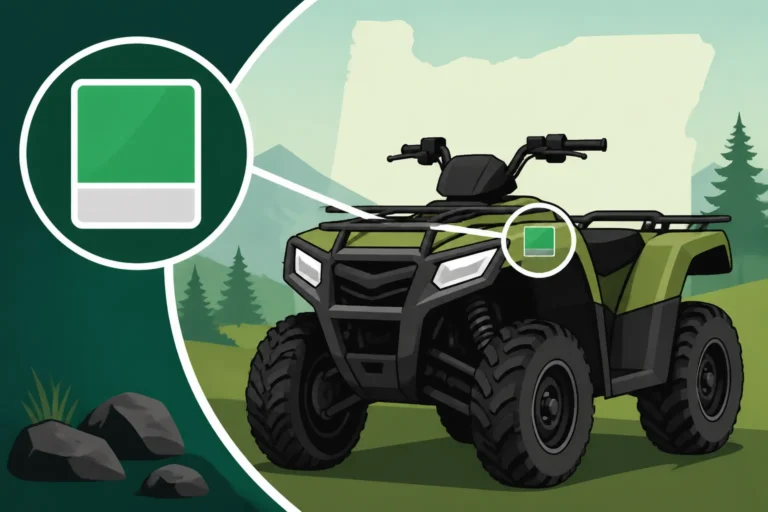
The operating permit decal for an off-road motorcycle must be permanently affixed to the right-hand side of the motorcycle in a clearly visible location. Think about the side of your front fork, the fender, or the airbox cover – somewhere that's relatively flat and where the decal can be seen without obstruction. It needs to be kept clean and legible throughout its two-year lifespan. Avoid placing it on areas that might get obscured by mud, saddlebags, or your riding gear. The goal is for a ranger to be able to quickly see that your machine is properly permitted without having to search for it. Take your time applying it to a clean, dry surface, smoothing out any bubbles to ensure it lasts. A little care here can prevent headaches down the trail. [Decal Placement on an Off-Road Motorcycle]
Common Questions and Misconceptions for Dirt Bike Riders
Even with the basic permit requirements covered, dirt bike riders often have additional questions or encounter common misconceptions about riding in Oregon. It’s always better to clarify these points upfront rather than learning the hard way out on the trails. From out-of-state visitors to safety cards and vehicle titles, there are a few more layers to understand.
Out-of-State Riders and Dirt Bike Permits
If you're visiting Oregon from another state and bringing your dirt bike with you, you might be wondering if you still need an Oregon ATV permit. This is a very common question, and thankfully, Oregon does have some reciprocity agreements with other states. The good news is that Oregon honors out-of-state OHV registrations or permits from 18 specific states for a limited time. If your home state is on that list and your machine is currently permitted there, you're generally allowed to ride in Oregon for up to 60 consecutive days without purchasing an Oregon permit.
However, it's absolutely critical to confirm if your state is on Oregon's reciprocity list. This list can sometimes differ from the list of states whose safety cards Oregon accepts. So, just because your safety card is honored doesn't automatically mean your permit is. Always double-check with the Oregon Parks and Recreation Department or a trusted resource before your trip. If your state isn't on the list, or if you plan to stay and ride for longer than 60 days, you'll need to purchase an Oregon ATV permit for your dirt bike. It’s a small investment to ensure your visit is enjoyable and citation-free. [Do Visitors Need an Oregon ATV Permit?] [How Long a Visitor Can Ride Oregon]
Safety Card Requirements for Dirt Bike Riders
This is perhaps one of the most frequently misunderstood aspects of Oregon's OHV rules. The ATV operating permit is for your machine, but the Oregon ATV Safety Education Card is for the rider. And yes, nearly every dirt bike rider needs one, regardless of age, to operate on public lands. This is not optional; it's a mandatory safety requirement that applies to Class I, Class III, and some Class IV operators.
The good news is that the online safety course and the card itself are free through the Oregon Parks and Recreation Department. You'll learn about safe riding practices, environmental responsibility, and specific Oregon laws. While adults aged 16 and over can take the course entirely online, riders under 16 also need to complete an approved hands-on training course after the online portion. There are also specific rules about supervision for young riders. Even if you've been riding for decades, you still need to get this card. It's about demonstrating knowledge of Oregon-specific rules and safety, not just riding skill. Don't confuse having an out-of-state permit for your bike with fulfilling the safety card requirement – they are entirely separate. [Oregon ATV Safety Card Requirements] [Oregon Rules for Riders Under 16]
Titling Your Dirt Bike in Oregon
Many dirt bike owners are used to titling their machines, especially if they came from a dealership or were previously street-legal in another state. In Oregon, however, the rules for titling off-highway vehicles, including your Class III dirt bike, are a bit different. For machines that are used exclusively off-road, titling is optional. This means you are not legally required to get a title from the Oregon DMV just to ride your dirt bike on trails.
While it's optional, many riders still choose to title their dirt bikes for practical reasons. A title serves as solid proof of ownership, which can be incredibly important if your machine is ever stolen, or if you decide to sell it down the line. Without a title, proving you are the legal owner can become a significant hassle, especially if you bought it from a private seller who also didn't have one. [Titling an ATV in Oregon Is Optional] If you do decide to title your dirt bike, it's handled through the Oregon DMV, but it's important to remember this is separate from the ATV operating permit system, which is managed by the Oregon Parks and Recreation Department. If you're buying a used dirt bike, even if titling is optional, it's wise to at least get a comprehensive bill of sale, and services like LawDepot offer templates that can make this process easier and more secure, providing a clear paper trail for your ownership. [Oregon Title for a Machine Used Only Off-Road]
Disclaimer
This article is for general informational purposes only and does not constitute professional advice. Laws, prices and regulations vary by location and change over time. Consult a qualified professional for guidance on your specific situation.