Riding From a Campsite to the Sand at Lakeside
There's a special kind of freedom that comes with off-road riding, but sometimes the biggest hurdle is just getting to the trails or the dunes. We've all been there: you've loaded up the trailer, driven for hours, only to then have to unload, re-load, and re-trailer your machine just to get from your campsite to the actual riding area. It's a hassle that can really put a damper on your weekend. But what if you could just roll your ATV or UTV right out of your camp spot and cruise directly to the sand? In Oregon, that dream is a reality in a very select few places, and Lakeside is one of them. This guide is all about helping you understand how to make that seamless transition from a cozy campsite to the thrilling expanse of the Oregon Dunes, specifically in the unique town of Lakeside.
The Unique Appeal of Lakeside for ATV/UTV Riders
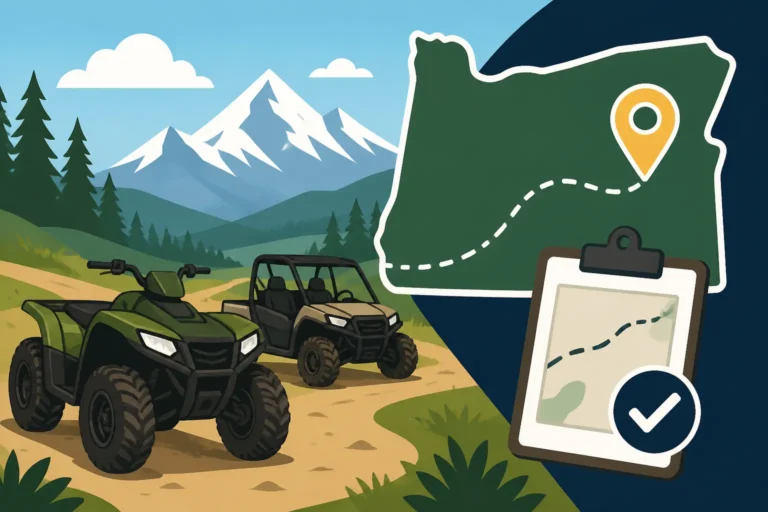
Lakeside, Oregon, tucked away on the central coast, holds a special place in the hearts of off-road enthusiasts for one very simple, yet profound, reason: it's one of only two towns in the entire state that boasts a designated ATV route. This isn't just a small, isolated track; it's a legitimate, signed route that allows you to operate your permitted ATV or UTV on specific town roads, connecting you directly from local campgrounds and private properties to the vast Oregon Dunes National Recreation Area. This direct access is a game-changer, eliminating the frustrating logistics of trailering and parking, and truly enhancing the overall riding experience.
Why Lakeside Stands Out for Beach Access
For many riders, the allure of the Oregon Coast dunes is irresistible. The towering peaks, the sweeping vistas of the Pacific Ocean, and the sheer challenge of the ever-shifting sand make for an unforgettable adventure. However, actually getting to these dunes from a place where you can camp or stay overnight can be a significant logistical puzzle. Most of the popular dune access points, like those near Florence or Winchester Bay, require you to trailer your machine to a staging area. You park your truck and trailer, unload, ride, and then reverse the process.
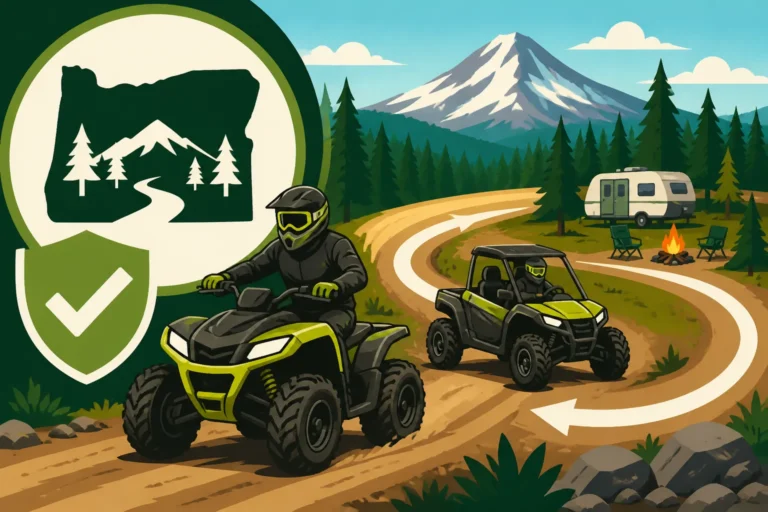
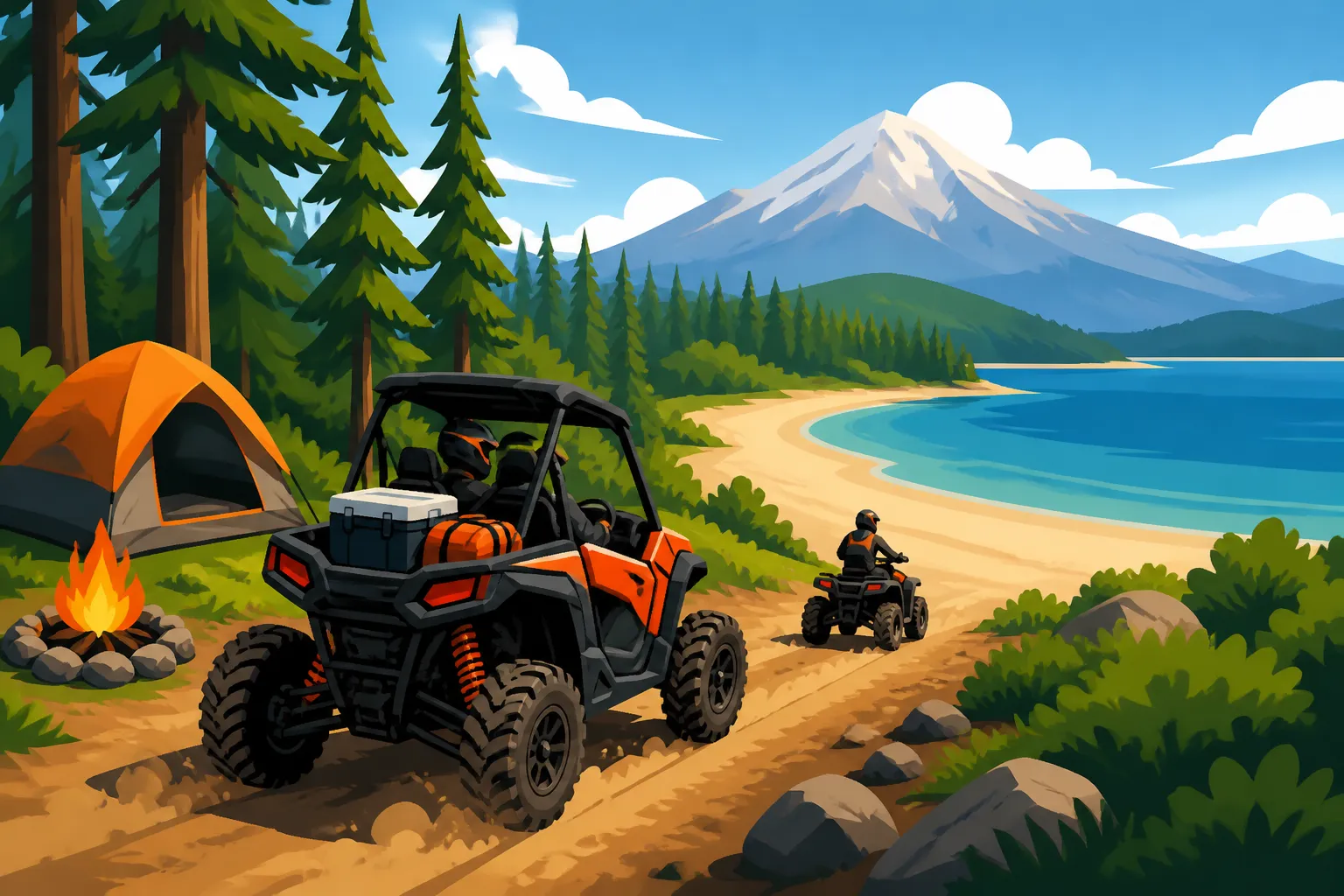
Lakeside breaks this mold entirely. Imagine waking up in your RV at a local campground like Osprey Point, making breakfast, and then, after a quick safety check, simply starting your UTV and driving it out of your site. No need to hook up a trailer, no struggling with tie-downs, no searching for an empty parking spot at a busy staging area. You’re simply on your way. This unparalleled convenience is what sets Lakeside apart and makes it such a sought-after destination for families and serious riders alike who want to maximize their time on the sand and minimize the fuss. It's a genuine slice of paradise for anyone who values a smooth, uninterrupted ride experience from their temporary home to the heart of the action.
Understanding Lakeside's Designated Route Status
The privilege of riding your ATV or UTV on town roads in Lakeside isn't a free-for-all; it's the result of carefully considered local ordinances and state regulations. Lakeside, along with the town of Sumpter in Eastern Oregon, is part of a special program designed to integrate OHV recreation with local economies and community life. This means that the routes are clearly marked, and riders are expected to adhere to all traffic laws that apply to other vehicles on these roads, in addition to specific OHV rules.
The designation process involves collaboration between the Oregon Parks and Recreation Department (OPRD), local municipalities, and various user groups. It's about creating a safe and accessible pathway for riders while minimizing impacts on residents and other road users. This system allows for [Oregon's Only Two Designated ATV Routes: Lakeside and Sumpter], providing a unique and highly valued amenity. While the route itself is a public road, its designation acknowledges the significant role ATV and UTV recreation plays in the area's tourism and local economy. Understanding this status is crucial because it means you're operating within a regulated system, not just an open-ended invitation to ride anywhere. Riders should always be aware of signs, speed limits, and residential areas along the route to ensure they contribute positively to the community that hosts this incredible access.
Navigating Lakeside's Designated ATV Route
Once you understand the unique privilege of riding your OHV on Lakeside's roads, the next step is knowing exactly how to do it safely and legally. The designated route is a defined path, connecting the heart of town and its various accommodations to the sandy entrance of the Oregon Dunes. This isn't just about convenience; it's about following the rules to ensure this valuable access remains open for everyone. Ignoring the regulations could jeopardize the route for future riders, so it's essential to be a responsible participant.
Specifics of the Route: From Camp to Sand
The designated route in Lakeside generally utilizes established public roads within the town limits. While specific street names can vary or change slightly over time, the general idea is that these roads are clearly marked with signage indicating that OHV use is permitted. You'll typically find these routes leading directly from campgrounds, rental shops, and lodging establishments through the town, eventually connecting to the main access points for the Oregon Dunes. This might involve a mix of paved and gravel surfaces, taking you past homes and businesses before you hit the staging areas or directly enter the sand.
For example, if you're staying at Osprey Point RV Resort or a similar location, you'd exit your campsite, turn onto the designated town road, and follow the signs. These routes are specifically designed to channel OHV traffic safely and efficiently, often avoiding highly congested areas where possible. The key is to pay attention to the posted signs, which will guide you through town and indicate exactly where you can ride. Think of it like navigating any other town road, but with the added convenience that your ATV or UTV is the accepted mode of transport. It's an incredible feeling to drive past a local shop or restaurant on your machine, knowing you're just minutes from the vast expanse of the dunes.
Key Rules and Regulations on the Route
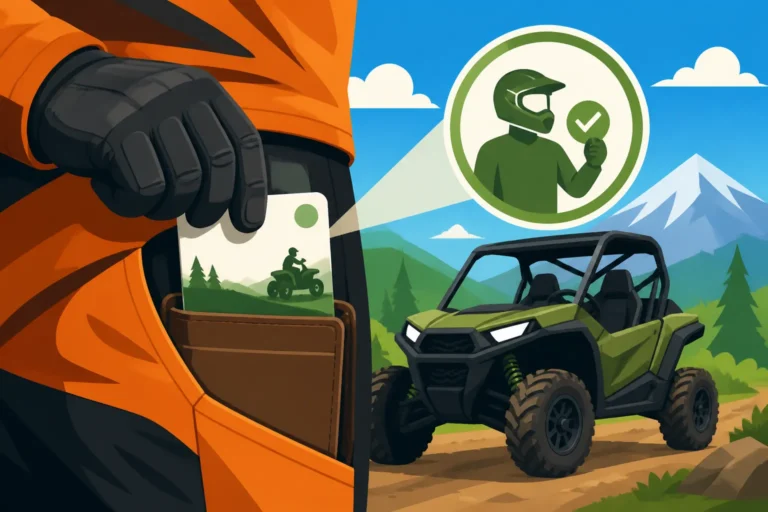
Riding on public roads, even designated ones, comes with a specific set of responsibilities. Your ATV or UTV, while street-legal on this route, must still adhere to certain standards. First and foremost, you and your machine must be properly permitted. This means having an [Oregon ATV Operating Permit] sticker visibly displayed on your rig. For visitors, [Do Visitors Need an Oregon ATV Permit?] is a common question, and the answer is typically yes, unless you qualify for reciprocity.
Beyond the permit, personal safety gear is mandatory. Oregon law requires all ATV and UTV riders, regardless of age, to wear a DOT-approved helmet. This is non-negotiable for safety and legal compliance. Eye protection is also highly recommended. Your machine itself needs to be in good working order: functional headlights, tail lights, brake lights, and turn signals (if equipped and required for the specific road type) are essential, especially if you're riding in conditions that demand visibility or if you're traveling on the route after dusk. A spark arrester is also required, even on town roads, as part of Oregon's general OHV regulations for fire prevention. Speed limits on these designated routes are the same as for other vehicles, so don't assume you can open it up just because you're on your side-by-side. Remember, this is about integrating safely into the existing traffic flow, not carving your own path.
What to Expect When Crossing Highway 101
One of the most significant aspects of navigating Lakeside's designated route is the potential need to cross U.S. Highway 101. This major coastal thoroughfare is a busy highway, and crossing it safely requires extreme caution and adherence to all traffic laws. You cannot simply drive on Highway 101; you are only permitted to cross it at designated intersections, often signaled, to continue on the designated route towards the dunes or back towards your camp.
When approaching Highway 101, treat it like any other intersection with a main road. Stop completely, look both ways multiple times, and yield to all highway traffic. This isn't the place to rush or take chances. While [Oregon Rules for Crossing a State Highway] generally apply, the specific designated route signage will guide you. Be prepared for potentially long waits during peak season or busy weekends, as highway traffic often flows quickly. Many riders find it helpful to have a spotter if riding in a group, or to watch for gaps in traffic carefully. Once you've safely crossed, you'll pick up the designated route on the other side, continuing your journey toward the sand. This crossing is a critical point where vigilance and patience are paramount to a safe and enjoyable experience.
Essential Gear and Preparations for the Ride
Being able to ride directly from your campsite to the sand at Lakeside is a fantastic convenience, but it doesn't mean you can skip essential preparations. In fact, because you're transitioning from public roads to off-road terrain, you need to be even more diligent. Think of it as preparing for two different environments with one machine, ensuring you're ready for both the paved route and the challenging dunes.
Your Machine: Permits, Safety, and Maintenance
Before you even think about firing up your engine, ensure your ATV or UTV is properly equipped and legally compliant for Oregon. Every off-highway vehicle (OHV) operating on public land or designated routes in Oregon must have an [Oregon's ATV Operating Permit]. This permit is typically a sticker or decal that you affix to your machine. Without it, you could face fines. If you're coming from out of state, there are rules regarding [Oregon Rules for an Out-of-State Machine], so check if your home state's registration offers reciprocity or if you need to purchase an Oregon permit.
Beyond the permit, your machine itself needs to be road-ready for the designated route and dune-ready for the sand.
- Lights: Make sure your headlights, taillights, and brake lights are all fully functional. This is crucial for visibility on the road, especially if you're riding near dawn, dusk, or in foggy coastal conditions.
- Tires: Check your tire pressure. While you might need higher pressure for road sections, you'll want to air down significantly once you hit the soft sand of the dunes to increase traction and floatation. Carry a portable air compressor to reinflate your tires when you return to the road.
- Spark Arrester: Oregon law mandates a U.S. Forest Service-approved spark arrester on your exhaust. This is a critical fire prevention measure, particularly during dry seasons. [Oregon Spark Arrester Requirement] is strictly enforced.
- General Maintenance: Give your machine a thorough once-over. Check fluid levels, brakes, belts, and ensure all nuts and bolts are tight. Riding on the dunes can be tough on equipment, so starting with a well-maintained machine prevents breakdowns. Investing in durable components, like heavy-duty tie rods or robust A-arms, perhaps from a reputable brand like SuperATV, can provide peace of mind and enhance your machine's resilience against the rigors of dune riding. A broken part miles from camp can quickly turn a fun day into a frustrating ordeal.
| Item | Purpose | When Needed |
|---|---|---|
| Oregon ATV Permit Decal | Legal operation on public lands & routes | Always |
| DOT-Approved Helmet | Head protection (mandatory in Oregon) | Always |
| Goggles/Eye Protection | Shield from sand, dust, debris | Always |
| Fire Extinguisher | Emergency fire suppression | Highly recommended for dunes |
| First-Aid Kit | Minor injuries, emergencies | Always |
| Tire Pressure Gauge | Adjusting for road vs. sand | Before and after dune riding |
| Portable Air Compressor | Re-inflating tires for road use | After dune riding, before returning to camp |
| Whip Flag | Visibility on dunes (Oregon law) | On the dunes (especially during peak season) |
| Navigation (GPS/Map) | Locating trails, staging areas, and routes | Always, especially in new areas |
| Water/Snacks | Hydration and energy | Always, for any duration of ride |
Personal Safety Gear and Supplies
Your personal safety is just as important as your machine's readiness. As mentioned, a DOT-approved helmet is mandatory for all riders in Oregon, regardless of age. But don't stop there.
- Eye Protection: Goggles or protective eyewear are essential to keep sand, dust, and debris out of your eyes, especially on the dunes where sand is constantly being kicked up.
- Gloves: Protect your hands from blisters, impacts, and general wear and tear. They also improve grip.
- Long Sleeves and Pants: While it might seem counterintuitive on a warm day, long sleeves and pants offer protection from sun, abrasions, and flying debris. Layering is often best on the coast, as weather can change quickly.
- Sturdy Footwear: Boots that cover your ankles provide better support and protection than sandals or sneakers.
- Whip Flag: This is a non-negotiable item for dune riding in Oregon. Your machine must have a brightly colored whip flag that extends at least 8 feet from the ground to the top of the flag. This ensures you're visible over the tops of dunes, crucial for preventing collisions with other riders. [Oregon Dune Flags and Whips] are absolutely vital.
- First Aid Kit: A well-stocked first-aid kit is a must for any outing. Minor cuts, scrapes, or sprains are common, and being able to treat them promptly can prevent them from worsening.
- Water and Snacks: Dehydration can set in quickly, especially on sunny days or during strenuous riding. Carry plenty of water and some energy-boosting snacks.
- Communication Device: A fully charged cell phone is important, but remember that cell service can be spotty in some remote dune areas. Consider carrying a satellite messenger or a two-way radio if you're venturing far out or riding in a group.
Taking the time to prepare yourself and your machine properly ensures that your ride from the campsite to the sand at Lakeside is not only convenient but also safe and enjoyable.
Maximizing Your Lakeside ATV Experience
Riding the Oregon Dunes from your campsite in Lakeside is an incredible experience, but a little extra knowledge and consideration can make it even better. Beyond just the mechanics of getting there, understanding the nuances of dune etiquette, environmental factors, and what to do when things go a little sideways can elevate your trip from good to unforgettable.
Local Etiquette and Environmental Considerations
Being a responsible rider in Lakeside means more than just following the legal rules; it means respecting the local community and the fragile coastal environment. When you're driving through town on the designated route, remember you're sharing the road with residents, pedestrians, and other vehicles. Keep your speed down, reduce excessive noise, and be mindful of dust. A friendly wave goes a long way in fostering good relationships between riders and locals.
Once you hit the dunes, environmental awareness becomes paramount. The Oregon Dunes National Recreation Area is a unique ecosystem, home to sensitive habitats and wildlife, including the threatened Western Snowy Plover. It's crucial to [Oregon Rules for Riding Near Nesting Birds] and respect all posted closures and restricted areas. These closures are typically fenced off and clearly marked, often seasonally, to protect nesting birds. Stay on designated open riding areas and avoid sensitive vegetation. Packing out everything you pack in, including all trash, is also fundamental. We want to keep these incredible riding areas pristine for generations to come. [Where Oregon ATV Permit Money Goes] is often towards maintaining these very areas, so let's help preserve them.
Troubleshooting Common Issues
Even with the best preparation, things can sometimes go wrong. Being prepared to troubleshoot common issues can save your day.
- Getting Stuck in the Sand: This is arguably the most common issue on the dunes. The key to getting unstuck is usually to not spin your tires excessively, as this will just dig you deeper. If you're in a side-by-side, try engaging 4WD if you haven't already. Gently rock the vehicle forward and backward. If you're really buried, you might need to use a shovel to clear sand from around your tires and undercarriage. Sand ladders or traction boards can also be incredibly useful. Carrying a small, portable shovel and some recovery gear, like a tow strap or a winch (many riders find a reliable winch from a company like SuperATV to be indispensable for self-recovery or helping a friend), is always a good idea.
- Flat Tires: While less common with appropriate tire pressure, flats can happen. Carrying a tire plug kit and a portable air compressor can often get you back on track. For more severe damage, you might need to call for assistance or have a spare tire if your machine allows for it.
- Mechanical Breakdown: For more serious issues, if you can't fix it yourself, you'll need to call for help. Make sure someone knows your general riding plan and expected return time. If you don't have cell service, you may need to rely on a satellite messenger or send a rider from your group back to camp or to a service area for assistance. Keeping a basic tool kit with you – wrenches, screwdrivers, zip ties, duct tape – can sometimes solve minor problems on the spot.
Riding the Oregon Dunes from a Lakeside campsite is truly a premium experience that offers unparalleled freedom and convenience. By understanding the designated route, preparing your machine and yourself thoroughly, and riding responsibly, you're set for an unforgettable adventure where the transition from bed to beach is as smooth as the sand itself.
Disclaimer
This article is for general informational purposes only and does not constitute professional advice. Laws, prices and regulations vary by location and change over time. Consult a qualified professional for guidance on your specific situation.