Carrying a Passenger With Nowhere to Rest Their Feet
You've just loaded up the quad, the sun is shining, and you're ready to hit the trails, but then a friend or family member asks, "Can I come with you?" Suddenly, you're faced with a common dilemma: your machine only has one seat, and nowhere for their feet. This isn't just an awkward problem; it's a safety hazard and a potential legal issue in Oregon. This guide will walk you through the ins and outs of safely and legally carrying a passenger, especially when your rig doesn't seem designed for it.
The Critical Need for Proper Passenger Footrests in Oregon
We've all been there, wanting to share the thrill of the ride with someone special, only to realize our machine isn't quite set up for two. But before you get creative with bungee cords and cushions, let's talk about why a secure place for your passenger's feet isn't just a suggestion; it's absolutely crucial for their safety and your peace of mind.
Why a Secure Footing is Paramount for Safety
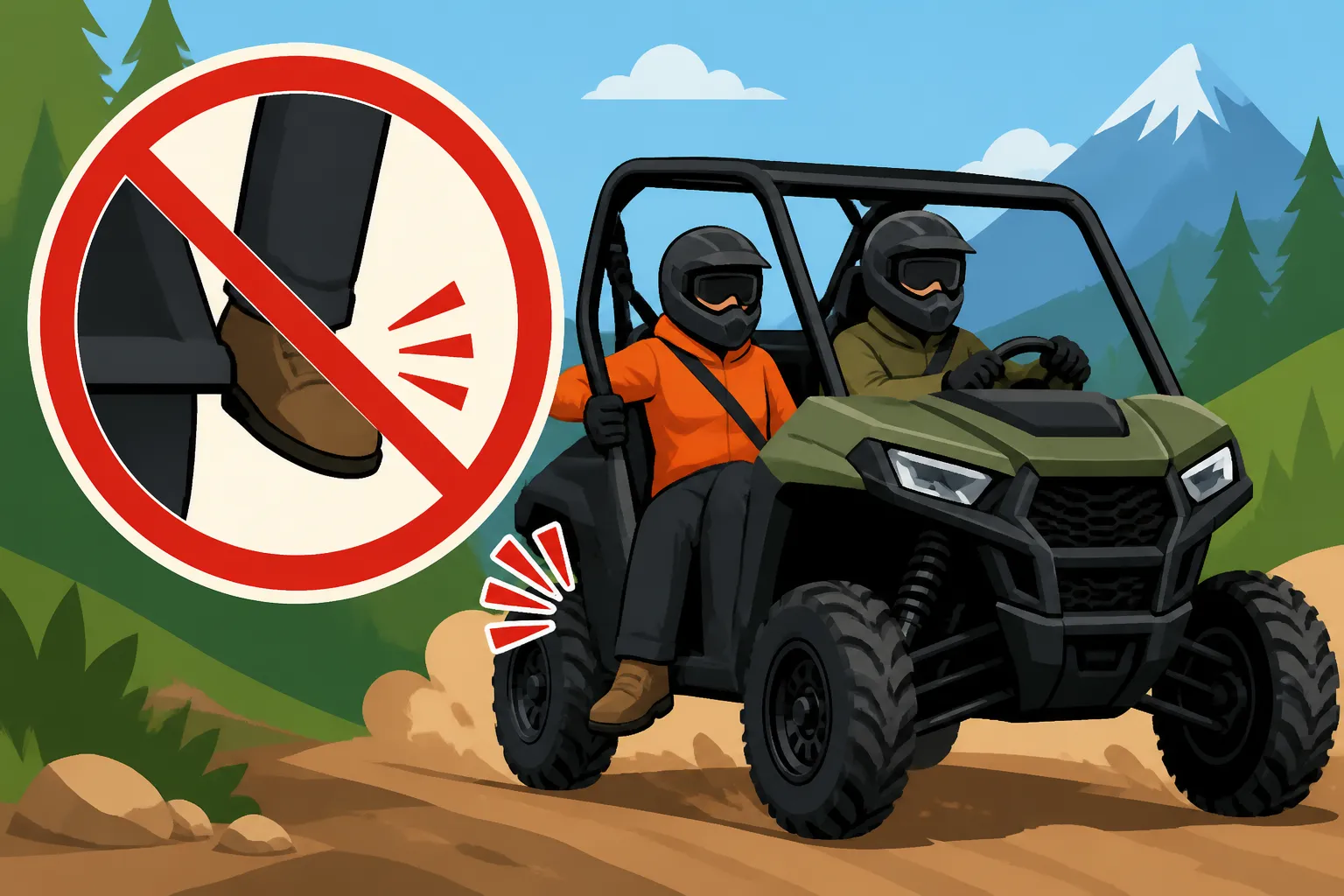
Imagine hitting a bump, making a sharp turn, or navigating some tricky terrain. If your passenger doesn't have a solid, dedicated place to brace their feet, they're going to be thrown around like a rag doll. Their feet could slip off, get caught in the tires or suspension, or they could lose their balance entirely and fall off the machine. This isn't just a scraped knee we're talking about; we're looking at broken bones, head injuries, or worse. Proper footrests allow a passenger to maintain their balance, absorb shocks, and stay securely seated, significantly reducing the risk of injury. It also helps them to communicate subtle shifts in their weight, which is vital for the operator to understand how the machine is handling. Without proper foot support, the passenger's stability is compromised, which in turn compromises the operator's control, especially in unexpected situations.
What Oregon Law Implies About Passenger Foot Support
While Oregon's regulations might not use the exact phrase "must have dedicated footrests for passengers" in every single instance, the spirit and letter of the law regarding safe operation and passenger transport implicitly demand it. The rules are designed to ensure that anyone riding an ATV or UTV is doing so in a manner that protects them from harm. When the Oregon Parks and Recreation Department sets guidelines for safe riding, or when a state trooper pulls you over for a safety check, they're looking at the overall safety of your setup. If your passenger's feet are dangling, resting precariously on a fender, or wedged somewhere they shouldn't be, it’s a clear indication that the machine isn't being operated safely for that number of occupants. Essentially, if your passenger can't safely maintain their position and balance, you're likely in violation of general safe operation principles. This is why when you review guidelines like [Oregon Rules for Passengers on a Quad], the emphasis is always on the passenger being securely seated and able to maintain their position.
Oregon's Passenger Rules: Quads, Side-by-Sides, and Youth
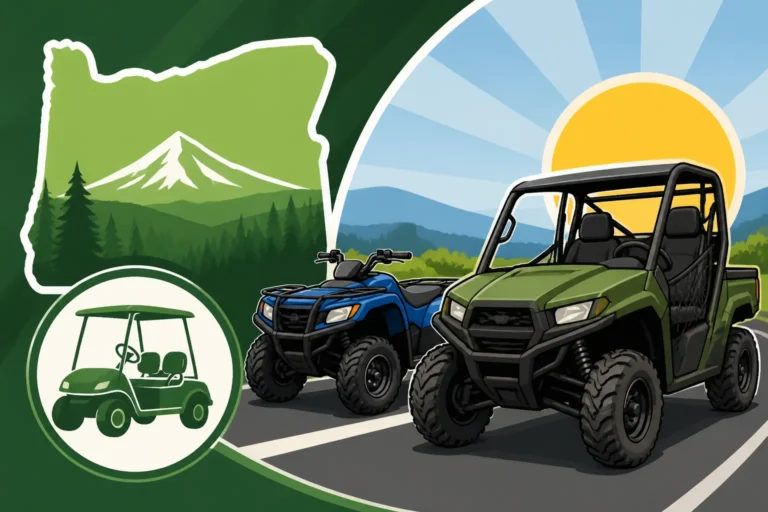
Oregon has specific rules about carrying passengers on ATVs and UTVs, and they vary depending on the type of machine. Understanding these distinctions is critical, not only for safety but also to avoid potential fines or citations. It's not a one-size-fits-all approach, and what's okay for a side-by-side might be a definite no-go for a standard quad.
Riding Two-Up on an ATV: Factory Design Matters
Most traditional, single-seat ATVs are explicitly designed and manufactured for one rider only. The seating position, foot peg placement, and weight distribution are all optimized for a solo operator. Attempting to squeeze a second person onto these machines, especially if they have nowhere secure to place their feet, is incredibly dangerous and often illegal. It throws off the machine's balance, makes steering and braking unpredictable, and exposes the passenger to severe risk. However, there are ATVs specifically manufactured as "two-up" or "two-rider" models. These machines come from the factory with an extended seat, dedicated passenger handholds, and crucially, separate footrests for the passenger. If you're going to carry a passenger on an ATV, it must be one of these factory-designed two-up models. Anything else is inviting trouble. Oregon law, in principle, supports the safe transport of passengers, and that almost always means adhering to the manufacturer's design. This is why a closer look at [Riding a Quad the Factory Built for Two] is so important; it underscores that modifications or assumptions about capacity can lead to serious legal and safety issues.
Side-by-Sides: Built for More, But Not Anything
Side-by-sides (UTVs), by their very nature, are often built to carry multiple occupants. They come with bench seats or bucket seats, seatbelts, and often a roll cage, providing a much more secure environment for passengers. For most side-by-sides, carrying passengers is perfectly acceptable, provided you adhere to the machine's factory-designed seating capacity and everyone is properly belted in. Each passenger must have their own designated seating position, complete with a seatbelt and, implicitly, a secure floorboard or footwell where their feet can rest safely inside the vehicle's protective frame. You cannot, for example, cram three people onto a two-person bench seat, nor can someone stand in the cargo bed. The general rule of thumb is that if the manufacturer intended a seat for a passenger and installed a seatbelt, then it's likely permissible. Always check your UTV's owner's manual for its specific passenger capacity. For more detailed information on UTV passenger rules, check out [Oregon Passenger Rules in a Side-by-Side]. These guidelines help ensure that even though UTVs offer more capacity, they're still used responsibly and safely.
Specific Rules for Younger Passengers
When it comes to children, Oregon has even stricter rules, and for good reason. Young riders are more vulnerable and require extra protection. Generally, a child needs to be able to reach the machine's footrests and handholds comfortably to be considered a passenger, and even then, specific age restrictions apply depending on the machine and the operator's age. For instance, there are rules about how old an operator must be to carry a passenger, and whether that operator needs to possess an [Oregon's ATV Safety Education Card]. For riders under 16, there are additional layers of supervision and safety requirements. A youth rider, whether operating or riding as a passenger, must wear an approved helmet at all times, as detailed in [Oregon Helmet Law for ATV Riders]. It’s not just about their feet; it's about their entire safety envelope. Always consult resources like [Oregon Rules for Riders Under 16] and [Oregon Rules for a Youth Rider on a Road] to ensure you're in full compliance when carrying younger passengers. The bottom line is, if a child cannot sit securely with their feet planted on designated footrests, they should not be riding as a passenger on that machine.
Enhancing Your Machine for Safe Passenger Transport
If you frequently ride with a passenger but don't own a factory two-up ATV or a side-by-side, you might be looking at modifications. While some aftermarket solutions can enhance safety, it's vital to approach them with caution and a deep understanding of your machine's limitations and Oregon's regulations. Not all modifications are created equal, and some can do more harm than good.
Selecting and Installing Aftermarket Passenger Accommodations
For single-rider ATVs, the options for safely adding a passenger are quite limited, and often, it's just not advisable. The chassis and suspension simply aren't designed for the extra weight and altered center of gravity. However, for some larger ATVs, or if you're looking for solutions that integrate better, there are aftermarket options available. These typically include bolt-on passenger seats that extend the rear rack, often incorporating separate, sturdy foot pegs and grab handles. When considering such an upgrade, research is key. Look for products from reputable manufacturers known for their quality and safety standards. Many riders turn to brands like SuperATV for their range of accessories and commitment to off-road performance. Ensure any aftermarket seat or footpeg kit is designed specifically for your make and model, and that it can be securely installed without compromising the machine's structural integrity. Installation should ideally be done by a professional or someone with mechanical expertise, following all manufacturer instructions to the letter. Remember, a loosely bolted seat or flimsy foot peg is worse than none at all.
The Importance of Your Machine's Weight Capacity
Every ATV and UTV has a Gross Vehicle Weight Rating (GVWR) and a payload capacity – this is the maximum weight the machine can safely carry, including the operator, passengers, and any cargo. Adding a passenger, especially a heavy one, can quickly push you over this limit. Exceeding your machine's weight capacity isn't just a recommendation; it's a critical safety issue. An overloaded machine will handle poorly: braking distances will increase, acceleration will suffer, and the suspension can be severely compromised, leading to a higher risk of rollovers or component failure. Before even considering a passenger, calculate the combined weight of yourself, your passenger, any gear, and even a full tank of fuel. Compare this to your machine's stated payload capacity, which you'll find in your owner's manual. Ignoring this crucial detail can lead to dangerous situations and premature wear and tear on your valuable machine. Always be mindful of your [Oregon ATV Weight Limits by Class] and your specific machine's capabilities.
When to Say No to DIY Passenger Setups
We all appreciate a bit of ingenuity, but some things just aren't worth the risk. Crafting your own passenger seat or footrests out of scrap metal, wood, or random parts is a recipe for disaster. These homemade solutions rarely offer the structural integrity, ergonomic design, or safety features required for off-road riding. They can detach unexpectedly, cause injuries due to sharp edges or poor positioning, or even interfere with the machine's operation. When you're out on the trail, facing uneven terrain, obstacles, and varying speeds, you need absolute confidence in every part of your machine, especially anything that's holding a passenger. If a legitimate, purpose-built aftermarket solution isn't available for your machine, or if you're unable to verify its safety and proper installation, the safest answer is to simply not carry a passenger on that particular vehicle. Prioritize safety over convenience every single time.
Avoiding Legal Pitfalls and Safety Risks with Passengers
Beyond the immediate physical dangers, carrying passengers improperly can land you in a world of legal and financial trouble. Oregon takes off-highway vehicle safety seriously, and that extends to how you transport your companions. Understanding these consequences can help reinforce the importance of proper setup.
Potential Fines and Traffic Violations
Riding an ATV or UTV in Oregon without adhering to passenger regulations can lead to a citation. If a park ranger or a state trooper observes your machine with an unsafe passenger setup – like a child whose feet don't reach the footrests, or two adults on a single-rider ATV – they have every right to pull you over and issue a fine. They are trained to identify these safety discrepancies during roadside checks or at staging areas. For instance, when a ranger conducts a check, they look at everything from your [Oregon ATV Permit Decal Placement] to the general condition and safe operation of your machine, which absolutely includes how passengers are seated. Ignoring these rules isn't just a minor infraction; it can be considered reckless operation, leading to a more severe penalty. These fines can quickly add up, and a citation could mean your fun day on the trails ends with a costly lesson. Paying attention to details like proper seating and foot placement is part of responsible riding.
Liability and Insurance Considerations
This is where things can get truly serious. If you're carrying a passenger improperly and an accident occurs, you could face significant personal liability. Your insurance policy might not cover injuries sustained by a passenger who was being transported in an unsafe or illegal manner. Imagine the scenario: your friend falls off because they had nowhere to brace their feet, and they suffer a serious injury. Their medical bills could be astronomical, and you could be held personally responsible for those costs, as well as for pain and suffering. This could lead to lawsuits that drain your savings, impact your credit, and cause immense stress for years. Always check your insurance policy carefully to understand what is covered, and more importantly, what is not covered. Most policies have clauses about operating the vehicle safely and legally. If you're violating Oregon's passenger rules, you're likely voiding your coverage for that specific incident.
Checking All the Boxes for a Legal Ride
To ensure you're fully compliant and your passengers are safe, it’s a good idea to perform a pre-ride checklist:
- Machine Capacity: Is your ATV a factory two-up, or is your UTV designed for the number of passengers you're carrying? Check your owner's manual.
- Seating & Restraints: Does each passenger have a dedicated seat and a working seatbelt (for UTVs)?
- Foot Placement: Can your passenger comfortably reach and firmly place their feet on designated footrests or within the vehicle's floorboard? No dangling feet, no shared footrests.
- Handholds: Does the passenger have secure handholds to brace themselves?
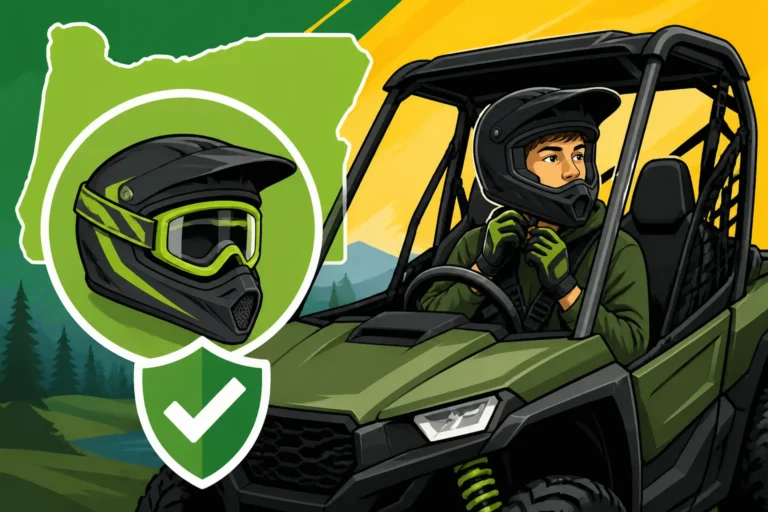
- Helmet & Gear: Is every rider, including passengers, wearing a DOT-approved helmet, eye protection, and appropriate riding gear? This is especially important for minors.
- Operator Qualifications: Do you, as the operator, have a valid [Oregon's ATV Safety Education Card] (if required for your age/machine class) and a valid driver's license (for road-legal machines or road crossings)?
- Permit: Does your machine have a current [Oregon's ATV Operating Permit] decal properly displayed?
By going through these steps, you not only ensure compliance with Oregon's OHV rules but, more importantly, you ensure a safer, more enjoyable experience for everyone on the trail. A simple check can prevent a costly mistake.
| Feature / Consideration | Single-Rider ATV (Modified) | Factory Two-Up ATV | Side-by-Side (UTV) |
|---|---|---|---|
| Designed Capacity | Originally for one rider; modifications usually not safe. | Explicitly designed for two riders. | Designed for multiple passengers (2-6+). |
| Passenger Seat | Aftermarket add-on, may compromise balance/safety. | Integrated, extended seat with proper support. | Dedicated bucket or bench seats, integrated into frame. |
| Passenger Footrests | Often inadequate or aftermarket, can be precarious. | Dedicated, sturdy footrests for passenger. | Integrated floorboards/footwells within the vehicle. |
| Handholds | May be an aftermarket add-on, or non-existent. | Dedicated grab handles for passenger. | Integrated grab handles or roll cage for bracing. |
| Seatbelts | Not applicable (unless highly specialized). | Not applicable (unless highly specialized). | Mandatory for all occupants. |
| Roll-Over Protection | None. | None. | Standard roll cage for occupant protection. |
| Weight Distribution | Severely compromised with passenger. | Engineered for two-person weight distribution. | Engineered for multiple occupants. |
| Legality in Oregon | Generally discouraged/illegal unless factory-designated. | Permitted if factory-designed for two. | Permitted if within factory capacity and restraints used. |
| Aftermarket Options | Limited and often unsafe. Examples from SuperATV should be researched carefully for safety. | Some accessories for comfort, but core design is fixed. | Many accessories for comfort, storage, performance (e.g., from SuperATV). |
Disclaimer
This article is for general informational purposes only and does not constitute professional advice. Laws, prices and regulations vary by location and change over time. Consult a qualified professional for guidance on your specific situation.