Riding Forest and County Roads in Oregon
For many of us who love the thrill of exploring Oregon's vast backcountry, the thought of connecting trails, reaching remote campsites, or simply getting from point A to point B on our ATV or UTV often leads to one burning question: can I legally ride my machine on forest and county roads? It's a source of real frustration and confusion, with seemingly conflicting rules and a patchwork of regulations that can make planning an off-road adventure feel like navigating a legal minefield. This guide is here to clear up that confusion, offering a comprehensive look at what's permitted, what's definitely not, and how to safely and legally explore Oregon's incredible road network on your off-highway vehicle.
The Complexities of Oregon's Off-Highway Road Network
Oregon is blessed with an expansive network of roads winding through its forests and rural landscapes. These aren't just for logging trucks and the occasional hiker; they're essential arteries for accessing recreation, private property, and timber operations. However, for ATV and UTV riders, this network comes with a significant caveat: not all roads are created equal, and not all are open to our machines. Understanding who manages these roads is the first critical step in figuring out where you can legally ride.
Differentiating Forest Service, BLM, and County Roads
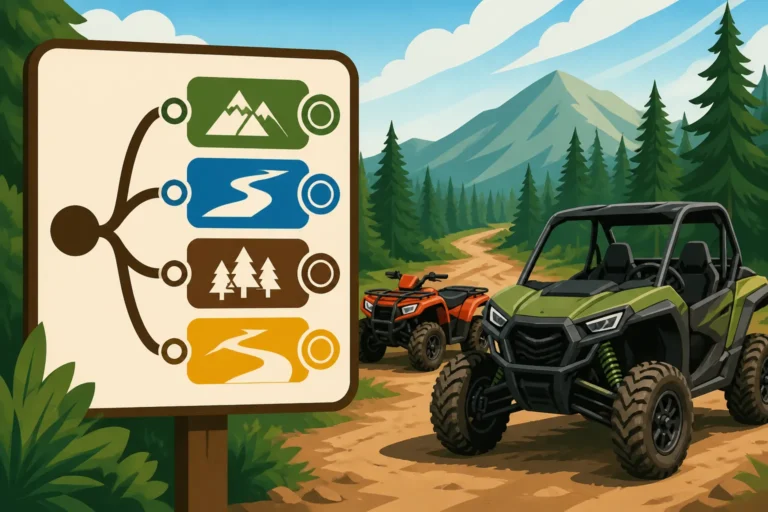
When you look at a map of Oregon's backcountry, you'll notice a labyrinth of roads. Many of these are under federal jurisdiction, primarily managed by the U.S. Forest Service (USFS) within National Forests, or the Bureau of Land Management (BLM) across their extensive land holdings. These federal agencies typically maintain a system of designated routes and roads for various uses, including off-highway vehicles. The key word here is "designated." Just because a road is on federal land doesn't automatically mean your ATV or UTV can be on it. Riders must always check specific forest or district motor vehicle use maps (MVUMs), which clearly mark which roads and trails are open to which types of vehicles. These maps are the ultimate authority for federal lands and often come with seasonal closures or specific restrictions.
Beyond federal lands, you have county roads. These are maintained by local county governments and can range from paved thoroughfares to primitive gravel or dirt tracks in rural areas. While some counties have taken steps to open certain roads to OHV use, often for agricultural access or to connect trail systems, this is far from universal. Many county roads, especially those that form part of the general public road system, are implicitly or explicitly closed to ATVs and UTVs because these vehicles do not meet the legal definition of "street-legal" under Oregon state law. It's crucial not to assume that a quiet gravel road is open just because it looks like a perfect riding surface. [Oregon Rules for Riding a County Gravel Road] outlines more specific details about this.
Understanding Private Timberland Access
Oregon's landscape also includes vast tracts of privately owned timberland, often intermingled with public lands. These lands are managed by various logging companies and private landowners. Access to these roads can be even more complex and often changes. Some timber companies permit public access for recreation during non-operational hours or seasons, while others maintain strict prohibitions, especially when active logging is underway. Gates are common, and "No Trespassing" signs should always be respected.
Riding on private timber roads without explicit permission is a form of trespassing and can lead to fines, your machine being impounded, or worse. Even if a gate appears open, it doesn't necessarily grant permission to enter. It's always best practice to research the specific land manager or company if you plan to traverse private timber property. Look for signs posted at access points, or check company websites for their public access policies. What appears to be a continuous road on a map might actually cross through multiple jurisdictions, requiring a shift in your understanding of what's legal.
The Evolving Landscape of Road Access
The rules governing ATV and UTV access on Oregon's roads aren't static; they evolve. New ordinances can be passed by county commissions, federal land managers can update their MVUMs, and state laws can change. This dynamic environment is precisely why staying informed is so critical for riders. For instance, in recent years, there have been discussions and actions at the state level regarding [Oregon's 2017 Road Access Change Explained], which clarified some aspects of ATV use on certain public roads.
However, these changes often come with strict limitations, such as restricting access to specific, designated routes rather than opening up entire road networks. It's easy to hear a headline about "more road access" and assume a blanket allowance, but the reality is usually much more nuanced. The collective effort of rider advocacy groups, local communities, and regulatory bodies continuously shapes what's permissible. This means that a road you rode last year might have different rules this year, making pre-ride research absolutely indispensable.
Matching Your Machine to Oregon's Road Rules
Oregon has a fairly clear system for classifying off-highway vehicles, and this classification is paramount when determining where your machine can legally go, especially concerning roads. It's not just about having an engine and wheels; it's about how the state legally defines your vehicle and what that means for its operation on various road types.
Oregon's ATV Class System and Its Road Implications
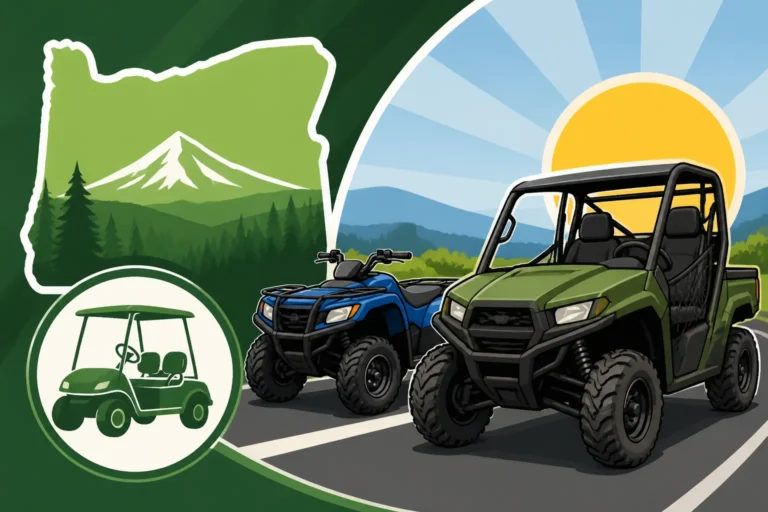
Oregon law divides off-highway vehicles into four distinct classes: Class I (quads/ATVs), Class II (larger, often street-legal vehicles like Jeeps or sand rails), Class III (off-road motorcycles), and Class IV (side-by-sides/UTVs). Each class has specific definitions based on width, weight, and seating. [Oregon's Four ATV Classes Explained] offers a detailed breakdown. For the most common off-highway vehicles—Class I ATVs (quads) and Class IV ATVs (side-by-sides)—the general rule of thumb is that they are not street-legal. This means they cannot be operated on public roads that are "open to the public and maintained for passenger cars."
This distinction is critical. Most forest roads and many county roads are maintained for passenger cars, even if they are gravel or dirt. Therefore, operating a typical Class I or Class IV machine on these roads is generally prohibited unless specifically designated otherwise. This includes popular performance accessories like those found at SuperATV, which might enhance off-road capability but don't magically confer street legality. The robust A-arms, lift kits, or heavy-duty axles from SuperATV make your machine fantastic for trails but don't change its classification for road use. The implication is clear: if you ride a standard quad or side-by-side on a road not explicitly designated for OHV use, you are likely breaking the law.
The Unique Case of Class II Machines and Street Legality
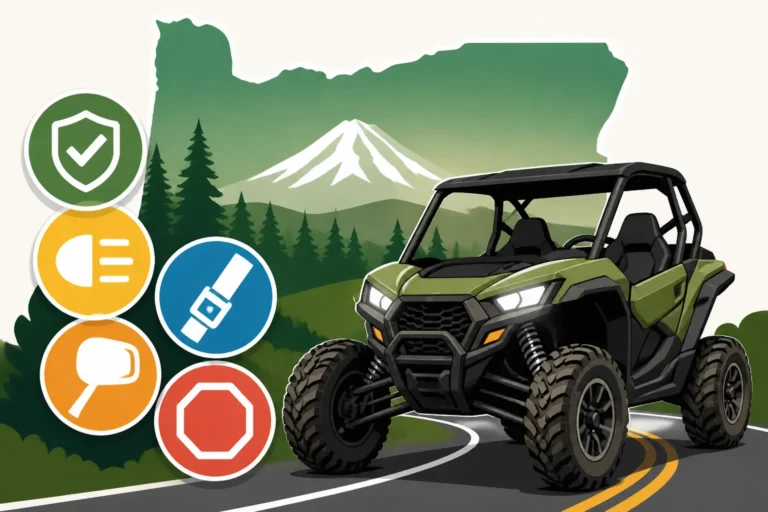
Now, here's where it gets a bit tricky and offers a glimmer of hope for some road access. Oregon's Class II ATVs are defined as "any motor vehicle that is not a Class I, III or IV all-terrain vehicle and that is designed for or capable of travel over unimproved terrain." This broad definition includes vehicles like Jeeps, Land Rovers, certain types of dune buggies, and specialized sand rails. The crucial difference is that Class II machines can be titled and registered for street use, just like a regular passenger car, provided they meet all applicable on-road safety equipment requirements (headlights, taillights, turn signals, mirrors, horn, windshield, seatbelts, etc.).
If your Class II machine is properly registered with the Oregon DMV and has a valid license plate, it can generally be operated on public roads, including forest and county roads, just like any other street-legal vehicle. This is a significant distinction that many OHV enthusiasts overlook. For example, a custom-built sand rail, outfitted with necessary lights and signals, can cruise down a paved county road to reach a staging area, while a standard Class I quad cannot. The requirements for getting a Class II machine plated can be extensive, but for those seeking broader road access, it's the only real pathway. [Oregon's Class II Under ORS 801.193] delves into this in more detail.
Why Most ATVs and UTVs Aren't Street Legal in Oregon
The fundamental reason most ATVs and UTVs (Class I, III, and IV) are not street legal in Oregon boils down to their design and purpose. They are built for off-highway terrain, not for coexisting safely with passenger cars on public roadways. This often means they lack features like proper automotive-grade lighting, turn signals, mirrors, DOT-approved tires, and crash-worthiness standards that passenger vehicles must meet. Many also exceed width or weight restrictions for certain road types or simply don't fit the legal definition of a "motor vehicle" for general road registration.
Oregon's law is quite clear: [Why Oregon Will Not Plate a Quad] explains that a typical quad is simply not designed to be roadworthy in the eyes of the DMV. While aftermarket kits exist to add lights and mirrors, these modifications do not make a Class I, III, or IV machine street legal in Oregon. They might make your side-by-side safer for crossing roads or riding on explicitly designated routes, but they don't change its fundamental classification or allow it on general public roads. It's a common misconception that simply adding a turn signal kit transforms a UTV into a street-legal vehicle, but unfortunately, Oregon law does not recognize it that way.
Essential Gear and Regulatory Requirements for Road Use
Even on the limited roads where ATVs and UTVs are permitted, or for quick crossings, there are specific legal and safety requirements that riders must adhere to. These aren't just suggestions; they are mandatory regulations enforced by law enforcement and park rangers. Ignoring them can lead to citations, fines, and even the end of your ride.
The Mandatory Oregon ATV Operating Permit
Before you even think about riding your ATV or UTV on any public land in Oregon—whether it's a designated trail, a dune, or one of the rare road segments open to OHVs—your machine must display a valid [Oregon's ATV Operating Permit]. This permit is essentially a registration sticker that signals your compliance with state OHV regulations and contributes to the funding of Oregon's off-road riding opportunities.
The permit decal must be affixed correctly to your machine (typically on the right-hand side for quads and off-road motorcycles, and a visible location for side-by-sides and sand rails) and be clearly visible. Riding without one, even on a forest road that permits OHV use, is a citable offense. The cost is uniform across all classes of OHVs and lasts for two years. This permit is distinct from any street registration a Class II machine might have; even a street-legal Class II vehicle still needs an OHV permit if it's going to be operated off-road or on designated OHV routes. Think of it as your machine's passport to Oregon's backcountry, ensuring you're contributing to the maintenance and management of the areas you love to explore.
Safety Education Cards and Helmet Requirements
Oregon takes rider safety seriously, especially for its younger enthusiasts. All riders, regardless of age, must carry an [Oregon ATV Safety Card Requirements] when operating an OHV on public lands. This card certifies that you've completed a state-approved safety education course. While an adult with a valid driver's license can operate a Class IV (side-by-side) without a safety card, this exemption does not apply to Class I (quads) or Class III (off-road motorcycles). For riders under 16, a safety card is mandatory for all classes of ATVs and UTVs, and they must also have direct supervision.
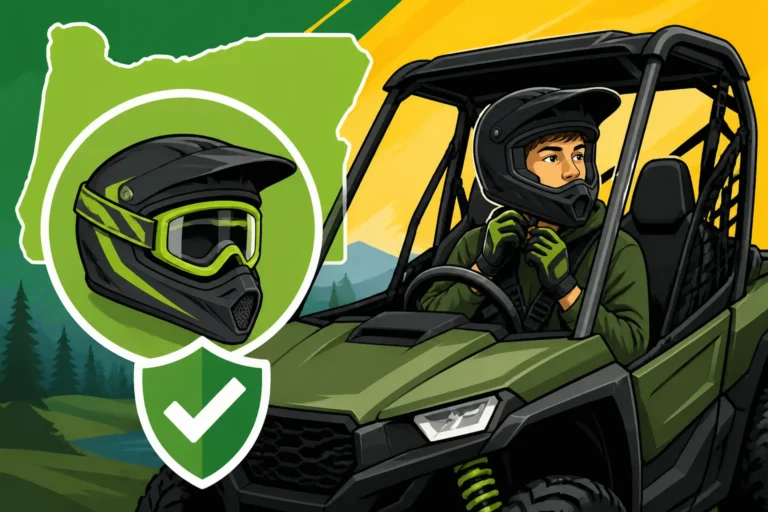
Helmets are another non-negotiable safety item. [Oregon Helmet Law for ATV Riders] dictates that anyone under 18 operating an ATV or UTV on public lands, including permitted roads, must wear a DOT-approved helmet with the chin strap fastened. While adults 18 and over are not legally required to wear a helmet when operating a Class IV ATV (side-by-side) that has a roof and roll bar, it is always a highly recommended safety practice. For Class I and Class III machines, helmets are generally mandatory for all riders on public lands. Remember, a helmet is your most important piece of safety gear, designed to protect you from impacts that can occur even at low speeds or on seemingly easy terrain.
Lighting, Spark Arresters, and Sound Limits on Roads
When riding on any public land in Oregon, including designated roads, your machine needs to meet certain technical requirements to ensure safety and minimize environmental impact. Proper lighting is essential, especially if there's any chance you might be out near dusk, dawn, or in low-visibility conditions like fog or rain. This includes functional headlights and taillights. [Oregon Rules for Night Riding on a Road] requires specific lighting configurations for any operation after dark.
Beyond visibility, environmental considerations are key. Every OHV operating in Oregon on public lands must be equipped with a U.S. Forest Service-approved spark arrester that is in good working condition. This device is designed to prevent sparks from escaping your exhaust and potentially starting a wildfire, a critical concern in Oregon's dry seasons. [Oregon Spark Arrester Requirement] is strictly enforced, and you'll often find rangers checking for them at staging areas. Similarly, Oregon has sound limits for OHVs. While specific decibel levels can vary, the general rule is to avoid excessively loud exhaust systems, especially aftermarket ones that may not meet legal limits. [Oregon Rules for an Aftermarket Exhaust] can lead to a citation if your machine is deemed too noisy, disturbing wildlife or other recreational users. These regulations are in place to ensure a sustainable and enjoyable experience for everyone, preserving Oregon's natural beauty for generations to come.
| Requirement | Class I (Quad) | Class II (Street-Legal) | Class III (Dirt Bike) | Class IV (Side-by-Side) |
|---|---|---|---|---|
| Operating Permit | Required | Required (if off-road) | Required | Required |
| Safety Card (16+) | Required | Not Required (if licensed) | Required | Not Required (if licensed & Class IV) |
| Safety Card (Under 16) | Required | Required | Required | Required |
| Helmet (Under 18) | Required | Required | Required | Required |
| Helmet (18+ in Cage) | Recommended | Recommended | Required | Recommended |
| Head/Taillights | Recommended/Req. | Required | Recommended/Req. | Recommended/Req. |
| Spark Arrester | Required | Required (if off-road) | Required | Required |
| Sound Limits | Enforced | Enforced | Enforced | Enforced |
| Street Legal (Plated) | No | Yes (with modifications) | No | No |
Unpacking Oregon's Designated ATV Highway Access Routes
Given that most ATVs and UTVs are generally prohibited on public roads, the concept of "ATV Highway Access Routes" often sparks a lot of interest. These are specific, limited exceptions where local jurisdictions, in cooperation with state agencies, have designated certain public roads for legal OHV use to connect trail systems or provide access to amenities. It's crucial to understand these are not widespread, open invitations to ride just anywhere; they are precisely defined corridors.
Lakeside and Sumpter: Oregon's Only Exceptions
As of now, Oregon has only two officially designated ATV Highway Access Routes: one in Lakeside on the Oregon Coast and another in Sumpter in Eastern Oregon. These routes are the result of specific local ordinances and state approvals, designed to allow OHV riders to legally traverse short sections of public road to access the Oregon Dunes National Recreation Area or other trail systems, or to visit local businesses. [Lakeside and Sumpter: Oregon's Only Two Routes] are unique cases, and their existence does not imply similar access elsewhere in the state.
In Lakeside, for example, the route allows riders to travel from staging areas to the dunes, and even into town for fuel or food, on specific low-speed roads. In Sumpter, the route connects riders to vast networks of trails in the surrounding Wallowa-Whitman National Forest. These routes are typically well-marked with signs indicating where OHV use is permitted and what restrictions apply, such as speed limits or hours of operation. It's imperative that riders stay strictly within the marked boundaries of these routes. Veering off a designated route onto an undesignated road can quickly lead to a citation, negating the very purpose of having these access points.
The Application Process for New Routes
Many communities and rider groups across Oregon dream of having their own designated ATV highway access routes, but the process for establishing one is rigorous and complex. It typically involves local government (county or city) initiating the process, demonstrating community support, conducting traffic studies, and ensuring the proposed route meets a host of safety and logistical criteria. The proposal then goes through a review by the Oregon Transportation Commission, often involving public hearings and input from various stakeholders, including law enforcement, residents, and environmental groups.
This multi-layered approval process ensures that any new route is safe, minimizes conflicts with other road users, and addresses local concerns. It's not a quick fix or an easy win. The rarity of such routes underscores the challenges involved, including securing funding for signage, enforcement, and ongoing maintenance. Riders who wish to see more routes established should engage with their local communities and advocate through official channels, understanding the extensive work required. They might also demonstrate the value of such access, for instance, by supporting local businesses in towns like Lakeside that benefit from the designated routes.
Riding within Designated Route Boundaries
When you're fortunate enough to ride on a designated ATV Highway Access Route, it's crucial to understand that you are sharing the road with regular vehicle traffic. This means adhering to all standard traffic laws, including speed limits, stop signs, and yielding rules. While your ATV or UTV might not be a "car," on these routes, you are a vehicle operating in traffic.
Beyond general traffic laws, specific rules often apply to designated routes. These might include:
- Speed Restrictions: Often lower than typical road speeds.
- Operating Hours: Some routes may have curfews or be closed during certain times.
- Helmet Requirements: Depending on the class of vehicle and age of the rider, helmets might be mandatory even for adults in side-by-sides. [Oregon Helmet Law for Adults] outlines the nuances.
- Passenger Rules: Ensuring all passengers are safely seated and have proper footrests if on a quad.
- Staying on Pavement/Gravel: Riders must not leave the designated road surface.
- Visibility: Ensuring your machine is highly visible, potentially with flags or bright clothing, especially on paved sections.
Even with aftermarket accessories from companies like SuperATV that enhance visibility or provide improved protection, you are still bound by the rules of the road. Riding on these routes requires a higher level of vigilance and respect for all other road users. It’s an opportunity that can be easily lost if riders fail to follow the rules, leading to the potential closure of these valuable access points.
Responsible Riding and Road Safety Practices
Even when legally riding on open forest or county roads, the experience is vastly different from trail riding. These aren't just private playgrounds; they are shared thoroughfares with unique hazards and responsibilities. Embracing responsible riding practices is paramount to ensure your safety, the safety of others, and the continued privilege of access.
Sharing the Road with Other Users
Forest and county roads are multi-use corridors. You'll encounter a diverse array of other users: passenger vehicles, RVs, logging trucks, hikers, cyclists, equestrians, and wildlife watchers. Each has a right to be there, and it's your responsibility as an OHV rider to be considerate and safe. The dust stirred up by an ATV, the noise of an exhaust, or simply the presence of an unfamiliar vehicle can be startling or annoying to others.
When approaching other vehicles, slow down, move to the right-hand side of the road, and be prepared to stop. For logging trucks or other heavy equipment, give them ample space; they often have blind spots and require more room to maneuver. When passing hikers, cyclists, or equestrians, reduce your speed to a crawl, give them a wide berth, and consider shutting off your engine if necessary, especially around horses, which can be easily spooked. A friendly wave and a courteous attitude go a long way in fostering positive relations between different user groups. Remember, positive interactions are key to maintaining good relationships and access.
Navigating Active Logging and Industrial Traffic
One of the most significant hazards on many forest and county roads is active logging and industrial traffic. These roads are not always recreational by nature; they are working roads. You could encounter massive log trucks, heavy machinery, and other industrial vehicles, often traveling at high speeds or making wide turns. These vehicles are generally much larger, heavier, and less maneuverable than your ATV or UTV.
Always be alert for signs indicating active logging operations, which might include "Log Trucks Ahead," "Active Haul," or "Road Closed Weekdays." If you encounter an active operation, proceed with extreme caution, or, ideally, choose an alternative route. When meeting a log truck, pull completely off the road if possible, especially on blind corners. The drivers of these vehicles are often on tight schedules, and their priority is safety and efficiency. Your small OHV might not be easily seen, especially at dust-filled intersections or around sharp bends. Investing in a bright flag and powerful lights for your machine, perhaps from a brand like SuperATV known for its robust accessories, can increase your visibility significantly in these conditions. Being aware of peak operational times (usually weekdays during daylight hours) can help you plan your rides to avoid heavy traffic.
Preparing for Remote Road Conditions
Many forest and county roads, particularly those less traveled, can be quite remote and unmaintained. This means you might encounter washouts, fallen trees, deep potholes, loose gravel, mud, or even snow, depending on the season and elevation. Being prepared for these variable conditions is essential for a safe and enjoyable ride. Always carry a spare tire or a tire repair kit, especially if you're venturing far from a paved road. Basic tools, a first-aid kit, extra fuel, and plenty of water are also non-negotiable.
Cell service can be spotty or non-existent in many remote areas of Oregon, so don't rely on your phone for navigation or emergencies. A physical map and compass, or a reliable GPS device, are critical. Inform someone of your route and estimated return time. Weather conditions can change rapidly in Oregon, especially in the mountains or along the coast, so always pack layers and rain gear. Knowing basic recovery techniques, like how to winch yourself out of a sticky situation, or at least having recovery straps, can prevent a minor mishap from becoming a major problem in a remote location.
What Happens When You Break the Rules: Enforcement and Fines
It's easy to assume that in the vastness of Oregon's backcountry, you might go unnoticed if you bend the rules a little. However, that's a dangerous assumption. Law enforcement and agency rangers actively patrol these areas, and they are well-versed in Oregon's OHV laws. Ignorance of the law is never an excuse, and violations can lead to significant consequences that can quickly ruin your adventure.
Roadside Stops and Ranger Checks
Whether you're riding in a national forest, across BLM land, or on a county road, you can expect to encounter law enforcement or rangers from the Oregon Parks and Recreation Department (OPRD) who are specifically tasked with enforcing OHV regulations. These roadside stops and checks are common, especially in areas known for recreational use, like [Decal Checks at Spinreel] or [Decal Checks at Browns Camp]. Rangers will typically check for your Oregon ATV Operating Permit decal, your safety education card, helmet compliance (especially for youth), and the presence of a spark arrester.
They might also inquire about your route, ensuring you are on a designated or legal pathway. If your machine is emitting excessive noise, they may conduct a sound test. Being polite and cooperative during these stops is always the best approach. Having all your required documents readily accessible, such as your permit card and safety card, can expedite the process. Trying to evade a stop, or becoming confrontational, will only escalate the situation and lead to more severe penalties. They are there to ensure everyone's safety and protect the resource, and your compliance helps them do their job effectively.
Common Violations and Associated Penalties
Riding your ATV or UTV on a road where it is not legally permitted is a serious violation in Oregon, often categorized as a Class C traffic violation. [Oregon's Class C Traffic Violation for No Permit] illustrates the severity, even if that specific citation applies to the permit. Riding an unpermitted road is a separate offense. The specific fines can vary, but they are generally substantial and can easily run into hundreds of dollars. Beyond the financial penalty, other consequences include:
- Machine Impoundment: In some cases, law enforcement has the authority to impound your vehicle, which means additional towing and storage fees before you can retrieve it.
- Loss of Riding Privileges: Repeated or severe violations could lead to a suspension of your OHV operating privileges.
- Safety Card Suspension: If the violation involves a safety infraction, your safety education card could be suspended.
- Criminal Charges: Depending on the nature of the violation (e.g., reckless endangerment, destruction of property), you could face criminal charges beyond traffic infractions.
It's not just about "no permit." Operating on a closed road, riding off-trail, or trespassing on private land also carry significant penalties. For example, [Oregon Fines for Riding an Unopened Road] can be steep, reflecting the importance of respecting closures and designations. A single citation can quickly turn a fun day of riding into a very expensive and frustrating ordeal.
Fighting a Citation for Road Use Violations
If you receive a citation for an OHV road use violation, you generally have a few options: pay the fine, or contest it in court. If you believe the citation was issued in error, or if you have a valid defense, you have the right to challenge it. However, success often depends on having a thorough understanding of the specific law you are accused of violating and being able to present clear evidence.
For instance, if you were riding on a road you genuinely believed was open, you might need to present official maps, land manager statements, or other documentation to support your claim. Keep in mind that "I didn't know" is rarely a successful defense. Always document the scene: take photos of signage (or lack thereof), GPS coordinates, and any other relevant details. Consulting with an attorney specializing in traffic or recreational law can be beneficial, especially for more serious infractions. The best way to avoid fighting a citation, of course, is to meticulously plan your rides, understand the rules, and always err on the side of caution.
Planning Your Oregon Off-Highway Road Adventure
Embarking on an off-highway adventure in Oregon requires more than just gassing up your machine. Thoughtful planning and preparation are essential to ensure a safe, legal, and enjoyable experience, especially when navigating the complex rules surrounding road use.
Utilizing Maps and Checking Closures
Before you even load your ATV or UTV onto the trailer, your first step should always be to consult current maps and check for any closures or restrictions. For federal lands (National Forests and BLM), the most authoritative source is the Motor Vehicle Use Map (MVUM). These maps are specific to each forest or district and delineate which roads and trails are open to specific vehicle types. They are usually available for free at ranger stations, or downloadable online. Don't rely on outdated maps or general purpose mapping apps, as these might not reflect current OHV designations or temporary closures.
For county roads, check the county's public works or sheriff's department websites for any local ordinances regarding OHV use. Additionally, always check for fire restrictions, weather-related closures (like snow or flooding), or active logging operations. Websites for the Oregon Department of Forestry (ODF), US Forest Service, and BLM often have up-to-the-minute information on closures. [Oregon Rules for Riding a Forest Road] are particularly useful here. A quick call to the local ranger station for your intended riding area can also save you a lot of trouble. They often have the most current, localized information.
Seasonal Considerations and Weather Impacts
Oregon's diverse geography means that riding conditions and road access can vary dramatically by season and region. What's open and passable in one season might be completely inaccessible or illegal in another.
- Winter: Many high-elevation forest roads and trails close due to snow. Even lower-elevation roads can become muddy, washed out, or icy. Always check conditions. While some areas, like the Oregon Dunes, are open year-round, cold temperatures and heavy rain can make for a less enjoyable experience.
- Spring: As snow melts, many roads can be extremely muddy, soft, and prone to damage, leading to temporary closures to prevent resource degradation. Water crossings might be deeper and faster.
- Summer: This is peak riding season, but it also brings the highest risk of wildfires. [Oregon Fire Season and Trail Access] are a major concern, and fire restrictions can lead to sudden and widespread closures of forest lands. Always carry a spark arrester and be extremely careful with anything that could cause a spark. Dust can also be a significant issue, reducing visibility and coating everything.
- Fall: Generally excellent riding weather, with cooler temperatures and fewer crowds. However, rain can quickly turn dusty roads into slick, muddy tracks, especially in the Coast Range. Be aware of hunting seasons, as roads might be shared with hunters accessing their grounds.
Always dress in layers, bring appropriate gear for potential weather changes, and understand that even a beautiful sunny morning can turn into a cold, wet afternoon in Oregon's unpredictable climate.
Essential Items for Your Road Riding Kit
Beyond your machine and its required permits and safety gear, a well-stocked kit is crucial for any backcountry road adventure, especially if you're venturing into remote areas. Think of it as your portable problem-solving arsenal.
Here's a list of essentials, with a few nods to how SuperATV's products can enhance your preparedness:
- Navigation: Physical maps (MVUMs, forest maps) and a compass, or a reliable GPS device. Don't rely solely on your phone.
- Communication: A satellite messenger or two-way radio for areas without cell service.
- First-Aid Kit: Comprehensive, suitable for trauma and minor injuries.
- Water & Food: Plenty of hydration and high-energy snacks.
- Tools: Basic tool kit for on-the-spot repairs, tire plug kit, small air compressor. SuperATV's line of trail accessories often includes robust storage solutions for such items.
- Recovery Gear: Winch (many SuperATV bumpers are winch-ready), recovery straps, shovel.
- Lighting: Extra headlamp or flashlight, and ensure your machine's lights are in good working order for potential low-light conditions. [Oregon Rules for Night Riding on a Road] are critical to follow.
- Weather Protection: Rain gear, warm layers, emergency blanket.
- Fire Safety: Small shovel, fire extinguisher (especially during fire season).
- Emergency Contact Info: Written down, in case your phone is lost or damaged.
- Permit and Safety Card: Always carry your physical [Oregon's ATV Operating Permit] card and [Oregon ATV Safety Card Requirements] with you.
Having these items readily available can make the difference between a minor inconvenience and a serious emergency, allowing you to confidently tackle the varied conditions and regulations of Oregon's roads.
Disclaimer
This article is for general informational purposes only and does not constitute professional advice. Laws, prices and regulations vary by location and change over time. Consult a qualified professional for guidance on your specific situation.