Who Sits on Oregon’s OHV Advisory Committee
Navigating the world of off-highway vehicle (OHV) riding in Oregon can sometimes feel like trying to solve a puzzle with missing pieces. You want to enjoy the incredible trails and dunes our state offers, but understanding who makes the decisions, how those decisions are made, and where your permit fees actually go can be a real head-scratcher. This guide aims to pull back the curtain on the Oregon OHV Advisory Committee, shedding light on its vital role in shaping the riding landscape for all of us.
Understanding the Oregon OHV Advisory Committee's Purpose
When you hit the trails in Oregon, whether it's the legendary dunes or the dense forests of the Coast Range, you're experiencing a system that's been carefully developed and maintained. At the heart of this system, working behind the scenes, is the Oregon OHV Advisory Committee. This isn't just a group of folks having coffee; it's a dedicated body formed to ensure that the interests of the OHV community are represented and that our recreational opportunities are both sustainable and enjoyable.
Why the Committee Exists: A Voice for Riders and Stewards
Imagine a state where decisions about trail access, safety, and funding were made without any input from the people who actually ride. It would be a mess! That's precisely why the OHV Advisory Committee exists: to provide a crucial bridge between the riding public and the state agencies responsible for managing these lands. They act as a formal voice, channeling feedback, concerns, and innovative ideas directly to the Oregon Parks and Recreation Department (OPRD). This ensures that policies and programs reflect the real-world needs and desires of ATV, UTV, and dirt bike enthusiasts. Without this structured dialogue, the diverse needs of different rider groups – from the adrenaline-junkie motocross racer to the family enjoying a leisurely side-by-side trip – could easily be overlooked.
Beyond advocating for riders, the committee also plays a significant role in promoting responsible stewardship of our natural resources. They understand that continued access to our beloved riding areas depends heavily on protecting the environment. This often means advising on trail maintenance, erosion control, and wildlife habitat protection, balancing the thrill of the ride with the responsibility to preserve these landscapes for future generations.
The Oregon Parks and Recreation Department's Connection
The Oregon OHV Advisory Committee operates under the umbrella of the Oregon Parks and Recreation Department (OPRD), specifically advising the State Parks and Recreation Commission. Think of OPRD as the primary manager of many of Oregon's recreational assets, including a substantial portion of our OHV riding areas. The committee doesn't issue permits or close trails directly; rather, its power comes from its direct line to the decision-makers within OPRD. This connection is vital because OPRD is the agency that oversees the [Oregon ATV Operating Permit] program, manages the collected funds, and implements the various OHV programs across the state.
The committee reviews OPRD's proposals, offers recommendations, and provides critical insights that only those deeply embedded in the OHV community can offer. For instance, when OPRD considers a new trail development or a change in management for a popular riding area, the committee's perspective is invaluable. They help ensure that OPRD's plans are practical, well-received by the riding public, and align with the overall goals of providing quality OHV recreation. This collaborative relationship is fundamental to how OHV recreation is planned and executed in Oregon.
Distinguishing Advisory from Regulatory Roles
It’s easy to misunderstand the committee's exact function. While they hold significant influence, it’s important to remember that the OHV Advisory Committee is, as its name suggests, advisory. They do not have the direct power to enact laws, issue regulations, or make final decisions on land use. That authority rests with the Oregon Parks and Recreation Commission and other state and federal land management agencies. The committee's role is to research, discuss, and then formally recommend courses of action to these regulatory bodies.
For example, if the committee identifies a need for new safety guidelines or wants to see a particular area opened for OHV use, they will gather information, consult with stakeholders, and then present a well-reasoned recommendation to OPRD. It's up to OPRD and the Commission to then consider and potentially adopt those recommendations. This distinction is crucial; while the committee is a powerful advocate and an essential filter for ideas, it doesn't wield legislative or executive power itself. They serve as the trusted experts and representatives of the OHV community, guiding the hands of those who do have regulatory authority, which ultimately impacts things like [Oregon's ATV Operating Permit] and [Where Oregon ATV Permit Money Goes].
Deconstructing the Committee's Membership
A committee is only as effective as the people who sit on it. The Oregon OHV Advisory Committee is carefully structured to include a diverse array of individuals who bring different experiences, perspectives, and expertise to the table. This isn't just about ticking boxes; it's about ensuring that decisions reflect the complex reality of OHV use across our vast state.
Who Sits at the Table: Representing Diverse Interests
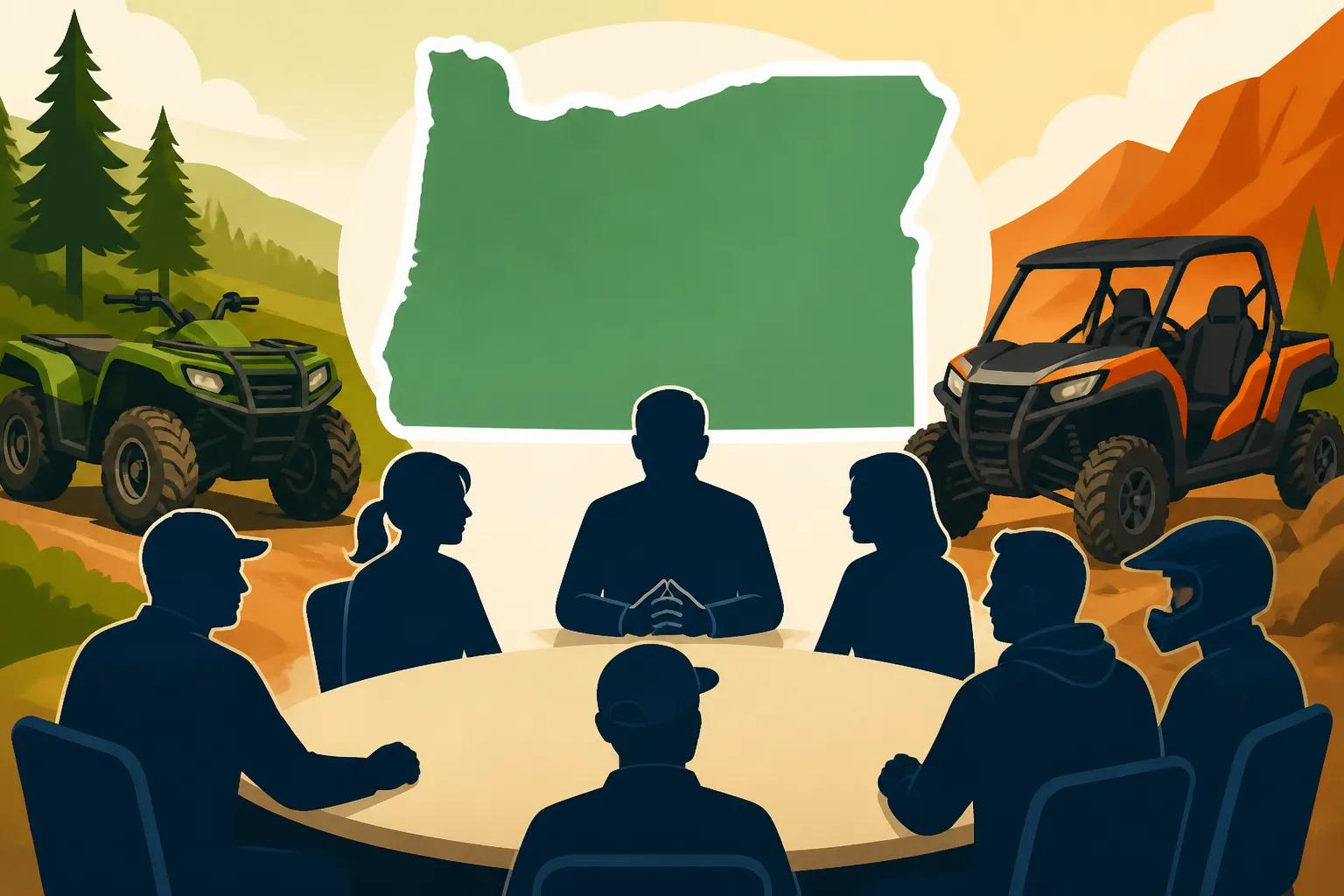
The committee is designed to be a microcosm of the entire OHV community and its related stakeholders. Members typically come from various backgrounds, representing different facets of OHV recreation. You'll often find representatives from various user groups – those who ride [Oregon's Class I Under ORS 801.190] ATVs, those with [Oregon's Class IV Side-by-Sides Under 75 Inches] (which companies like SuperATV equip with fantastic accessories), and even riders of [Class III Off-Road Motorcycles in Oregon]. This ensures that the specific needs and challenges faced by each type of rider are heard and understood.
Beyond just the different machine types, the committee strives for geographic diversity, with members from coastal areas, eastern Oregon's high desert, and the Willamette Valley. This way, issues pertinent to the unique terrain and local communities, such as those near the [Oregon Dunes National Recreation Area] or [Millican Valley Outside Bend, Oregon], are adequately addressed. Sometimes, members also represent broader interests such as environmental conservation, local business, or law enforcement, ensuring a holistic perspective on OHV-related matters.
The Specific Qualifications and Backgrounds
Becoming a member of the OHV Advisory Committee isn't just about owning an ATV. While a passion for OHV recreation is certainly a prerequisite, successful candidates bring a wealth of practical experience and knowledge. Many members have a long history of involvement with OHV clubs, volunteer organizations, or advocacy groups. They understand the intricacies of trail maintenance, the challenges of funding, and the nuances of working with various land management agencies.
For instance, you might find a committee member who has spent years volunteering on trail building projects in the Tillamook State Forest, or someone with a background in business management who understands the economic impact of OHV tourism on rural communities. There could be individuals with expertise in environmental science, helping to navigate delicate ecological issues, or even seasoned mechanics who understand the technical aspects of different machines, including the popular side-by-sides that SuperATV helps outfit. This blend of hands-on experience, technical knowledge, and organizational skills is what makes the committee so effective in its advisory capacity.
Balancing Perspectives: Recreational Users, Land Managers, and Industry
One of the most critical aspects of the committee's composition is its commitment to balancing diverse perspectives. It’s not just a "rider-only" club. While recreational users form a significant part of the membership, representatives from state and federal land management agencies, though not voting members, often participate to provide direct input on their operations and constraints. This direct line of communication helps ensure that recommendations are not just desirable but also feasible from an administrative and resource management standpoint.
Moreover, there might be individuals with connections to the OHV industry – dealers, manufacturers, or aftermarket accessory providers. While this is not a commercial committee, understanding the industry's trends, technological advancements (like those for which SuperATV is known), and economic contributions can be invaluable. This multi-faceted representation creates a robust platform for discussion and negotiation, leading to recommendations that are well-rounded and consider the broader ecosystem surrounding OHV recreation in Oregon. This structure ensures that different viewpoints are heard and integrated, fostering collaboration rather than conflict, a critical element when discussing complex topics like [Oregon Rules for Riding a Forest Road] or [Oregon ATV Permit Cost].
The Path to Appointment: Becoming a Committee Member
So, how does one become part of this influential group? It's not a secret handshake or an exclusive club. The process for appointment to the Oregon OHV Advisory Committee is designed to be transparent and accessible, though it does require a genuine commitment and passion for the OHV community.
The Application and Selection Process
Appointments to the OHV Advisory Committee are generally made by the Director of the Oregon Parks and Recreation Department, often with input from the State Parks and Recreation Commission. When a vacancy arises, OPRD typically publicizes the opening, often through their website, newsletters, and various OHV organizations and clubs. They'll issue a call for applications, seeking individuals who can bring valuable insights and experience to the committee.
The application process usually involves submitting a resume or CV, a letter of interest explaining your qualifications and why you want to serve, and sometimes references. OPRD staff and possibly current committee members will review these applications carefully, looking for a mix of qualifications such as direct OHV experience (whether you ride a quad, a dirt bike, or a SuperATV-enhanced side-by-side), involvement in relevant organizations, professional expertise, and a demonstrated ability to work collaboratively. Interviews may be conducted for shortlisted candidates to assess their communication skills and understanding of the committee's mission. The goal is always to create a balanced committee that reflects the diversity of the OHV community.
Term Lengths and Commitment Expected
Serving on the OHV Advisory Committee is not a one-time meeting; it's a commitment that typically spans several years. Members are usually appointed for fixed terms, often around three or four years, though this can vary. The intention behind fixed terms is to ensure continuity while also allowing for fresh perspectives and new blood to join the committee over time. Reappointments are sometimes possible, especially for members who have been particularly effective and are willing to continue their service.
The commitment isn't just about showing up for meetings. Committee members are expected to prepare for meetings by reviewing extensive materials, including budgets, project proposals, and policy documents. They might also be asked to participate in site visits, attend public hearings, or represent the committee at various OHV events. It's a role that requires dedication, time, and a genuine desire to contribute to the betterment of OHV recreation in Oregon. Balancing these responsibilities with personal and professional lives can be challenging, but the impact of their work makes it a rewarding endeavor for those passionate about the cause.
Public Involvement and Transparency in Appointments
Maintaining public trust and ensuring that the committee truly represents the interests of Oregonians is paramount. This is why the process for appointing members is designed to be as transparent as possible. The calls for applications are openly announced, and the criteria for selection are generally clear. While the final decision rests with the OPRD Director, the process encourages broad participation and seeks to avoid any perception of favoritism or undue influence.
Furthermore, the committee's meetings themselves are generally open to the public, and agendas and minutes are typically made available online. This allows interested members of the OHV community to stay informed about the committee's discussions and decisions. Public comments are often solicited during meetings, providing another avenue for riders and other stakeholders to voice their opinions directly to the committee. This commitment to transparency ensures that the committee remains accountable to the community it serves, fostering confidence in its recommendations regarding everything from [Where Oregon Sells ATV Permits] to the strategic use of grant funds.
The Committee in Action: Responsibilities and Decision-Making
Once appointed, committee members roll up their sleeves and get to work. Their responsibilities are far-reaching, directly influencing how OHV recreation is managed and funded across Oregon. It's where the rubber meets the road, so to speak, converting passion into tangible outcomes for riders.
Advising on Policy and Program Development
One of the committee's core responsibilities is to advise OPRD on the development of policies and programs that affect OHV recreation. This can involve anything from reviewing proposed changes to existing rules, like those governing [Oregon's Four ATV Classes Explained], to suggesting entirely new initiatives. For example, if there's a growing need for specific types of riding opportunities, say for wider side-by-sides, the committee might recommend exploring new designated routes or modifying existing ones. They often evaluate the feasibility and potential impact of these policies, considering everything from environmental concerns to rider safety and the economic implications for local communities.
Their input is particularly valuable when drafting comprehensive OHV management plans for specific areas, such as the Oregon Dunes or the Tillamook State Forest. They help ensure that these plans are not just theoretical documents but practical guides that genuinely enhance the riding experience while protecting the natural environment. Their detailed understanding of rider behavior, machine capabilities (including modifications from companies like SuperATV), and preferred terrain helps OPRD craft policies that resonate with the OHV community.
Guiding the Allocation of OHV Funds
Perhaps one of the most impactful roles of the OHV Advisory Committee is its involvement in guiding the allocation of funds generated through permit sales and other sources. All those permit fees you pay, like for your [Oregon ATV Permit for a Side-by-Side] or [Oregon ATV Permit for a Dirt Bike], contribute to a dedicated fund. The committee plays a crucial role in advising OPRD on how these funds should be prioritized and spent. This includes reviewing grant applications for trail maintenance, development projects, safety education programs, and law enforcement efforts.
They meticulously examine proposals, weighing their potential benefits, costs, and alignment with the overall goals of the state's OHV program. For instance, they might review a proposal for a new staging area or a project to improve signage on a popular trail system. This oversight ensures that the money collected from riders is invested wisely and effectively, directly benefiting the OHV community and maintaining the quality of our riding areas. Their expertise helps determine [What the Oregon ATV Grant Program Funds] and ensures accountability in how these vital resources are managed.
Addressing Rider Concerns and Safety Initiatives
The committee also serves as a crucial forum for addressing rider concerns and championing safety initiatives. They hear feedback from the community – whether it's about overcrowded trails, inadequate signage, or concerns about conflicts with other user groups. They take these concerns seriously, discussing potential solutions and advising OPRD on how to respond.
Safety is always a top priority. The committee often reviews accident data, assesses the effectiveness of existing safety programs, and recommends new approaches to promote safe riding practices. This might involve advocating for increased availability of [Oregon's ATV Safety Education Card] courses, suggesting improvements to trail design to reduce hazards, or promoting the use of appropriate safety gear, such as helmets and protective clothing. Their work in this area is vital for ensuring that Oregon's OHV trails remain enjoyable and as safe as possible for everyone, from novice riders to seasoned veterans.
The Committee's Enduring Impact on Oregon's OHV Future
The work of the Oregon OHV Advisory Committee isn't just about managing the present; it's about shaping the future of OHV recreation in our state. Their recommendations and guidance have long-term consequences, influencing everything from where you can ride to how our natural resources are protected.
Shaping Trail Access and Designated Routes
One of the most direct and tangible impacts of the committee's work is on trail access and the designation of new riding routes. Historically, gaining or maintaining access to public lands for OHV use has been a significant challenge, involving complex negotiations with various land managers and often facing opposition from other interest groups. The committee's consistent advocacy and informed recommendations are vital in these processes. They help identify potential new riding areas, assess the suitability of existing trails for different machine types (like the specific requirements for [Oregon's Class I Versus Class IV] machines), and guide the formal designation of routes, such as the unique [Oregon's Only Two Designated ATV Routes: Lakeside and Sumpter].
Without the committee's diligence, it would be far more difficult to expand or even preserve our current network of trails and open riding areas. They provide the expertise and community voice needed to navigate the bureaucratic hurdles and ensure that OHV recreation remains a vibrant part of Oregon's outdoor offerings. Their work directly affects whether you have a place to take your new rig equipped with SuperATV parts for its maiden voyage.
Influencing Education and Enforcement Efforts
Beyond physical trails, the committee plays a significant role in influencing the "softer" aspects of OHV management: education and enforcement. They understand that responsible riding is crucial for continued access and positive public perception. Therefore, they often advise on the content and delivery of safety education programs, ensuring they are effective and reach the widest possible audience. This includes promoting the [Oregon ATV Safety Card Requirements] and helping to develop materials that teach riders about environmental stewardship and ethical trail use.
In terms of enforcement, the committee works with OPRD and other law enforcement agencies to ensure that rules are clear, enforcement is consistent, and penalties are appropriate. They might recommend strategies to address issues like illegal riding, excessive speed, or violations of sound limits, aiming to strike a balance between allowing enjoyable recreation and maintaining order and safety on the trails. This collaboration helps reduce negative impacts and fosters a more respectful and sustainable riding environment for everyone.
Adapting to New Technologies and Riding Trends
The world of OHV recreation is constantly evolving. New machine types emerge, technology advances, and rider preferences shift. The OHV Advisory Committee is crucial in helping Oregon adapt to these changes. For instance, the rise in popularity of larger, more powerful side-by-sides has presented new challenges and opportunities for trail design and management. The committee helps OPRD understand these trends, anticipate future needs, and plan accordingly.
| OHV Machine Class (Oregon) | Key Characteristics (Examples) | Typical Rider Demographics | Committee Focus Considerations |
|---|---|---|---|
| Class I (Quads) | Under 50" wide, straddle seat | Sport riders, families | Trail width, erosion, speed |
| Class II (Jeeps, Buggies) | Over 75" wide, steering wheel | Dune buggies, street-legal | Road access, insurance, speed |
| Class III (Motorcycles) | Dirt bikes, trials bikes | Singletrack riders, racers | Singletrack trails, sound |
| Class IV (Side-by-Sides) | Bench seat, steering wheel | Families, utility users | Width limits, dust, group size |
(Note: These are general characteristics and considerations; always check [Oregon's Four ATV Classes Explained] for exact definitions.)
Whether it's discussing the implications of electric OHVs, advising on appropriate aftermarket modifications (like those from SuperATV), or considering the impact of new user groups, the committee provides forward-thinking guidance. They help ensure that Oregon's OHV program remains relevant, responsive, and prepared for the future, ensuring that the passion for off-highway adventure continues to thrive for generations to come.
Disclaimer
This article is for general informational purposes only and does not constitute professional advice. Laws, prices and regulations vary by location and change over time. Consult a qualified professional for guidance on your specific situation.