Crossing a Highway on an Oregon ATV
You’ve just been having the absolute time of your life on a fantastic trail, the dirt flying, the engine purring, and the scenery breathtaking. Then, abruptly, you hit it: a paved state highway, cutting right through your path, separating you from the rest of the adventure. It’s a moment that can make any off-road enthusiast’s heart sink, filled with confusion and that nagging question: "Can I even cross this thing?" This guide is here to clear up that very real frustration, diving deep into Oregon’s specific rules for crossing highways on your ATV or UTV, ensuring you stay legal, safe, and can get back to the good stuff.
The Oregon Landscape of OHV Riding and Roads
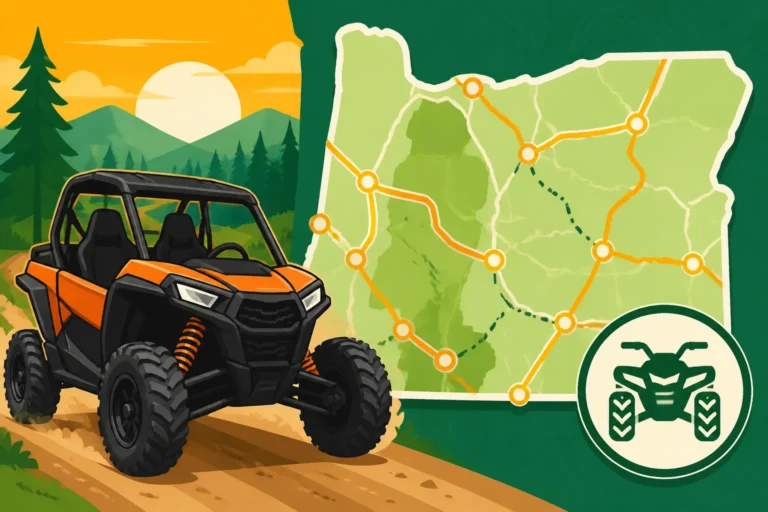
Oregon is an absolute playground for off-highway vehicle (OHV) enthusiasts, boasting everything from the iconic coastal dunes to the dense, verdant forests of the Coast Range and the high desert landscapes east of the Cascades. We’re incredibly lucky to have such diverse terrain to explore. But with this diversity often comes a practical challenge: public roads, including state highways, frequently intersect the very trail systems we love. It's a common scenario that can bring your ride to a screeching, uncertain halt.
The Inevitable Paved Road Encounter
Picture this: you're tearing it up at Millican Valley, far out past Bend, and suddenly a Forest Service road you're on turns to asphalt, or you come to a main arterial that connects two sections of prime riding land. Or maybe you're at the Oregon Dunes, needing to move from one staging area to another, and a segment of U.S. 101 lies between them. These aren’t isolated incidents; they’re a fundamental part of navigating Oregon's sprawling and often fragmented OHV landscape.
It’s frustrating because you’ve invested in your machine, your [Oregon ATV Permit Cost], and your safety gear, all to enjoy the freedom of off-road riding. To then be blocked by a stretch of pavement feels counterintuitive, almost like an obstacle course designed to trip you up. But these roads serve other purposes, connecting towns and enabling commerce, and our OHVs, while incredibly fun, aren't always designed to share those spaces. Understanding how to legally and safely interact with these roads is paramount to continuing your adventure without hassle or penalty.
Many of our most beloved OHV areas, whether it's the winding trails of Tillamook State Forest or the expansive terrain of Christmas Valley, aren't just one seamless block of land. They're often stitched together by a network of public and private roads, and sometimes, those threads are paved. This means that a little bit of planning and knowledge about road crossings can save you a lot of headache and ensure you don't accidentally stray into illegal territory, potentially incurring [Oregon Fines for Riding Without a Permit] or worse.
Why Street-Legal Status is Often Elusive for OHVs
One of the biggest sources of confusion for riders is the difference between a quick road crossing and a full-blown "street-legal" status. In Oregon, the vast majority of ATVs and UTVs are not street-legal. They lack the necessary equipment like turn signals, headlights, taillights, brake lights, horns, mirrors, and often the proper emissions certifications to be driven on public roads like cars. This distinction is crucial, as it fundamentally changes how you can interact with paved highways.
There are some very specific and limited exceptions, primarily for certain Class II All-Terrain Vehicles. [Oregon's Class II Under ORS 801.193] defines these as vehicles over 80 inches wide or weighing more than 8,000 pounds, generally designed for industrial or agricultural use, or older machines that were once registered. Even then, getting a Class II machine fully street-legal in Oregon is a complex process, usually involving specific inspections and meeting strict Department of Motor Vehicles (DMV) requirements for things like lights, brakes, and sometimes even emissions.
For most of us, riding a typical quad or side-by-side, the idea of just "plating" our machine and driving it freely on the highway is simply not a reality in Oregon. This is why the rules for crossing a highway are so important – they provide a narrow, specific pathway for off-road machines to briefly interact with paved roads without being considered fully street-legal or violating traffic laws. It's about finding that legal gray area that allows continued trail access. For a deeper dive into the broader picture, check out [Are ATVs Street Legal in Oregon?].
Oregon's Specific Rules for Crossing a Highway
Navigating Oregon's diverse riding terrain means you're bound to encounter paved roads that interrupt your off-road journey. Thankfully, the state recognizes this reality and provides specific, albeit strict, guidelines for how to legally cross these highways. It's not a free-for-all, but understanding these rules means you won't have to turn back or get stuck.
Crossing at a Right Angle
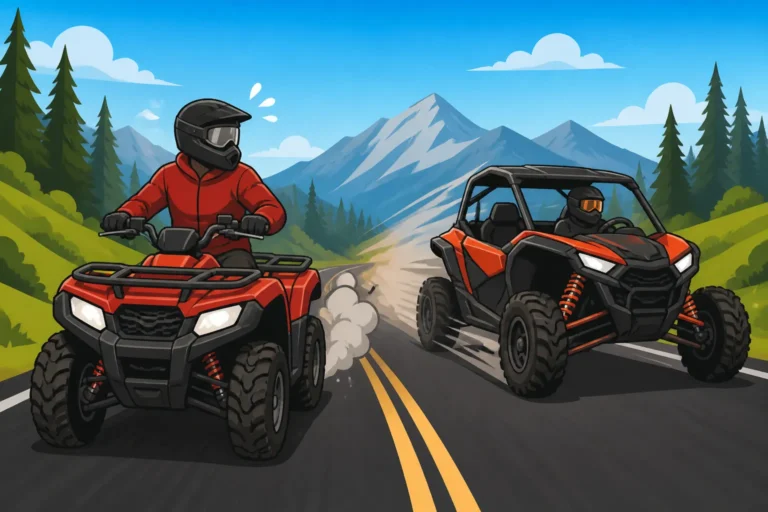
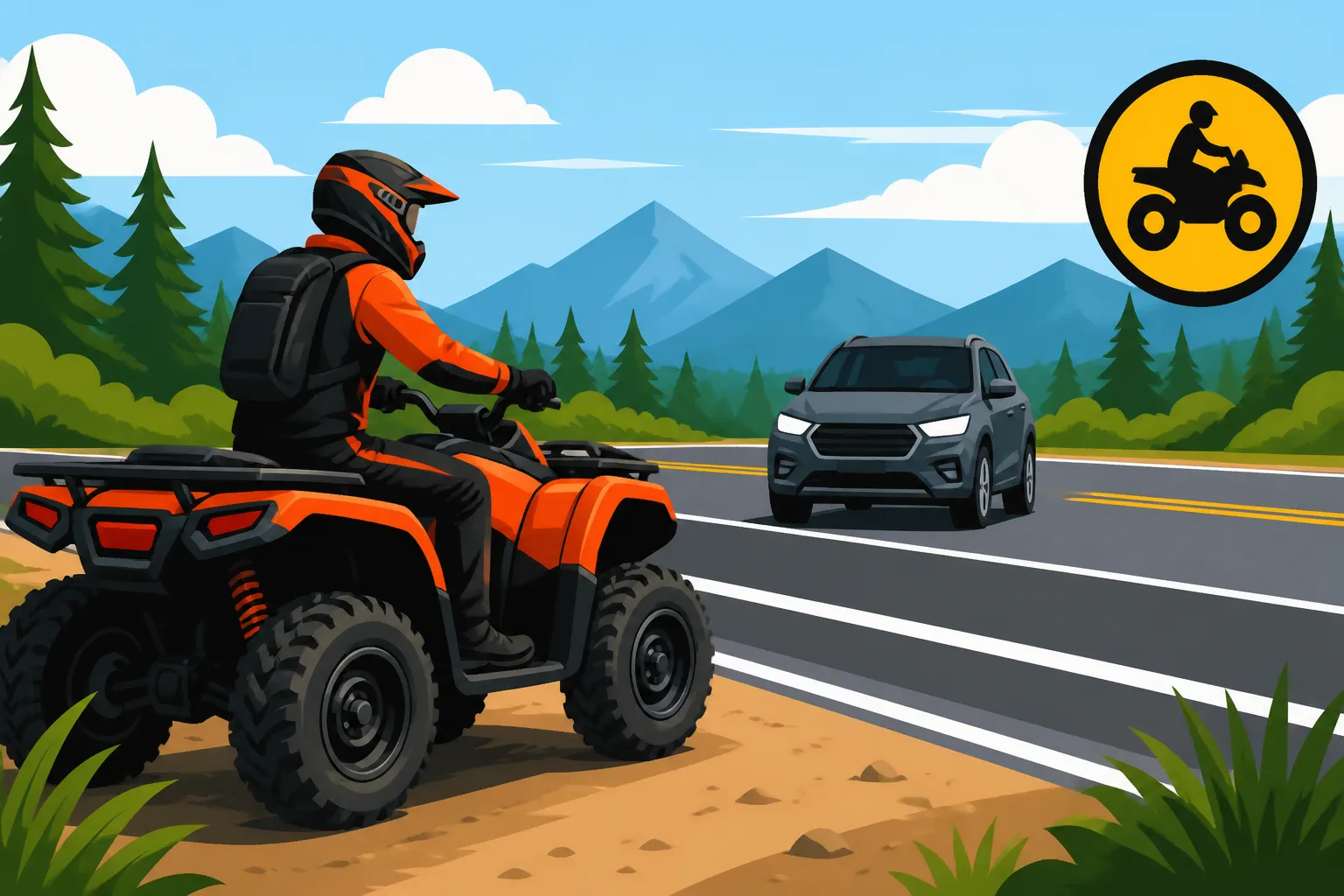
The most fundamental rule for crossing a paved public highway in Oregon on an ATV or UTV is that you must do so at a right angle. What exactly does that mean in practice? It means you drive straight across the road, as directly as possible, from one shoulder to the other. You are not allowed to drive down the road, even for a short distance, before turning off. Think of it like a pedestrian crossing at a crosswalk: you go straight from one side to the other, minimizing your time on the roadway itself.
This "right angle" rule is designed to ensure your machine spends the absolute minimum amount of time on the paved surface, reducing potential conflicts with faster-moving highway traffic. It's a pragmatic approach to allow continued trail access while prioritizing the safety of both the OHV rider and other motorists. It's critical to identify where you're entering and exiting the highway clearly before you begin the crossing, ensuring your path is as straight and direct as possible. Don't be tempted to "cut the corner" or angle your crossing, as this immediately puts you in violation.
Imagine you're on a trail that ends at Highway 34 near Alsea, and the next section of the trail picks up directly across the highway. You must stop at the edge of the pavement, look both ways (multiple times!), and then proceed straight across to the other side. This isn't the time for sightseeing or casual cruising. It’s a deliberate, direct maneuver, executed with precision and a hyper-awareness of your surroundings. Any deviation from this direct, perpendicular path could be interpreted by law enforcement as illegal operation on the public highway.
Stopping and Yielding at the Edge of Pavement
Before you even think about starting your right-angle crossing, Oregon law demands that you come to a complete and full stop at the edge of the paved highway. This isn't a suggestion; it's a mandatory step that ensures safety and adherence to traffic laws. Just like pulling out from a stop sign, you must pause, assess the situation, and then proceed only when it's safe to do so.
Once stopped, your primary responsibility is to yield to all traffic on the highway. This means cars, trucks, motorcycles – anything moving on that paved surface has the right-of-way. You cannot proceed until there is a clear and safe gap in traffic, allowing you to cross without impeding or endangering any other vehicles. This requires careful observation, often looking both ways multiple times, especially on roads with higher speed limits or limited visibility. [Crossing Where Sight Lines Are Short] can make this particularly challenging, so take extra time and caution.
It's common sense, but it bears repeating: don't assume traffic will slow down or stop for you. Highway speeds are vastly different from trail speeds, and your machine, while agile off-road, is much slower to accelerate and less visible than a typical car. Therefore, patience is your best friend here. Waiting for a large, undeniable gap in traffic is always preferable to rushing a crossing and putting yourself, your passengers, and other drivers at risk. Take a moment to scan the road thoroughly, estimate vehicle speeds, and make an informed, safe decision.
Permitted Routes and Designated Crossings
While the "right angle" crossing rule applies to most informal intersections of trails and highways, it's important to distinguish these from designated highway access routes. Oregon has a couple of very specific, officially designated routes, such as those found in Lakeside and Sumpter, where OHVs are permitted to travel along a paved road for a specified distance. These are completely different scenarios than a brief right-angle crossing. [Oregon's Only Two Designated ATV Routes: Lakeside and Sumpter] outlines these unique situations.
For example, in Lakeside, there are specific marked roads where you can legally ride your ATV or UTV through town to access different sections of the Oregon Dunes National Recreation Area. These routes are explicitly designated and signed for OHV use, often with lower speed limits and clear markers. The rules for these designated routes are distinct from the general highway crossing rules; on a designated route, you might travel a mile or more along the paved road.
Conversely, if you're not on one of these specifically designated routes, you cannot use the general right-angle crossing rule as an excuse to travel down a paved highway for any distance. The law is clear: the crossing must be the shortest distance possible and at a right angle. Thinking you can "bend" the rule because the next trail access is "just a little further down" the paved road is a common and costly mistake. Always consult local maps, signage, and official Oregon Parks and Recreation Department (OPRD) information to understand if you are on a designated route or merely facing a required crossing point.
Essential Gear and Safety Considerations for Highway Crossings
Even though you’re only on the pavement for a brief moment, interacting with highway traffic significantly increases the risks involved. It’s not just about what’s legally required; it’s about doing everything you can to ensure your safety and the safety of others. Being prepared and visible is half the battle.
Visibility is Key
When you’re on a trail, blending in with the environment might be a good thing, but when you’re crossing a highway, you want to stand out like a neon sign. Your ATV or UTV is much smaller than most highway vehicles, and often less noticeable, especially if it’s covered in mud or dust from a day on the trails. This is why maximum visibility is absolutely crucial for any highway crossing.
Wearing bright, reflective clothing is highly recommended. Think neon greens, oranges, or yellows that pop against any background. Many riders also add safety flags or whips to their machines, especially if they ride in the dunes, but these are beneficial for road crossings too. While the primary purpose of a whip flag in the dunes is to make you visible over crests, its height and bright color make you much more noticeable to approaching highway traffic, giving drivers more time to see you and react.
Consider adding aftermarket lighting or reflective tape to your machine. Even if your OHV technically has lights, they might not be as bright or as strategically placed as those on a street-legal vehicle. Many manufacturers, including brands like SuperATV, offer a variety of LED light bars, mirrors, and reflective kits that can drastically improve your machine’s profile. These accessories, while not always required for off-road use, can be game-changers for safety when briefly sharing space with highway traffic, particularly in low-light conditions, fog, or inclement weather when natural visibility is already compromised.
Helmets and Protective Gear
Oregon has clear and strict helmet laws for ATV riders, and these rules absolutely apply when you are crossing a highway. [Oregon Helmet Law for ATV Riders] dictates that anyone operating or riding as a passenger on an ATV must wear a safety helmet that complies with specific standards. This isn't just a recommendation; it's the law, enforced for your protection.
Beyond the helmet, think about the rest of your protective gear. While you might sometimes ride a short, easy trail section in less-than-full gear, a highway crossing is not the time to skimp. Full-finger gloves, long pants (not shorts!), a long-sleeved shirt or jacket, and sturdy over-the-ankle boots are all critical. If you were to have an accident with a highway vehicle, this protective gear could be the only thing standing between you and serious injury. It's about layers of defense against the unpredictable nature of shared roadways.
It's an uncomfortable thought, but the consequences of an incident on a paved highway are generally far more severe than a low-speed tip-over on a dirt trail. The speeds involved with highway traffic mean greater impact forces. Therefore, treating a highway crossing with the utmost respect for safety gear is non-negotiable. Don't compromise; wear all your gear every time you encounter pavement, even if it's only for a few seconds.
Machine Condition and Road Readiness
Before embarking on any ride that might involve highway crossings, it’s imperative to ensure your machine is in top operational condition. This isn't just about fun; it's about fundamental safety when you're momentarily mixing with passenger vehicles. The last thing you want is a mechanical failure when you're half-way across a busy highway.
Check your tires: Are they properly inflated? Do they have sufficient tread? While knobby tires are excellent for dirt and mud, they handle differently on asphalt, especially when braking or making sudden movements. Ensure your tires are in good shape and free from visible damage. Next, inspect your brakes. Are they responsive and strong? You need absolute confidence in your ability to stop quickly if traffic suddenly appears. Your headlights, taillights, and any additional lighting (like those from SuperATV) should be functional and clean, ensuring you can see and be seen, particularly if you're riding near dawn, dusk, or in less-than-ideal weather.
Your machine's engine should be running smoothly. You need reliable power to make a swift and confident crossing, without sputtering or stalling. A brief check of your machine’s overall health before you hit the trails can prevent a potentially dangerous situation on the pavement. This preparedness extends beyond just mechanicals; it also includes having your [Oregon ATV Permit Decal Placement] correctly displayed and your [Oregon ATV Safety Card Requirements] met, as law enforcement might check these during an interaction, even for a simple crossing.
What to Expect if Stopped and Common Mistakes
Even if you meticulously follow every rule for crossing a highway, there's always a chance you might encounter law enforcement. Knowing how to react, what to present, and understanding the common pitfalls can make a potentially stressful situation much smoother.
Interacting with Law Enforcement
So, you’ve just made a perfect right-angle crossing, but as you pull off the pavement, you see flashing lights behind you. Don't panic. Remain calm and cooperative. The first thing you should do is safely pull your machine completely off the main roadway and shut off the engine. Keep your hands visible and follow all instructions given by the officer.
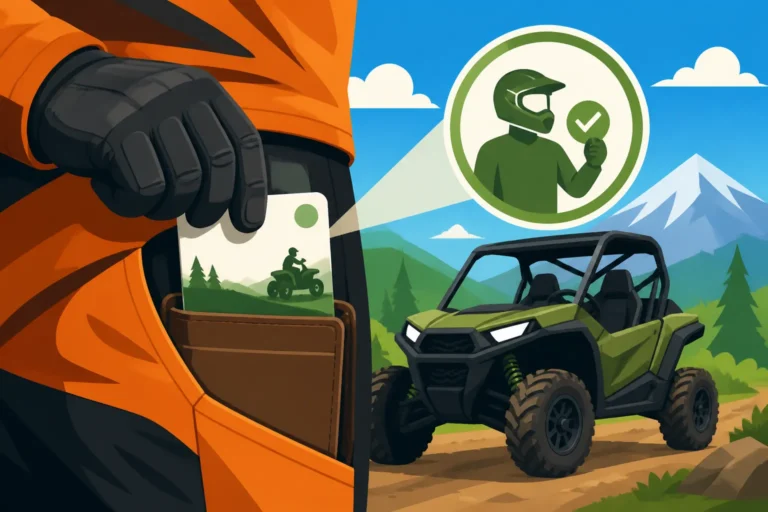
A trooper or sheriff will likely ask for your identification, your [Oregon ATV Permit], and your Oregon ATV Safety Card. [What a Trooper Asks for at a Roadside Stop] often includes these key documents, which prove you’re authorized to operate an OHV in Oregon. Make sure these documents are easily accessible and, ideally, protected from the elements in a waterproof bag or case, especially if you ride in Oregon's famously wet climate. Being polite and respectful goes a long way. They're primarily concerned with safety and compliance, and a cooperative attitude can help clear up any misunderstandings quickly.
If the officer has questions about your crossing, calmly explain that you were performing a legal right-angle crossing to access another section of trail. Having a map, even a basic one on your phone, that shows the trail continuing on the other side can sometimes be helpful in demonstrating your intent. Remember, law enforcement officers are there to ensure everyone's safety, and your calm, informed response can help diffuse the situation.
Distinguishing Crossing from Illegal Road Travel
This is perhaps the most crucial distinction to understand. A "highway crossing" is a very specific, brief maneuver to get from one side of a paved road to another. It is not a loophole that allows you to drive your non-street-legal OHV down the highway for any appreciable distance. This is where many riders get into trouble.
A common mistake is assuming that if a road looks like a gravel or dirt road, it's fair game for OHV travel, even if it's technically a county or state-maintained road not designated for OHVs. [Oregon Fines for Riding an Unopened Road] or an undesignated road can be significant. If you start traveling parallel to the highway, or driving down a paved county road that isn't specifically marked as an OHV access route, you are no longer making a legal crossing; you are illegally operating a non-street-legal vehicle on a public road.
The key here is intent and distance. A crossing is about minimizing time on the pavement. Driving on the pavement, even slowly and for a short distance (e.g., to the "next turn-off"), is generally considered illegal. Always be aware of local ordinances, signs, and maps. If a road isn't explicitly marked as an OHV route or a Forest Service road where OHVs are permitted, assume it's off-limits for anything other than a direct, perpendicular crossing. Don't let convenience tempt you into breaking the law.
When in Doubt, Re-Route or Trailer
Let's be realistic: not every situation is perfectly clear-cut. Sometimes the sight lines are truly terrible, the traffic is incessant, or the local regulations feel ambiguous. In these moments of doubt, the safest and smartest course of action is always to err on the side of caution. If a highway crossing feels unsafe, or if you're genuinely unsure whether your actions are legal, it's always best to find an alternative.
This might mean re-routing your ride, even if it adds a few miles or takes you away from your planned path. Modern GPS units and mapping apps (like OnX Offroad or Gaia GPS) often have OHV-specific layers that can help you identify legal trails and bypass paved sections entirely. Sometimes, it might mean the most practical solution is to trailer your machine a short distance to the next legal staging area or trail access point, completely avoiding the problematic road segment. Yes, it's an extra step, but it's infinitely preferable to risking an accident, a fine, or having your machine impounded.
Think of it as part of responsible riding. We all want to maximize our time on the trails, but not at the expense of safety or legality. Taking the time to research your route beforehand, looking for potential road crossing points, and having a contingency plan for difficult sections can save you a lot of grief. Enjoying Oregon's incredible OHV opportunities means respecting all the rules, even the ones that temporarily take us out of our off-road comfort zone.
| Feature | Highway Crossing (General Rule) | Designated Highway Access Route (e.g., Lakeside, Sumpter) |
|---|---|---|
| Purpose | Briefly traverse a paved road to access another trail/area. | Allows travel along a specific paved road section for extended distances. |
| Movement | Must be at a right angle, shortest distance possible. | Can travel length-wise along the designated route. |
| Duration | Minimum time necessary to cross. | Can travel for the entire length of the designated route. |
| Signage | No special signage; general traffic laws apply. | Clearly marked with "OHV Route" signs. |
| Speed Limit | Adhere to posted highway speed limit (or lower for safety). | Adhere to posted speed limits for the route. |
| Traffic Yield | Yield to all traffic. | Yield to all traffic. |
| Required Gear | Oregon ATV permit, safety card, helmet, basic safety gear. | Oregon ATV permit, safety card, helmet, specific street-legal requirements for Class II machines where applicable. [Oregon Insurance Requirements for Class II] |
| Visibility | Crucial for safety. | Crucial, especially when sharing with cars. |
Disclaimer
This article is for general informational purposes only and does not constitute professional advice. Laws, prices and regulations vary by location and change over time. Consult a qualified professional for guidance on your specific situation.