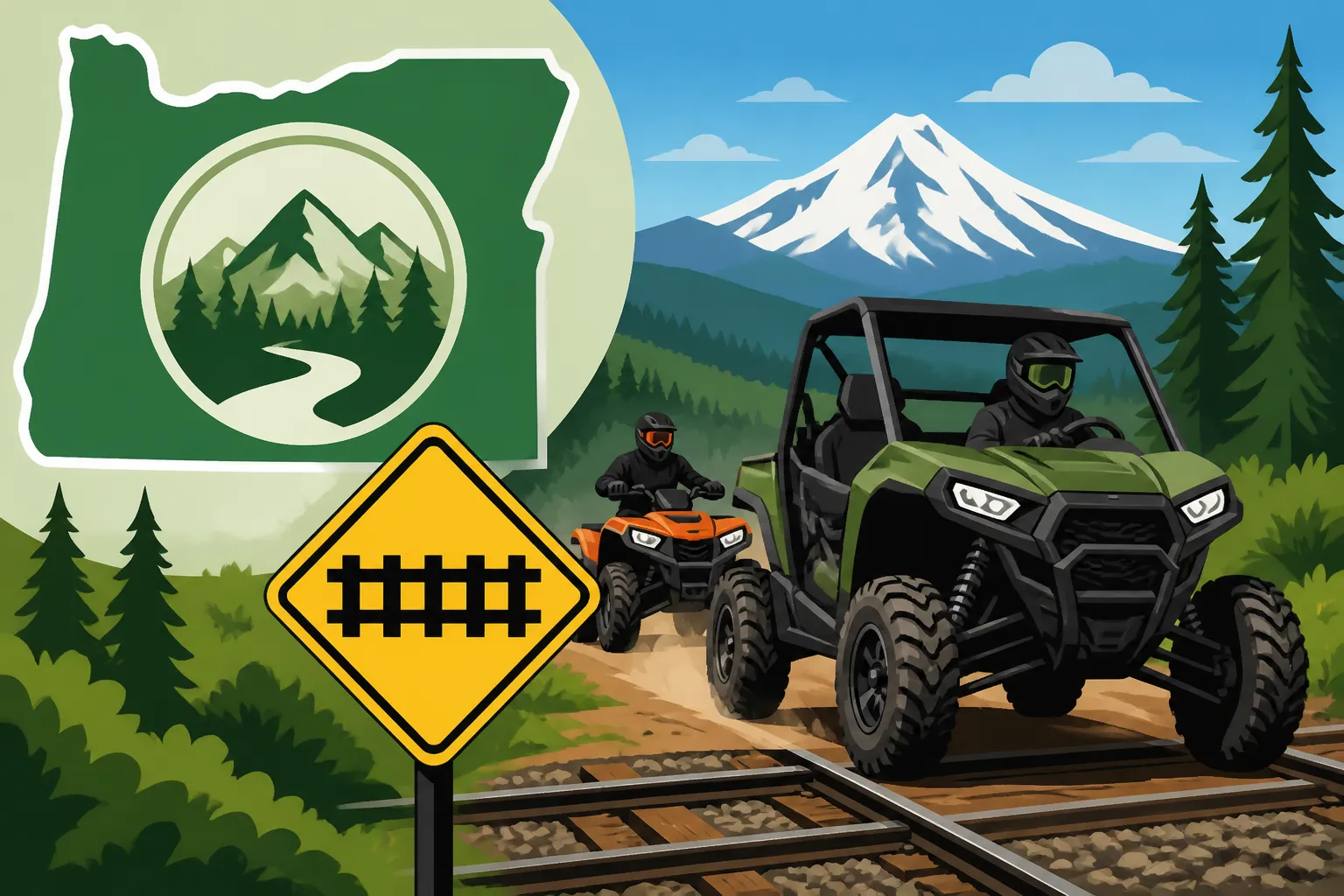
Oregon Rules for Riding a Railroad Grade
It’s a scenario many of us have encountered while exploring Oregon’s vast landscapes: you’re out on your ATV or UTV, cruising along, and you spot what looks like an old, forgotten path cutting through the trees or alongside a river. It might be overgrown, missing rails, or just have that unmistakable gravel bed of a former railway. Your mind might instantly jump to, "This looks like a great shortcut," or "What an interesting, unexplored trail!" But before you even think about putting a tire on that alluring stretch of ground, it's absolutely crucial to understand the very real and severe risks, both legal and physical, associated with riding on railroad grades in Oregon. This guide will meticulously break down why these areas are strictly off-limits, the hefty penalties you could face, and where you can legally and safely enjoy your off-road machine in our beautiful state.
The Grave Dangers of Railroad Property
When you see an old railroad grade, your immediate thought might be of an abandoned piece of history, ripe for exploration. However, the reality is far from it. Railroad property, active or seemingly inactive, poses significant, often hidden dangers that can turn a fun ride into a catastrophic event. It’s not just about the trains; it's about the inherent instability of the terrain, the lack of maintenance for recreational use, and the legal implications that follow any incident.
Understanding Active Versus Inactive Grades
First off, there's a huge misconception that if tracks are missing or rusted, the line is "abandoned" and therefore fair game. This couldn't be further from the truth. In Oregon, as in most places, property ownership remains, and a railroad grade is almost always owned by a railway company, even if it hasn't seen a train in decades. What looks like an old path could be part of an active rail corridor that's simply not used as frequently, or it could be a segment under maintenance or scheduled for future use. The presence of rails isn't the only indicator of active property. Rail companies often perform maintenance or surveys on these lines, and you could encounter heavy equipment or personnel unexpectedly. Moreover, a line might be "inactive" for trains but still serve as an access road for maintenance crews or utility workers. Suddenly, your casual ride is interrupted by an industrial vehicle, creating a collision risk you never anticipated.
Even if a line is truly abandoned and formally decommissioned, it doesn't automatically become public land or a recreational trail. It often reverts to adjacent landowners or is purchased by land trusts for purposes other than OHV use. Without clear signage indicating public access for off-roading, you must assume it is private property. Trespassing on any property, especially one with a history of industrial use like a railroad, carries its own set of dangers and legal repercussions. The allure of a seemingly untouched path can lead riders into truly dangerous situations, often far from help. [Oregon Trespass Rules for Riders] are very clear on the legal framework for staying off private land.
Unseen Hazards and Maintenance Risks
Beyond the possibility of encountering a train or maintenance vehicle, railroad grades are inherently unsafe for ATV and UTV riding due to their construction and lack of recreational maintenance. The ground itself is often unstable, comprised of ballast rock – the loose, angular stones that support the ties. Riding on this material is not only extremely hard on your suspension and tires but can also cause loss of traction, making your machine unpredictable and prone to rollovers. Imagine hitting a patch of loose ballast at speed; your tires could easily dig in, or slide out, sending you or a passenger flying.
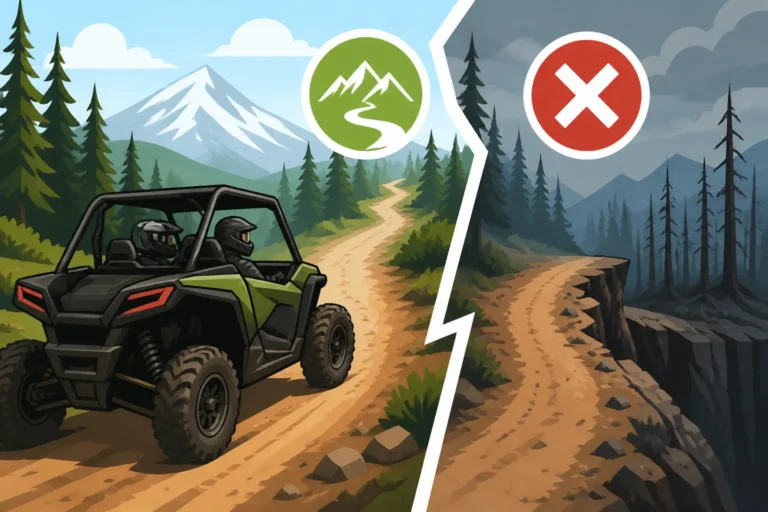
Then there are the hidden hazards. Old ties, spikes, and other railway debris can be partially buried, waiting to puncture a tire or snag a control arm. Bridges and culverts, while robust for trains, may have deteriorated significantly over time, becoming unstable or having missing sections that create unexpected drops. Erosion can undermine the grade, creating sinkholes or soft spots that are impossible to see until you're already in them. There might be unexpected drops where bridges once stood, or dangerous washed-out sections. Add to this the potential for sharp metal objects, broken glass, or even old chemical spills from train cars, and you have a recipe for serious injury or damage to your machine. Unlike designated OHV trails, these areas are not maintained with recreational safety in mind, nor are they regularly inspected for hazards pertinent to off-road vehicles. Using strong, durable parts from companies like SuperATV can help your machine stand up to tough trails, but even the best components can't protect you from a collapsing culvert or an unseen length of rebar.
Why Railroad Grades Are Legally Off-Limits for OHVs
The reasons for avoiding railroad grades aren't just about safety; they're deeply rooted in law. Trespassing on railroad property is a serious offense, not just a minor infraction. These laws are in place to protect riders, railway employees, and the integrity of the transportation infrastructure. Ignoring these rules can lead to severe fines, legal action, and even criminal charges, far outweighing any perceived convenience or thrill of riding on forbidden ground.
Federal and State Trespass Laws
Both federal and state laws in Oregon make it unequivocally illegal to trespass on railroad property. Under federal law, the Federal Railroad Safety Act prohibits unauthorized individuals from being on railroad property, and this is reinforced by state statutes. In Oregon, trespassing on railroad right-of-way is often treated with the same gravity as any other form of private property trespass, but with added layers of danger and liability. Railroad companies vigorously defend their property rights and are keenly aware of the liability issues that arise from accidents involving trespassers. This means they are not shy about pressing charges.
The property lines around railroad grades can extend quite far beyond the tracks themselves, often encompassing a wide "right-of-way" that includes adjacent land, embankments, and access roads. Just because you're not riding directly on the ties doesn't mean you're not trespassing. A good rule of thumb is: if you can see a railroad grade or tracks, assume the surrounding land is private railroad property unless explicitly marked otherwise for public recreational access. This proactive caution can save you a world of trouble. Remember, ignorance of the law is rarely an acceptable defense when you're caught. Even if you come across what looks like a public access point, it's crucial to verify it before proceeding.
The Reality of Enforcement and Penalties
So, what happens if you get caught? The consequences are far from trivial. You could face significant fines, potentially hundreds or even thousands of dollars, depending on the specific statute cited and whether it's a first offense or repeat violation. Law enforcement, including local sheriffs, state police, and even railroad police (yes, they're real and have arrest powers), patrol these areas, especially where trespassing is known to occur. They are particularly vigilant because accidents on railroad property are so dangerous and can disrupt train operations, leading to immense financial losses for the rail companies.
Beyond fines, your ATV or UTV could be impounded. The cost of retrieving an impounded vehicle, including towing fees, storage fees, and administrative penalties, can quickly add up to more than the fine itself. In some cases, especially if there's damage to property or a repeated offense, you could even face criminal charges. A criminal record can have long-lasting effects on your employment, housing, and other aspects of your life. Imagine explaining a trespass charge related to your quad to a potential employer. It's simply not worth the risk. [Oregon Fines for Riding Without a Permit] are a good indicator of how seriously the state takes OHV infractions, and trespassing is often seen as more severe.
Consider this hypothetical: you're riding your new side-by-side, maybe one that's outfitted with some robust SuperATV accessories for true off-road adventures, and you decide to take a "quick cut" across what you think is an abandoned rail line. Suddenly, flashing lights. A local sheriff's deputy has seen you. Not only do you get a hefty fine for trespassing, but your side-by-side is towed, and you're left stranded. That quick shortcut turned into an expensive, inconvenient, and potentially record-altering mistake.
Safer and Sanctioned Riding Alternatives in Oregon
The good news is that Oregon offers an abundance of legal and incredible places to ride your ATV or UTV. You don't need to risk life, limb, or legal trouble by riding on railroad grades. The state has invested heavily in developing and maintaining designated OHV areas, trails, and even some specific county roads where off-road vehicles are permitted. Embracing these sanctioned areas is not just about legality; it's about supporting the sport, ensuring safety, and preserving access for future generations.
Exploring Designated OHV Parks and Trails
Oregon is a paradise for off-road enthusiasts, with diverse terrain ranging from the towering sand dunes of the coast to the rugged forest trails of the Cascades and the high desert. Places like the Oregon Dunes National Recreation Area (think Spinreel, Hauser, Umpqua), the Tillamook State Forest (Browns Camp, Jordan Creek), Millican Valley outside Bend, and Prospect OHV Park near Crater Lake all offer miles of legal, maintained, and breathtaking trails. These areas are specifically designed for OHV use, meaning they are mapped, signed, and regularly inspected for safety. They also often have amenities like staging areas, restrooms, and even campgrounds.
To ride in these areas, you'll need an Oregon ATV Operating Permit and often an Oregon ATV Safety Education Card. These permits help fund the maintenance and development of these very trails, creating a sustainable system for off-road recreation. When you purchase a permit and safety card, you're not just complying with the law; you're contributing directly to the quality and availability of the places you love to ride. [Where to Ride an ATV in Oregon] offers a fantastic overview of these prime locations. For any UTV or ATV, whether it's a Class I quad or a wide Class IV side-by-side like those SuperATV caters to, there's a designated trail waiting for you.
Public Gravel Roads and Other Legal Access
Beyond dedicated OHV parks, certain public roads in Oregon are open to off-road vehicles under specific conditions. Many national forest roads and Bureau of Land Management (BLM) gravel roads are open to ATVs and UTVs. However, it's critical to know the local regulations, as rules can vary by county and specific road. Generally, a Class II machine (like a street-legal side-by-side or a sand rail) might be able to get a street-legal registration and operate on certain roads, while Class I (quads) and Class IV (most side-by-sides) are usually restricted to off-highway use or designated ATV routes.
Oregon has also designated two specific ATV Highway Access Routes in Lakeside and Sumpter, where OHVs can legally travel on town streets to connect to trails or access amenities. These are rare exceptions, however, and most town roads remain off-limits. Always check with the local Forest Service, BLM office, or county sheriff's department for current road opening status and specific rules before you venture out. Picking up a good trail map is always a wise investment. Remember that [Oregon Rules for Riding a Forest Road] and [Oregon Rules for Riding a County Gravel Road] exist for a reason – to keep everyone safe and preserve access. Never assume a road is open just because it looks like it is.
Here's a quick comparison of common land types and OHV access:
| Land Type | OHV Access Status in Oregon | Common Misconceptions | Legal Consequences (if applicable) | Safety Concerns for OHVs |
|---|---|---|---|---|
| Railroad Grade (active/inactive) | Strictly Prohibited – Trespassing | "It's abandoned/unused." "No one will know." | Significant fines, machine impoundment, criminal charges, liability for accidents, potential prison time for serious incidents. | Active trains, maintenance vehicles, unstable ballast, hidden debris, deteriorating structures, uninspected bridges, lack of rescue access. |
| Designated OHV Park/Trail | Permitted with permits/safety card | "I can ride anywhere in the park." | Minor fines for permit/card violations; riding off-trail. | Other riders, changing trail conditions, unexpected obstacles, wildlife, weather. |
| Public Gravel County Road (Non-designated) | Generally Prohibited for OHVs; Exceptions for Class II street-legal and designated routes. | "It's public, so I can ride my quad." | Fines for illegal road use, operating unpermitted/unlicensed machine. | Passenger vehicles, blind corners, dust, varying road conditions, wildlife. |
| National Forest Roads (Open Status) | Generally Permitted; Check specific closures/restrictions. | "All Forest Service roads are open." | Fines for riding closed roads, violating seasonal restrictions. | Logging trucks, other vehicles, seasonal closures (fire, snow, mud), wildlife. |
| BLM Land (Designated Trails/Areas) | Generally Permitted; Adhere to area-specific rules. | "BLM land is free-for-all." | Fines for riding off-trail, environmental damage. | Sensitive habitats, open range livestock, unmarked hazards, remote locations. |
The key takeaway is this: always know where you are riding, and always verify that it's legal. By sticking to designated areas and understanding the rules for different types of public land, you ensure a safe, legal, and truly enjoyable off-road experience in Oregon. Whether you're customizing your rig with high-quality components from SuperATV or just keeping it stock, the best place to use it is where it's legally allowed.
Disclaimer
This article is for general informational purposes only and does not constitute professional advice. Laws, prices and regulations vary by location and change over time. Consult a qualified professional for guidance on your specific situation.