The Chin Strap Rule Oregon Enforces
It’s easy to feel a bit overwhelmed when you’re trying to wrap your head around all the rules and regulations that come with enjoying Oregon’s incredible ATV and UTV trails. You’ve got the permit, maybe even an [Oregon ATV Safety Card], and you’re ready to hit the dirt or the sand. But then there’s the helmet question, and specifically, that seemingly simple little strap under your chin. It might seem like a small detail, but believe me, it’s anything but. This guide is going to meticulously break down Oregon’s chin strap rule, why it's so important, and how to make sure you're always riding safely and legally, saving you a headache—both literally and figuratively.
Oregon's Overall Approach to ATV Helmet Laws
Oregon takes rider safety seriously, and helmets are a cornerstone of that commitment. It’s not just about ticking a box; it’s about protecting heads from impact, debris, and unforeseen tumbles. When you’re out on the trails, whether you’re navigating the challenging terrain of the Tillamook State Forest or cruising the wide-open expanse of the Oregon Dunes, things can happen fast. A helmet is your first line of defense.
Who Needs a Helmet in Oregon and Why
Let’s get straight to the point: nearly everyone needs a helmet when riding an ATV or UTV in Oregon. The law is quite clear, especially for younger riders. If you're under 18, you are absolutely required to wear a helmet, no exceptions. This applies whether you're on a quad, a dirt bike, or even in a side-by-side. The intent here is obvious: to protect developing brains and minimize injuries among our most vulnerable riders. Kids, especially, can have a harder time judging terrain and react differently to unexpected situations, making helmet use non-negotiable.
But it doesn't stop with the youngsters. [Oregon Helmet Law for ATV Riders] generally extends to adults as well, though there can be nuances depending on the type of machine and where you're riding it. For example, if you're on a Class I quad or a Class III dirt bike, wearing a helmet is standard practice and often legally mandated for all riders, regardless of age, when operating on public lands or designated OHV trails. The reasoning is universal: the risk of head injury is high in off-road environments. Accidents can occur from rollovers, collisions, or simply losing control and being thrown from the machine. Helmets significantly reduce the severity of these injuries, which is why Oregon's regulations are so comprehensive. It's truly about preventing tragic outcomes and ensuring everyone can enjoy the sport safely.
The Role of Approved Helmets: DOT and Snell Standards
It’s not enough to just wear any helmet; it needs to be an approved helmet. In Oregon, like most places, this means your helmet must meet certain safety standards set by organizations like the Department of Transportation (DOT) or the Snell Memorial Foundation. You’ll usually see a sticker on the back of the helmet indicating its certification. A DOT-certified helmet means it has met the minimum safety requirements for impact absorption and penetration resistance. Snell certification, on the other hand, is generally considered a higher standard, often used for competitive racing due to more rigorous testing protocols.
Choosing between DOT and Snell often comes down to personal preference and your specific riding style. Both offer substantial protection, but Snell-rated helmets tend to be a bit more robust and, consequently, sometimes a little heavier or more expensive. Regardless of which standard you choose, make sure the helmet fits properly. An ill-fitting helmet, even if it's top-rated, won't provide the protection you need. Different types of helmets are also available: full-face helmets offer the most comprehensive protection, covering your entire head and face; open-face helmets provide good head protection but leave your face exposed (often paired with goggles); and modular helmets offer a hybrid approach, with a chin bar that can flip up. For off-road riding, a full-face helmet designed for dirt sports is usually the best bet, as it protects against roost, branches, and facial impacts. The key takeaway is to invest in a helmet that meets recognized safety standards, fits snugly, and is appropriate for the intensity of your riding. Always look for that [DOT and Snell Helmets in Oregon] certification.
The Chin Strap Rule: What It Is and Why It Matters
Now, let's zoom in on the specific focus of this guide: the chin strap. This isn't just a random piece of webbing; it's a critical component of your helmet's safety system. Without it, even the most expensive, highly-rated helmet is essentially just a hat that might fly off when you need it most. Oregon’s chin strap rule is about ensuring your helmet performs its intended function when an incident occurs.
Ensuring Your Helmet Stays On: The Core Purpose
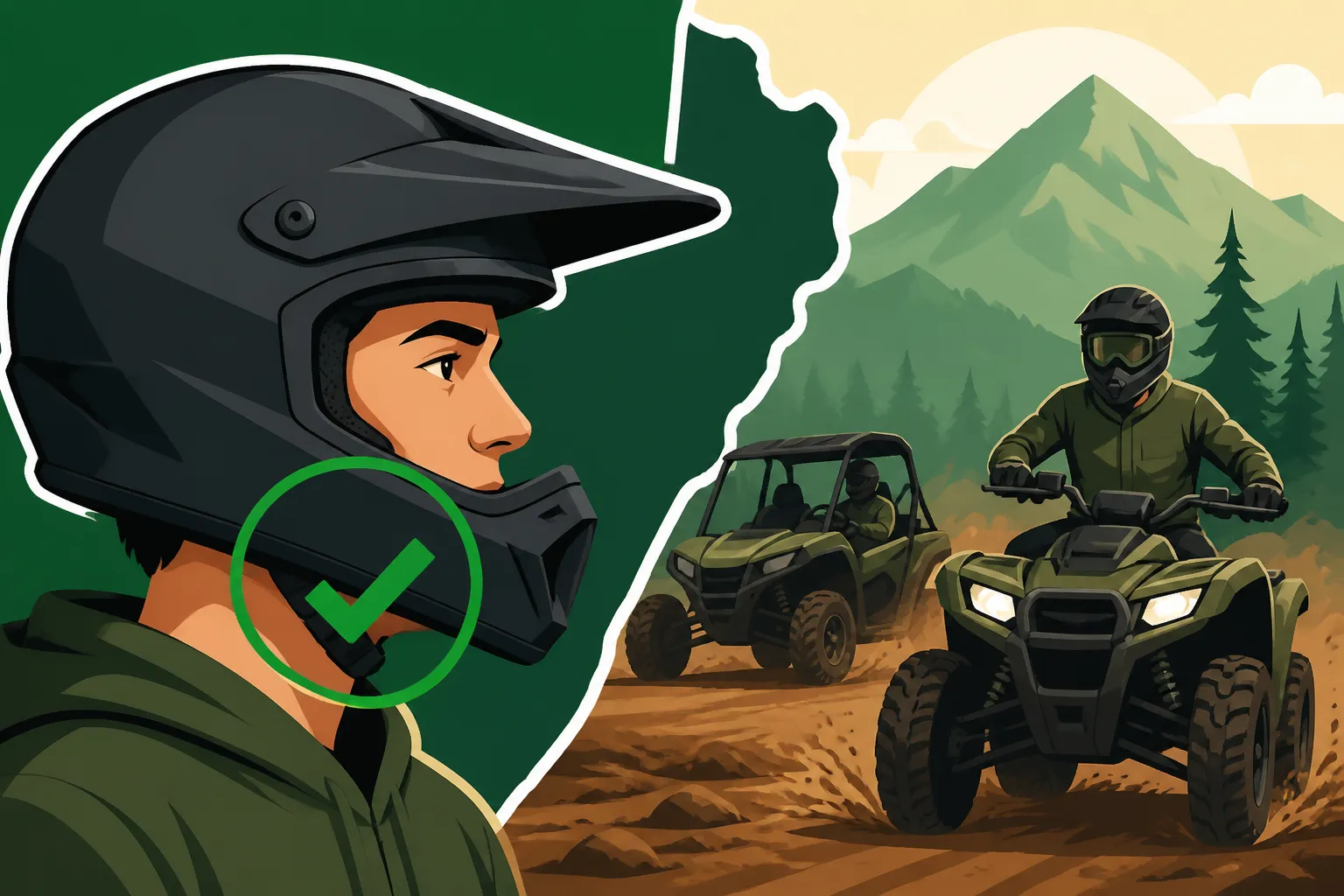
Oregon's chin strap rule is straightforward: your helmet must be snugly fastened under your chin. It’s not just about having the strap buckled; it’s about making sure it’s tight enough that the helmet can’t easily be pulled off your head. Think about it: in an impact or a sudden jolt, if that strap isn’t secure, the helmet can lift, twist, or even come completely off. At that point, all the protective technology built into the helmet becomes irrelevant.
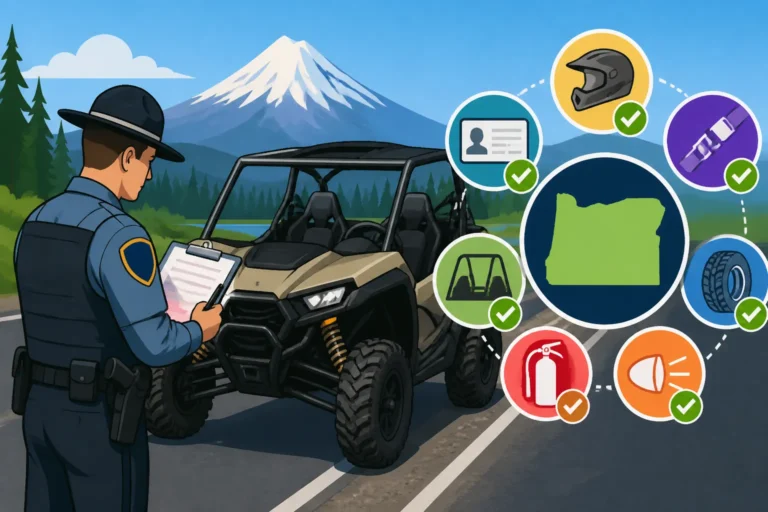
Imagine taking a spill on a rocky trail. If your chin strap is loose, your helmet could be knocked off the moment your head hits the ground, leaving you completely exposed. It’s like wearing a seatbelt without clicking it in – it's there, but it won't protect you. Law enforcement officers, like an [Oregon Trooper Checks Roadside], are trained to look for this. They’re not just checking for the helmet itself, but that it's worn correctly. A loose chin strap is a common oversight, often made for comfort, but it completely defeats the purpose of wearing a helmet in the first place. Your safety, and potentially your life, depends on that strap doing its job, keeping the helmet firmly in place to absorb and dissipate impact forces as designed.
Common Chin Strap Mistakes and How to Avoid Them
It’s surprisingly easy to make mistakes with your chin strap. One of the most common errors is simply not tightening it enough. Riders often leave it a bit loose because it feels more comfortable, or they want to be able to quickly take the helmet on and off. But if you can easily slip a finger or two between the strap and your chin, it’s too loose. Another mistake is allowing the strap to twist or become uncomfortable, which often leads to loosening it even further. Sometimes, riders forget to thread the excess strap through the retainer loop, allowing it to flap around and potentially loosen over time.
To avoid these pitfalls, always make it a habit to check your chin strap every single time you put on your helmet. First, place the helmet firmly on your head. Then, buckle the strap and pull the excess webbing until it feels snug against your throat. You should be able to open your mouth wide without the helmet shifting significantly on your head, but it shouldn't feel like it's choking you. There should be just enough room for one finger to fit snugly between your chin and the strap, but no more. If your strap has a D-ring system, make sure the strap is correctly threaded through both rings to lock it securely. For quick-release buckles, listen for the definitive click. Make it part of your pre-ride routine, alongside checking your tires and fuel. A quick adjustment can be the difference between a minor bump and a serious injury.
When the Rule Applies: Riding Conditions and Machine Types
The chin strap rule isn't just for a specific type of riding or a single machine; it's a broad safety standard. However, understanding how it intersects with different riding environments and vehicle classifications can prevent confusion and ensure compliance. Whether you're blazing trails or taking advantage of designated road access, the principles of helmet safety remain paramount.
Helmets on Trails vs. Roads
Generally speaking, the requirement to wear a helmet with a snugly fastened chin strap applies universally across all public riding environments in Oregon. This includes the challenging, technical trails in the Tillamook State Forest, the wide-open expanse of the Oregon Dunes, and any designated off-highway vehicle (OHV) parks or areas. If you're riding an ATV or UTV where off-road vehicle rules apply, you should assume a helmet, properly secured, is mandatory. This is about consistent safety, regardless of the specific terrain.
Things can get a little more nuanced when it comes to riding on actual roads. For instance, [Oregon's Class II Street-Legal Exception] allows certain types of machines, typically those that meet specific criteria for things like lights, turn signals, and mirrors, to be registered and operated on public roads. These Class II machines include things like dune buggies or certain utility vehicles. If you're operating a street-legal Class II machine on a public road, you generally fall under motor vehicle laws, which often have their own helmet stipulations. While some enclosed vehicles might offer exceptions for helmets, the chin strap rule remains crucial for any situation where a helmet is required. Always check the specific regulations for the roads you plan to ride, especially if it's a designated [Oregon ATV Highway Access Route Map] like in Lakeside or Sumpter, as these often have unique rules about safety gear. However, the safest approach, and often the legally required one, is to always wear an approved helmet with a secure chin strap when riding any ATV or UTV.
Impact on Different ATV Classes and Riders
The chin strap rule, and helmet usage in general, applies broadly across Oregon's four ATV classes. For Class I (quads) and Class III (off-road motorcycles/dirt bikes), helmet use with a secure chin strap is essentially a given for all riders on public lands. These machines are designed for dynamic, often high-speed, off-road riding where falls and impacts are a significant risk. Protecting your head in these scenarios is absolutely critical.
Where it can get a bit more complex is with Class IV (side-by-sides, also known as UTVs) and sometimes Class II (larger, multi-purpose off-road vehicles). Many side-by-sides come with roll cages and seatbelts, which provide a degree of protection. However, Oregon still has specific rules. For instance, [Helmet Rules for a Teenager in a Caged Side-by-Side] generally still require helmets for riders under 18, even within a roll cage. For adults in a side-by-side, while some enclosed, street-legal Class II vehicles might have an exception, the general rule on off-road trails and areas is that helmets are strongly recommended and often legally required. There's a common misconception that a roof and roll bar automatically exempt you from helmet use, but this isn't always true. While a roof can offer some protection from overhead debris or sunlight, it does not fully replace the head protection offered by a helmet in a rollover or impact. The law considers specific circumstances, and it's best to err on the side of caution. Even if a vehicle has a full cage and seatbelts, the forces in a rollover can be violent, and a helmet ensures your head is protected from internal impacts within the cage itself. Always fasten that chin strap securely, as an unsecured helmet offers minimal benefit in such extreme situations.
Enforcement and Consequences of Not Following the Rule
It’s one thing to know the rules, and another to face the consequences when they’re not followed. Oregon’s law enforcement takes helmet safety seriously, not just because it’s a rule on the books, but because they’ve seen the devastating outcomes of head injuries. Getting caught without a properly secured helmet can lead to more than just a stern warning.
What an Oregon Trooper Checks Roadside
When you’re out riding, especially in popular OHV areas like the Oregon Dunes, Tillamook State Forest, or Millican Valley, it’s not uncommon to encounter law enforcement or park rangers. These officials, whether they are Oregon State Troopers, county sheriffs, or Oregon Parks and Recreation Department staff, are on patrol to ensure everyone is riding safely and legally. When an [Oregon Trooper Checks Roadside], they're looking for several things. They’ll likely check for your ATV operating permit decal, your [Oregon ATV Safety Card], and of course, your helmet.
Specifically regarding helmets, they aren't just looking to see if you have one on your head. They will look for that crucial chin strap. Is it buckled? Is it tight enough? They might even give the helmet a gentle tug to see if it shifts easily or can be pulled off. A helmet sitting loosely on your head, or with an unbuckled chin strap, is considered a violation. It demonstrates a disregard for safety and the law, and it can lead to a citation. The fines for such violations can add up quickly, especially if combined with other infractions, like riding without a permit, which can lead to [Oregon Fines for Riding Without a Permit]. Remember, their goal isn’t just to issue tickets, but to ensure everyone's safety, and a properly worn helmet is a fundamental part of that.
Beyond the Fine: The Real-World Risks
While a fine can be a frustrating expense, the real consequences of not following the chin strap rule go far beyond your wallet. The primary purpose of a helmet is to protect your brain, and an unsecured helmet simply cannot do that effectively. In an accident, even a relatively minor one, your head can strike the ground, a tree, another vehicle, or even the inside of your own roll cage with tremendous force. Without a helmet securely in place, the risk of severe traumatic brain injury (TBI) skyrockets.
TBIs can range from concussions to permanent brain damage, leading to long-term cognitive, physical, and emotional impairments. We’re talking about life-altering consequences that could impact your ability to work, communicate, or even care for yourself. Imagine the pain and suffering for you and your loved ones, all because a small strap wasn't tightened. Beyond personal injury, consider the implications with insurance. If you're involved in an accident and found to be in violation of helmet laws – meaning your helmet was not properly secured – your insurance company might deny or reduce coverage for your medical expenses or damages, arguing that your negligence contributed to the severity of your injuries. So, while the immediate sting of a fine might be annoying, the potential long-term risks to your health, your family, and your financial well-being are far more significant. The chin strap isn't just a rule; it's a lifeline.
Practical Tips for Helmet Maintenance and Selection
Choosing the right helmet and keeping it in excellent condition are just as important as knowing the rules. A helmet is an investment in your safety, and like any critical piece of gear, it requires careful consideration during purchase and ongoing care. Don't just grab the first helmet you see; make an informed decision and treat it well.
Choosing the Right Helmet for Your Ride
Selecting the perfect helmet involves more than just picking a cool design. Fit is paramount. A helmet that's too loose will wobble and fail to provide protection, while one that's too tight can cause headaches and distraction. Always try helmets on before buying, if possible. It should feel snug all around your head, with no pressure points, and your cheeks should be slightly compressed. When you shake your head, the helmet shouldn't move independently of your scalp. Beyond fit, consider ventilation, especially if you plan to ride in warmer conditions or do a lot of physically demanding trail riding. Good airflow can prevent overheating and fogging, improving comfort and visibility.
Think about the specific type of riding you do. If you're tackling muddy trails, you might want a helmet with a large visor to shield against mud and roost. For dune riding, especially in places like the Oregon Dunes, goggles are essential, so ensure the helmet's eyeport is compatible with your preferred goggle brand. Many riders also integrate communication systems into their helmets to talk with fellow riders, which can be a huge safety advantage in a group. When looking for parts and accessories for your UTV, whether it's for performance or safety, companies like SuperATV offer a wide range of products that complement a safe riding setup, from robust roll cages to enhanced lighting. While they don't sell helmets directly, their focus on durable and high-quality accessories ensures that your entire machine is geared for safety, which goes hand-in-hand with wearing a properly chosen and fitted helmet. Remember, the best helmet is one you'll actually wear, comfortably and correctly.
Keeping Your Helmet in Top Condition
Once you've invested in a good helmet, proper maintenance is key to ensuring its longevity and protective capabilities. After every ride, especially if you've been riding in dusty or muddy conditions, take the time to clean your helmet. The exterior can be wiped down with a soft cloth and mild soap and water. Pay attention to the interior padding, which can absorb sweat and odors. Many helmets have removable, washable liners; if yours does, follow the manufacturer's instructions for cleaning. If not, a helmet cleaner spray designed for interiors can work wonders. Avoid harsh chemicals or solvents, as these can degrade the helmet's materials.
Storage is also important. Always store your helmet in a cool, dry place, away from direct sunlight or extreme temperatures, which can affect the shell and liner. A helmet bag can protect it from scratches and dust when not in use. Most importantly, inspect your helmet regularly for any signs of damage. Look for cracks in the shell, frayed chin straps, or compressed interior foam. A helmet is designed to absorb impact by deforming, so if it has sustained any significant impact – even if you can't see visible damage – it should be replaced. The general rule of thumb is to replace your helmet every 3-5 years, even if it hasn't been crashed, as materials can degrade over time. Treating your helmet with care ensures it will be there to protect you when you need it most.
Disclaimer
This article is for general informational purposes only and does not constitute professional advice. Laws, prices and regulations vary by location and change over time. Consult a qualified professional for guidance on your specific situation.