Oregon Rules for a Youth Rider on a Road
It's a common dream for many outdoor enthusiasts in Oregon: sharing the thrill of an ATV or UTV ride with their kids, whether on a designated trail or even a specific road. But that dream can quickly turn into a headache when you start digging into the maze of regulations governing youth riders on public roads. Between age minimums, safety education requirements, different vehicle classifications, and varying road access rules, it’s incredibly difficult to get a straight answer on what’s actually allowed. This guide is here to untangle that complexity, providing clear, practical information on the Oregon rules for young riders operating off-highway vehicles on approved roads, helping you ensure your family rides are both legal and safe.
The Complex Landscape of Youth ATV/UTV Road Use in Oregon
Let's be honest, trying to understand where and how a young person can ride an ATV or UTV on a "road" in Oregon can feel like trying to solve a Rubik's Cube blindfolded. The biggest hurdle often comes from the term "road" itself. In Oregon, not all roads are created equal when it comes to off-highway vehicle (OHV) access, and this distinction becomes even more critical when a minor is involved. We're not talking about Interstate 5 here, but rather a patchwork of forest roads, gravel county roads, and very specific designated routes where OHVs might be permitted.
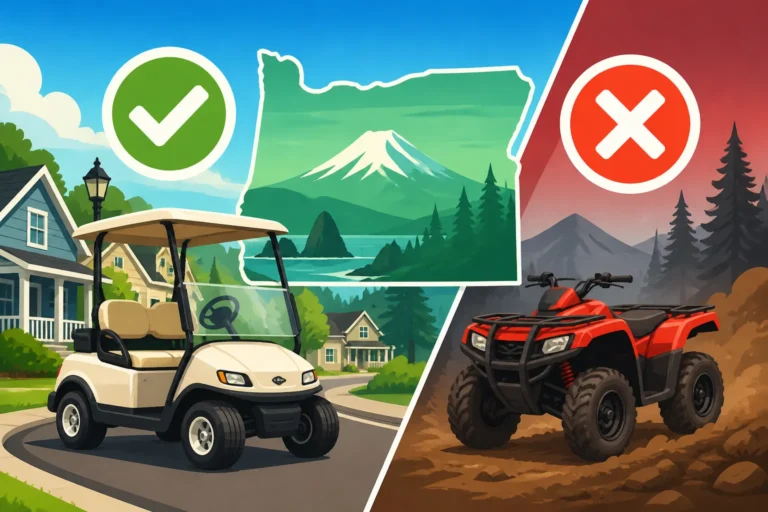
The first frustration for many families is the broad assumption that if a road is open to OHVs, it's open to everyone. That's simply not the case, especially for youth. Oregon has distinct rules about age, vehicle size, and the need for adult supervision, all of which layer on top of the road access regulations. A road that might be perfectly legal for an adult on a side-by-side could be entirely off-limits for a 12-year-old on a smaller quad. It's not just about getting a [Oregon's ATV Operating Permit]; it's about knowing where that permit is valid for a young rider and which specific vehicle they're operating.
Why "Road" Doesn't Always Mean "Road" for OHVs
When we talk about "roads" in the context of Oregon ATV and UTV use, we're rarely talking about paved, state highways with high speed limits. Instead, we're usually referring to:
- Forest Service Roads: These are often gravel or dirt, maintained by the U.S. Forest Service, and found within national forests. Many are open to OHVs, but they are subject to specific rules, seasonal closures, and sometimes, age restrictions for operators. [Oregon Rules for Riding a Forest Road] provides a deeper dive into these regulations.
- County Roads: Similar to forest roads, these can be paved or unpaved and are maintained by individual counties. Some counties have ordinances that allow OHV use on specific county roads, typically unpaved ones in rural areas. However, these are often limited, and again, youth riders might face additional constraints.
- Designated ATV Highway Access Routes: These are the rarest and most specific type of "road" access. Oregon has only two such routes: Lakeside and Sumpter. These are unique because they are actual public roads within small communities where OHVs are specifically allowed to operate to access services or connect trails. These routes have their own distinct rules, which we'll explore further.
- Private Roads: Roads on private property, like timber company land, are usually off-limits unless you have explicit permission from the landowner, and even then, state safety laws for youth riders still apply.
The takeaway here is that you can't just assume a road is open to your child's ATV or UTV just because you see others riding it. Always check the local regulations and signs for specific areas, and remember that youth rules add another layer of scrutiny.
The Intersection of Age, Vehicle Class, and Road Access
Oregon categorizes off-highway vehicles into four distinct classes, and a young rider's eligibility to operate on roads is heavily influenced by which class their machine falls into. For a full breakdown, check out [Oregon's Four ATV Classes Explained], but here's a quick overview relevant to youth on roads:
- Class I (Quads): These are ATVs designed to be ridden by a single operator, typically straddled. Youth machines often fall into this category.
- Class III (Off-Road Motorcycles/Dirt Bikes): Self-explanatory, these are two-wheeled off-road motorcycles.
- Class IV (Side-by-Sides/UTVs): These are vehicles with a steering wheel, non-straddle seating, and often a roll cage, carrying one or more passengers.
The age of the rider often dictates which class of machine they can operate, and subsequently, where they can operate it. For example, a youth under 16 generally cannot operate a Class IV machine on a highway or a designated access route. The rules are designed to balance access with safety, acknowledging that operating a heavy, powerful machine on a road (even a low-traffic one) requires a certain level of maturity, strength, and quick decision-making that younger children may not possess.
Essential Requirements for Young Riders on Oregon's Permitted Roads
Once you've identified a road where OHV use is potentially allowed for youth, you need to ensure all the individual requirements are met. Failing to do so can lead to hefty fines and put your child's safety at risk. This isn't just about ticking boxes; it's about providing a foundation for responsible riding.
The All-Important Oregon ATV Safety Education Card for Youth
Hands down, the single most critical document for any youth rider in Oregon, especially on roads, is the [Oregon ATV Safety Card for Children]. Oregon law requires everyone who operates an ATV, Class II, Class III, or Class IV OHV on public lands, including designated roads, to have an Oregon ATV Safety Education Card. This isn't just a recommendation; it's mandatory.
For youth under 16, getting this card usually involves completing an approved OHV safety course. These courses cover everything from basic operating skills and safety procedures to environmental awareness and Oregon's specific laws. The goal is to instill safe riding habits from the start. Even if you're an experienced rider yourself, having your child go through this formal training is invaluable. It teaches them the rules and risks in a structured way, often more effectively than just hearing it from a parent. You can find more details on what's involved in [Oregon Safety Card Requirements].
Age Restrictions and Supervision: Who Can Ride What and When
Oregon has specific age restrictions that dictate who can operate which type of OHV, and these become particularly strict when considering road use. The general rule of thumb is that the younger the rider, the more restrictive the rules.
- Under 7 Years Old: Generally, children under 7 are not permitted to operate any Class I, III, or IV OHV on public lands, including designated roads. This is a clear safety cutoff.
- 7 to 15 Years Old: This is where the rules get a bit more nuanced.
- They must possess an Oregon ATV Safety Education Card.
- They must be supervised by an adult (at least 18 years old) who also has a valid Oregon ATV Safety Education Card, or a valid driver's license, and is actively supervising the youth. This supervision often means being within visual contact or close enough to intervene.
- Class I (Quads) and Class III (Dirt Bikes): Youth in this age range can typically operate these machines on open roads or trails if they meet the safety card and supervision requirements.
- Class IV (Side-by-Sides): This is where it gets tricky for road use. Generally, youth under 16 are not permitted to operate a Class IV machine on a highway or designated OHV highway access route. They may be able to operate one on other types of public lands (like forest trails) under supervision, but road access is largely restricted. [Oregon Minimum Age to Ride an ATV] provides further insight into these age-specific limitations.
- 16 Years and Older: Once a rider is 16 or older, if they hold a valid driver's license, that can sometimes exempt them from the OHV safety card requirement for certain machines, particularly Class IV machines on certain roads. However, it’s always safest to have the OHV safety card regardless, as exceptions can be complex. [Oregon Driver's License Rules for Class IV] explains these specifics.
It's crucial for parents to understand that these age and supervision rules are not suggestions. They are legal requirements designed to protect young riders from serious injury. If your child is riding an age-inappropriate machine or is unsupervised where supervision is required, you could face legal consequences and, more importantly, put their life at risk.
Machine-Specific Rules: Permits, Insurance, and Street-Legal Modifications
Beyond the rider's qualifications, the machine itself must meet certain criteria for road use, especially when a youth is at the controls.
- Oregon ATV Operating Permit: Every OHV operating on public land in Oregon, including designated roads, needs a valid operating permit, displayed as a decal. This applies universally, regardless of the rider's age. It's inexpensive and lasts two years. You can buy them online or from various vendors.
- Insurance (Class II Machines): While most off-road machines don't require insurance for general trail use, Oregon has a very specific rule for Class II ATVs (which are machines that can be "street-legal" or highway-licensed, like some specialized sand rails or dune buggies, even if they spend most of their time off-road). If your youth is operating a Class II machine on a designated highway access route or any public road, mandatory liability insurance is required. This is a critical distinction that many people overlook. [Oregon Insurance Requirements for Class II] details this often-missed requirement.
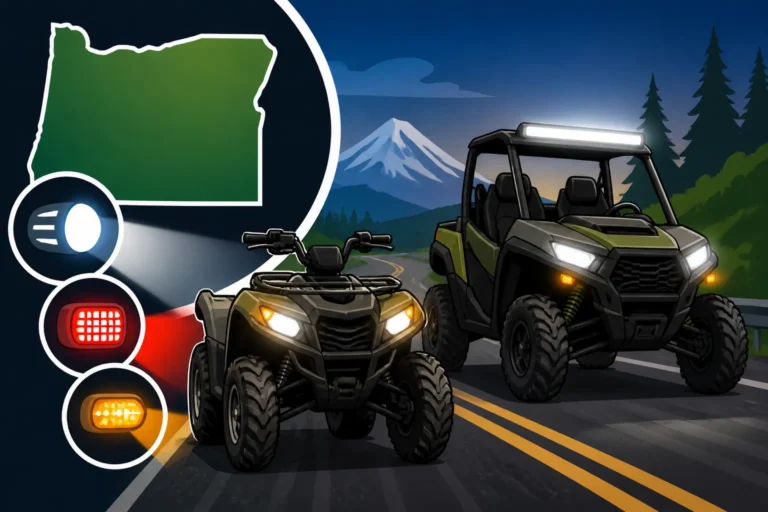
- "Street-Legal" Modifications for Class II Machines: For those few Class II machines that are truly highway-licensed (think custom sand rails that can be driven on regular roads), they must meet all Oregon Department of Motor Vehicles (DMV) requirements, including headlights, taillights, turn signals, mirrors, horn, and more. This is a niche category, and generally, youth are still subject to strict age and license requirements for operating these vehicles on public roads. Even then, most ATVs and UTVs are not designed or legally permitted for general street use in Oregon. [Oregon's Class II Street-Legal Exception] explains this unique category. For those looking to ensure their side-by-side has the best possible lighting or protection for family rides, companies like SuperATV offer a range of aftermarket accessories, from LED light bars for increased visibility on dusty forest roads to robust roll cages and windshields, enhancing both safety and compliance. These additions can be especially beneficial if you anticipate any crossover onto approved road segments.
Navigating Oregon's Designated ATV Highway Access Routes
This is where the concept of "road" truly gets specific for OHV use in Oregon. Most towns and cities do not permit ATVs or UTVs on their streets. However, Oregon has carved out two very specific exceptions: the towns of Lakeside and Sumpter. These are the state's only official [Oregon's Only Two Designated ATV Routes: Lakeside and Sumpter], allowing OHVs to operate on certain public roads to connect to trails or access local services.
Understanding Lakeside and Sumpter: The Two Exceptions
The designation of these routes is a big deal because it provides a legal framework for OHVs to use municipal roads, something almost unheard of elsewhere in Oregon.
- Lakeside: Located near the Oregon Dunes National Recreation Area, Lakeside's designated route allows riders to travel from staging areas to the dunes and access local businesses like gas stations and restaurants. It's a fantastic convenience for families spending a day or weekend riding the coast.
- Sumpter: This historic mining town in Eastern Oregon offers a similar setup, connecting riders from surrounding trails to town amenities. It's less about sand and more about forest and mountain trails.
It's vital to remember that "designated route" does not mean "free-for-all." These routes still have speed limits, often much lower than typical road speeds, and riders must adhere to all traffic laws, just like a car. Furthermore, the youth rider rules discussed previously (safety card, age, supervision, machine class) are still fully in effect on these designated routes. This isn't a loophole for younger, less experienced riders to hit the streets.
Practical Considerations for Family Rides on These Routes
If you plan to take your youth rider on the designated routes in Lakeside or Sumpter, here are some practical tips to keep everyone safe and legal:
- Know the Route: Before you go, study the map of the designated route. Stick to it religiously. Deviating, even by a block, can put you and your child in violation of local ordinances.
- Slow Down and Be Aware: These are shared roads. Expect pedestrian traffic, bicycles, and other vehicles. Emphasize to your child the importance of defensive riding, maintaining slow speeds, and being constantly aware of their surroundings.
- Visibility is Key: Ensure your child's machine is highly visible. Bright colored flags (especially on the dunes near Lakeside), working lights, and bright clothing for the rider are essential. Consider adding aftermarket mirrors or additional lighting to your machine, which can be found through suppliers like SuperATV, to boost visibility for everyone in your group.
- Supervision is Non-Negotiable: Even on a designated route, if your child requires adult supervision, ensure that adult is actively supervising. This isn't just riding in the same general area; it means being attentive and ready to assist.
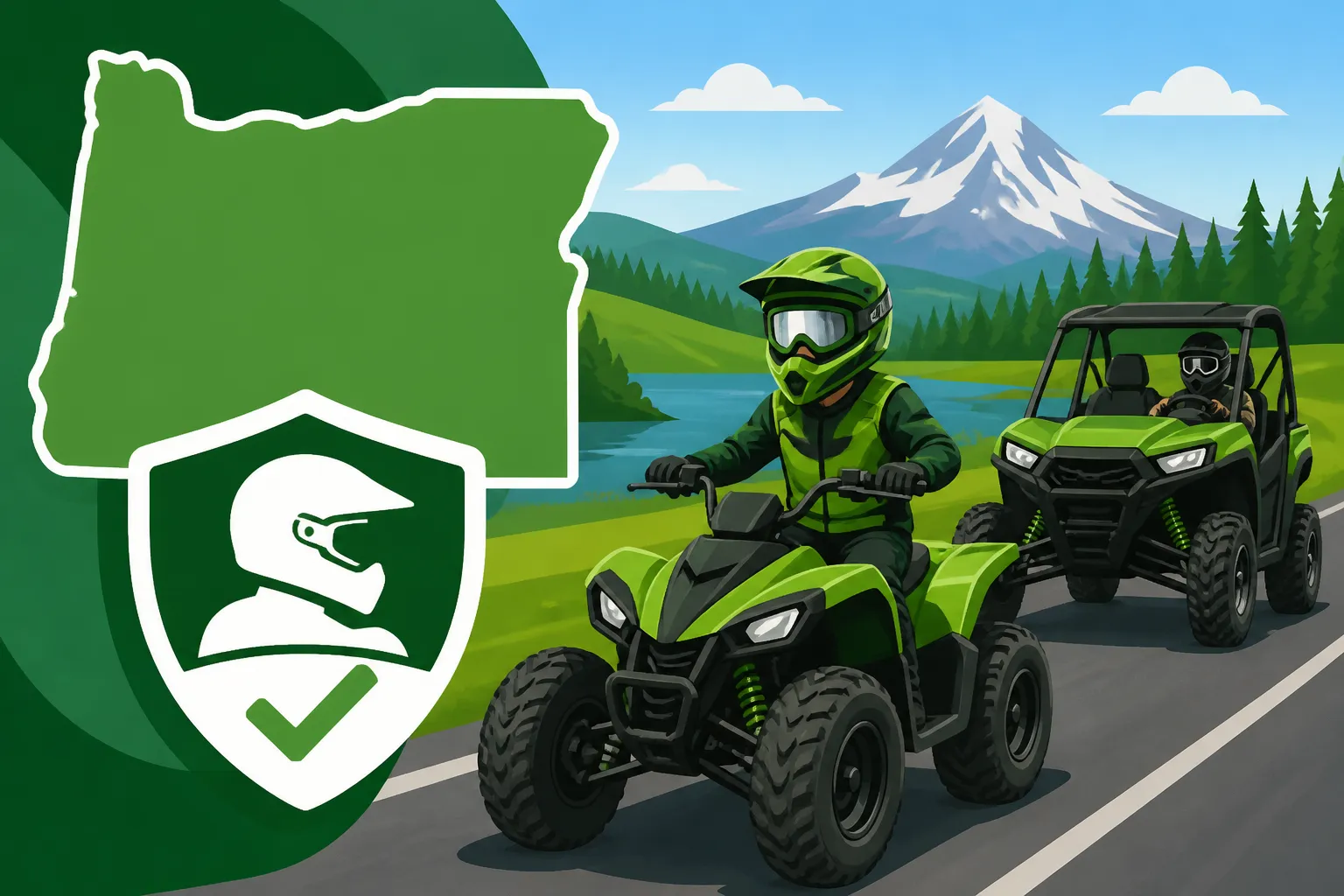
- Helmet and Gear Rules: The [Oregon Helmet Law for Riders Under 18] is strict: every rider under 18 must wear a DOT-approved helmet. Even for adults, it's highly recommended, especially when mixing with traffic on a road. Beyond helmets, appropriate riding gear—long sleeves, pants, gloves, over-the-ankle boots—is crucial for protection against road rash or other injuries. [Helmet Rules for a Teenager in a Caged Side-by-Side] further elaborates on specific enclosure situations.
Crucial Safety Measures Beyond the Law
While following the letter of the law is non-negotiable, true safety for youth riders on roads goes beyond mere compliance. It involves proactive measures, responsible parental guidance, and ensuring both the rider and the machine are prepared for the unique challenges of road-adjacent riding.
Equipping Your Young Rider: Helmets, Gear, and Machine Prep
Beyond the legal requirement of a helmet for those under 18, ensuring your child has the right safety gear and that their machine is properly set up is paramount.
- Full Protective Gear: A DOT-approved helmet is just the beginning. Your child should always wear eye protection (goggles or a face shield), sturdy over-the-ankle boots, long pants, a long-sleeved shirt, and gloves. This protects them from debris, sun, and potential abrasions in case of a fall.
- Machine Size and Maintenance: Ensure your child's ATV or UTV is appropriate for their size and skill level. A machine that's too powerful or too large can be incredibly dangerous. Before every ride, especially if you're venturing onto roads, perform a thorough pre-ride inspection. Check tires, brakes, lights, fluid levels, and ensure everything is in good working order. A breakdown on a road, even a quiet one, can be much more hazardous than on a trail.
- Visibility Enhancements: When riding on roads, visibility to other traffic is a major concern. Brightly colored machines, safety flags (especially in dune areas), and working headlights/taillights are critical. Consider adding reflective tape to the machine or your child's gear. For UTVs, upgrading to brighter LED headlights or adding light bars from reputable brands like SuperATV can significantly improve your presence on the road, making sure other drivers see your family.
Parental Responsibilities and On-Trail Guidance
As a parent, your role extends far beyond just ensuring legal compliance. You are the primary safety instructor and role model for your young rider.
- Lead by Example: Always wear your own protective gear, follow all rules, and ride responsibly. Your child will mimic your behavior.
- Start Simple, Progress Gradually: Don't throw your child onto a busy designated route if they've only ridden in your backyard. Start in very controlled, open environments and gradually introduce them to more complex terrain or shared-use areas only when their skills and confidence are solid.
- Constant Communication: Before, during, and after a ride, talk to your child about safety. Discuss potential hazards, what to do in different scenarios, and encourage them to speak up if they feel uncomfortable or encounter a problem.
- Know When to Say No: There will be days when conditions (weather, traffic, your child's mood or fatigue) are not ideal for riding, especially on a road. Don't push it. Your child's safety is always the priority, even if it means missing out on a planned ride.
- Be Patient and Positive: Learning to ride an OHV, particularly with the added complexity of road rules, takes time and practice. Offer encouragement, celebrate small victories, and be patient with mistakes. A positive learning environment fosters confidence and better skill development.
By combining strict adherence to Oregon's detailed regulations with proactive safety measures and engaged parental guidance, you can create memorable and safe riding experiences for your young adventurers, even on those limited, permitted roads. Remember, the goal is not just to ride, but to ride safely and legally, ensuring many more years of family fun on Oregon's diverse terrain.
| Requirement/Rule | Youth Under 7 | Youth 7-15 | Youth 16+ (No Driver's License) | Youth 16+ (With Driver's License) |
|---|---|---|---|---|
| Operate on Public Lands (including roads) | Generally NOT permitted | Yes, with restrictions | Yes, with restrictions | Yes, with restrictions |
| Oregon ATV Safety Card | N/A | Mandatory | Mandatory (Exempt if 16+ and licensed AND operating Class IV on road) | Recommended (Exempt if 16+ and licensed AND operating Class IV on road) |
| Adult Supervision | N/A | Mandatory (Adult 18+ with OHV card/DL) | Mandatory for Class I/III on road if no DL | Not mandatory (but always wise for new riders) |
| Class I (Quad) on Road | No | Yes (Safety Card, Supervision) | Yes (Safety Card) | Yes (Safety Card or DL exemption for Class IV) |
| Class III (Dirt Bike) on Road | No | Yes (Safety Card, Supervision) | Yes (Safety Card) | Yes (Safety Card or DL exemption for Class IV) |
| Class IV (Side-by-Side) on Road | No | No (Generally not permitted on designated routes/highways for under 16) | Yes (Safety Card for public lands; DL often required for designated routes) | Yes (Driver's License required for designated routes/highways) |
| Oregon ATV Operating Permit | N/A | Mandatory (on machine) | Mandatory (on machine) | Mandatory (on machine) |
| Mandatory Insurance (Class II only) | N/A | Yes (if Class II on road) | Yes (if Class II on road) | Yes (if Class II on road) |
| DOT-Approved Helmet | N/A | Mandatory | Mandatory | Mandatory (if under 18), highly recommended for all |
Disclaimer
This article is for general informational purposes only and does not constitute professional advice. Laws, prices and regulations vary by location and change over time. Consult a qualified professional for guidance on your specific situation.