Oregon Rules for Riding After a Storm Closure
It’s a scenario every Oregon ATV and UTV enthusiast knows all too well: you’ve got your weekend all planned out, the machine is prepped, the rig is hooked up, and then a major storm rolls through. Suddenly, the trails you were dreaming of riding are closed, leaving you wondering when – or if – they’ll ever reopen. This guide is here to help you navigate the often-confusing world of trail closures after a storm in Oregon, understand why they happen, how to find the most current information, and what to do when your favorite spots are shut down.
Understanding Oregon's Dynamic Landscape and Trail Closures
Oregon is a state of incredible natural beauty, offering everything from coastal dunes to high desert trails and dense forest systems. This diverse landscape, however, is also highly susceptible to the whims of Mother Nature. Heavy rain, high winds, and significant snowfall can rapidly transform a perfectly rideable trail into a hazardous mess, leading to necessary closures for public safety and resource protection. It's a huge frustration for riders who plan their precious free time around these activities, only to have them unexpectedly canceled.
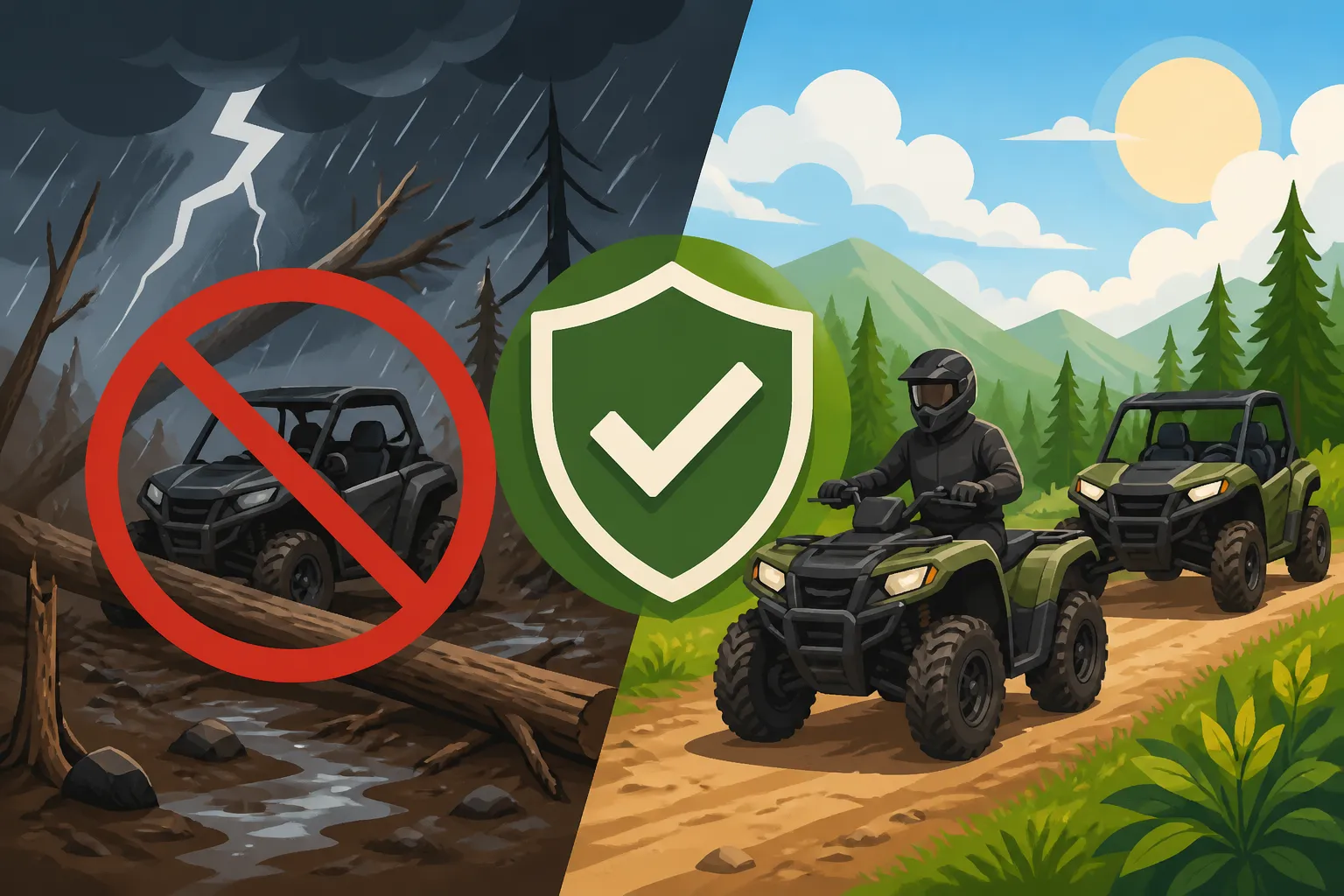
When a major weather event hits, the ground can become saturated, turning trails into slick, rutted mud bogs. Trees, weakened by wind or heavy snow, can come crashing down, blocking paths and creating dangerous obstacles. Erosion can wash out sections of trail, undermine bridges, or trigger landslides, making passage impossible or extremely risky. Agencies like the U.S. Forest Service, Bureau of Land Management, and the Oregon Parks and Recreation Department are tasked with managing these lands, and their primary concern is always the safety of visitors and the long-term health of the environment. While inconvenient, these closures are implemented with good reason. [Oregon Riding Seasons by Area] can give you an idea of typical weather patterns, but storms can always be an exception.
Common Reasons for Post-Storm Closures
Let's get specific about what kind of damage might warrant a closure. Imagine a winter storm dumping several feet of snow followed by a rapid thaw and heavy rainfall in the Coast Range. The ground becomes utterly saturated, and the weight of the water can cause widespread mudslides and washouts, obliterating sections of trail or making them impassable. Downed trees, known as "blowdown," are a huge problem in forested areas. Not just a single tree, but sometimes entire stands can come down, creating an impenetrable tangle across miles of trail. These aren't just minor inconveniences; they can hide sharp branches, expose roots, and make navigation treacherous.
Beyond the immediate obstacles, there are structural concerns. Small bridges or culverts can be washed away, leaving dangerous gaps. Slopes that were once stable might become precariously loose, increasing the risk of rockslides or further erosion. Riding on these damaged trails not only puts you at risk of injury or getting stranded but can also exacerbate the damage, leading to longer closure times and more extensive repair efforts. It’s important to respect these decisions, even when it means canceling your much-anticipated ride. You can learn more about specific weather impacts in [Oregon Trail Closures After Heavy Rain].
Who Makes the Call? Authorities and Their Jurisdictions
Understanding which agency manages your preferred riding spot is key to getting accurate information about closures. Oregon has a patchwork of land managers, each with their own protocols and communication channels.
- U.S. Forest Service (USFS): They manage National Forests like the Tillamook, Mount Hood, Deschutes, and Umpqua National Forests. These are vast areas, and closure decisions often come from individual Ranger Districts within the forest. Their websites usually have an "Alerts & Notices" section.
- Bureau of Land Management (BLM): The BLM manages various public lands across Oregon, including areas like the Millican Valley east of Bend and parts of the Alvord Desert. Similar to the USFS, their website is the primary source for information, often broken down by field office.
- Oregon Parks and Recreation Department (OPRD): This department manages Oregon State Parks and Recreation Areas, notably the popular Oregon Dunes National Recreation Area, which is partly managed by the USFS but heavily impacted by OPRD regulations. OPRD websites and specific dune area pages are crucial for updates here.
- Oregon Department of Forestry (ODF): ODF manages State Forests like the Tillamook State Forest. They often have their own alerts and conditions pages, sometimes focused on specific sections or trails.
Each of these agencies has its own staff who assess trail conditions after a storm. It’s not a quick process; it often involves physically inspecting miles of trails, marking hazards, and planning for cleanup and repair. The decision to close or reopen is made with careful consideration of safety, environmental impact, and the resources available for maintenance. Knowing which agency oversees your riding area, whether it's [Riding State Forest Land] or a BLM-managed OHV park, will streamline your search for updates.
How to Check for Current Trail Status and Reopenings
This is the golden ticket for any rider hoping to hit the trails after a storm: knowing where to get reliable, up-to-the-minute information. Nothing is more frustrating than driving hours to a staging area only to find a "CLOSED" sign. Making a few checks before you load up your machine can save you a ton of time, fuel, and disappointment. While it sometimes feels like information trickles out slowly, especially after widespread damage, there are several avenues you should explore. [Oregon Trail Closures to Check First] is always a good starting point for general advice.
Official Sources: Websites and Hotlines
Your absolute first stop should always be the official websites of the land management agencies. As mentioned earlier, this might involve checking a few different sites depending on where you plan to ride.
- US Forest Service (e.g., Willamette National Forest, Deschutes National Forest): Look for "Alerts & Notices," "Conditions," or "Recreation" sections. Many national forests have specific pages dedicated to OHV areas or popular trail systems. You might also find recorded hotlines for certain districts that provide automated updates.
- Bureau of Land Management (e.g., Prineville District for Millican Valley): Their websites are typically organized by district. Find the specific field office that manages your desired riding area and look for "Recreation," "Alerts," or "News" sections.
- Oregon Parks and Recreation Department (OPRD): For the Oregon Dunes, check the specific state park pages (like Jessie M. Honeyman State Park, which abuts the dunes) or the general OPRD recreation site. They often have dedicated pages for OHV recreation.
- Oregon Department of Forestry (ODF): For state forests like Tillamook, visit the ODF website and navigate to the specific forest unit.
The challenge here is that each site might look different, and navigating them can take some patience. Bookmark the relevant pages for your favorite spots. Remember, these sites are updated by human beings, so sometimes there's a delay between a trail inspection and the information appearing online. Don't be surprised if a reopening is announced but takes a day or two for the website to catch up. For instance, if you're planning a night ride, knowing the current conditions is doubly important, so check frequently. You can find more specific details on areas like [Oregon Riding Areas That Allow Night Riding].
Local Intel: Ranger Districts and Riding Communities
Beyond the official websites, there's a wealth of information to be gained from local sources. These can often provide the most current and granular details, sometimes even before official websites are updated.
- Call the Local Ranger District or Field Office: This is often the most direct way to get an answer. Find the phone number for the specific Ranger District that manages your intended riding area. They often have real-time information from their field crews. Be patient, as they can be swamped with calls after a major weather event.
- Social Media: Many individual Ranger Districts, State Parks, or BLM Field Offices have active Facebook pages or other social media accounts. They often post immediate updates, photos of trail conditions, and estimated reopening times. Following these pages can be invaluable.
- Riding Clubs and Forums: Oregon has a vibrant OHV community. Joining local riding clubs or participating in online forums and Facebook groups can provide excellent "boots on the ground" information. Other riders often post their experiences, photos, and news from their local contacts. Just be sure to verify any unofficial information with an official source if possible.
- Local Businesses: ATV/UTV dealerships, repair shops, and rental agencies in towns near popular riding areas (like those in Florence near the dunes or Bend near Millican Valley) are often plugged into the local scene. They want riders to visit, so they usually keep a close eye on trail conditions. A place that sells aftermarket accessories from brands like SuperATV might be a great source of local buzz, as their customers are always asking about trail status. If you're looking for riding spots near [Oregon Riding Areas Near Bend], asking local shops there could be very helpful.
Remember that while local intel is fantastic, always prioritize official closure notices. Someone might have ridden a small section of a trail, but that doesn't mean the entire system is safe or officially open.
Navigating Reopened Trails and Responsible Riding Post-Storm
So, you've done your homework, and the trails are officially open! That's fantastic news. But here's the crucial part: "open" doesn't always mean "back to normal." Riding after a storm, even on a reopened trail, requires an extra layer of caution and responsibility. The landscape can change dramatically, presenting new challenges and potential hazards that weren't there before. Your vigilance and preparedness will make all the difference for a safe and enjoyable ride.
Even if a trail is declared open, that doesn't necessarily mean it's been perfectly groomed and cleared. Sometimes, agencies will open a trail system with a warning that certain hazards may still exist or that maintenance crews are actively working. This is why it's so important to proceed with caution and be observant. Remember, staying on designated routes is more critical than ever, both for your safety and to prevent further damage to the recovering landscape. [Oregon Rules for Riding a Closed Trail] apply even if you think it might be open but haven't officially checked.
New Hazards and What to Watch For
The trails you knew before the storm might be significantly altered. Here are some things to keep a sharp eye out for:
- Hidden Debris: While major blowdown might be cleared, smaller branches, rocks, and other debris can still litter the trail, especially around turns or on descents. These can be tough on tires and suspension.
- Loose Rocks and Gravel: Heavy rain can dislodge rocks from hillsides or expose new rocky sections on trails that were previously smooth. These can cause loss of traction or damage your undercarriage.
- Fresh Mud Bogs and Potholes: Even if a trail has drained, new low spots can collect water, creating unexpected mud bogs or deep potholes. What looks like a shallow puddle could be a bottomless pit of muck.
- Erosion and Undermined Edges: Pay close attention to the edges of the trail, especially near drops or steep banks. Erosion can undermine the trail's foundation, making the edges unstable and prone to collapse under the weight of your machine.
- Working Crews: You might encounter trail crews or contractors still actively clearing debris, repairing structures, or performing maintenance. Give them ample space, slow down, and follow any directions they provide.
- Increased Water Crossings: Even after the rain stops, streams and creeks can remain swollen. Water crossings might be deeper or have faster currents than usual. Always check the depth and current before attempting to cross. For instance, after a winter storm, what was once a small stream could be a raging river, creating significant [Blowdown After a Winter Storm] downstream.
Gear, Machine Prep, and Trail Etiquette
Your preparation and riding style need to adapt to these post-storm conditions.
- Machine Inspection: Before you even leave home, give your ATV or UTV a thorough inspection. Check tire pressure, brakes, fluids, and ensure your winch (if you have one) is in working order. Mud and water can be brutal on machines, so ensure everything is sealed and protected. Consider upgrading vulnerable components with robust aftermarket parts from companies like SuperATV, known for their heavy-duty axles, A-arms, and skid plates, which can offer an extra layer of protection against unexpected trail hazards.
- Recovery Gear: Always carry a recovery strap, a shovel, and if possible, a winch. These are non-negotiable when riding potentially unstable or muddy trails. Even if you think you won't get stuck, someone else might, and being prepared means you can help.
- Appropriate Clothing: Expect mud, water, and possibly colder temperatures if the storm was recent. Layer up, and wear waterproof outer gear. A change of clothes for after the ride is always a good idea.
- Navigation: Carry physical maps and a GPS device in addition to your phone. Cell service can be spotty in remote areas, and storm damage might make familiar landmarks unrecognizable. Knowing [Keeping Paperwork in a Wet Climate] is essential for maps and permits.
- Ride with a Buddy: Riding solo after a major storm is generally not recommended. If you get into trouble, having a riding partner can be a lifesaver.
- Patience and Prudence: Don't push your limits or your machine's capabilities. If a section of trail looks too risky, turn back or find an alternative route. There's no shame in exercising caution.
- Leave No Trace: More than ever, pack out everything you pack in. Avoid widening trails by going around mud puddles; ride through them to keep the trail single-track. Report any significant new hazards or damage you encounter to the managing agency. This responsible behavior helps keep trails open for everyone.
Consequences of Disregarding Closures and Best Practices
It's tempting, especially when you've been itching to ride, to disregard a closure sign or try to "just check" if a trail is really closed. However, doing so carries significant risks, not just for you and your machine, but also for the environment and the future of OHV access in Oregon. Understanding these consequences is vital for every responsible rider. This isn't just about avoiding a ticket; it's about being a good steward of the land and ensuring these recreational opportunities remain available for years to come. [Oregon Fines for Riding a Closed Road] can be steep, so it's always better to comply.
The Risks of Riding a Closed Trail
The moment you venture onto a closed trail, you open yourself up to a host of problems:
- Legal Penalties: Riding a closed trail is often considered trespassing or a violation of land use regulations. This can result in hefty fines, your machine being impounded, or even more severe legal action depending on the extent of damage or the specific regulations of the managing agency. It's simply not worth the financial and legal headache.
- Environmental Damage: Closed trails are typically either unsafe or undergoing recovery. Riding on soft, muddy, or eroded trails causes significantly more damage than riding on dry, stable surfaces. You can create deep ruts, accelerate erosion, damage delicate ecosystems, and disrupt wildlife. This damage can take years and significant taxpayer money to repair, and it reflects poorly on the entire OHV community.
- Risk to Rescue Personnel: If you get stuck, injured, or lost on a closed trail, you put search and rescue teams at risk. They have to navigate the same hazardous conditions that led to the closure, potentially diverting resources from other emergencies.
- Damage to Your Machine: The hidden hazards on closed trails – unseen obstacles, deep mud, sharp debris – can cause serious damage to your ATV or UTV. Repairs can be expensive and time-consuming, cutting into future riding opportunities. Even heavy-duty aftermarket parts, such as those from SuperATV, while incredibly durable, aren't invincible against catastrophic impacts or being submerged in unknown depths.
- Loss of Access: Repeated instances of riders ignoring closures can lead land managers to implement stricter rules, longer closures, or even permanent bans on OHV access in certain areas. This affects everyone and diminishes the overall opportunities for legal riding in Oregon. It’s a collective responsibility to adhere to these rules. Going off a designated route, especially, can lead to these issues, as detailed in [Oregon Rules for Riding Off a Designated Route].
Planning for the Unexpected
Even with the best intentions and meticulous planning, unforeseen circumstances can arise. Being prepared for the unexpected is a hallmark of an experienced and responsible rider.
- Always Have a Backup Plan: Before you leave home, identify one or two alternative riding areas that are either less susceptible to weather closures or are managed by a different agency. If your primary destination is closed, having a Plan B can save your day.
- Pack Emergency Supplies: Beyond your standard recovery gear, always carry a first-aid kit, extra water, high-energy snacks, a full tank of fuel, and a way to signal for help (whistle, satellite messenger, fully charged phone with a power bank). Weather can change rapidly, and delays can extend your time on the trail.
- Inform Someone of Your Plans: Tell a trusted friend or family member exactly where you're going, your planned route, and when you expect to return. This way, if you don't check in, they know where to start looking.
- Monitor Weather Forecasts: Keep an eye on the weather not just for your home, but for your riding destination. A clear sky at home doesn't mean the mountain pass or coastal range is free of storms.
- Embrace Other Activities: If all your planned riding areas are closed, consider other ways to enjoy Oregon's outdoors. There are countless hiking trails, fishing spots, and scenic drives. Sometimes, a change of pace can be just as rewarding. You could even use the downtime to plan future adventures or explore [Camping at an Oregon OHV Area] for when conditions improve.
Remember, the goal is to enjoy the amazing OHV opportunities Oregon offers safely and responsibly. Respecting closures, protecting the environment, and being prepared are all part of the adventure.
| Agency Responsible | Typical Riding Areas Managed | How to Check for Closures | Notes for Riders |
|---|---|---|---|
| U.S. Forest Service | National Forests (e.g., Mt. Hood, Deschutes, Umpqua, Tillamook NF) | Official website "Alerts & Notices" or "Recreation" sections, local Ranger District phone numbers, social media | Often covers vast areas, check specific Ranger District for local updates. |
| Bureau of Land Management (BLM) | Public lands (e.g., Millican Valley, Alvord Desert) | Official website by Field Office (e.g., Prineville District BLM), local Field Office phone numbers | Information often found under "Recreation" or "News." |
| Oregon Parks & Recreation Dept. (OPRD) | State Parks & Recreation Areas (e.g., Oregon Dunes) | OPRD website, specific State Park pages, dune area recreation pages | Often coordinates with USFS for dune closures; check both. |
| Oregon Dept. of Forestry (ODF) | State Forests (e.g., Tillamook State Forest) | ODF website specific to the State Forest, local ODF district phone numbers | Watch for fire restrictions as well as storm closures. |
| Local County Authorities | Some county roads, smaller local parks | County public works or sheriff's office websites, local news, community social media groups | Less common for OHV trails, but important for access roads. |
Disclaimer
This article is for general informational purposes only and does not constitute professional advice. Laws, prices and regulations vary by location and change over time. Consult a qualified professional for guidance on your specific situation.