Oregon Rules for Riding a Snow-Covered Road
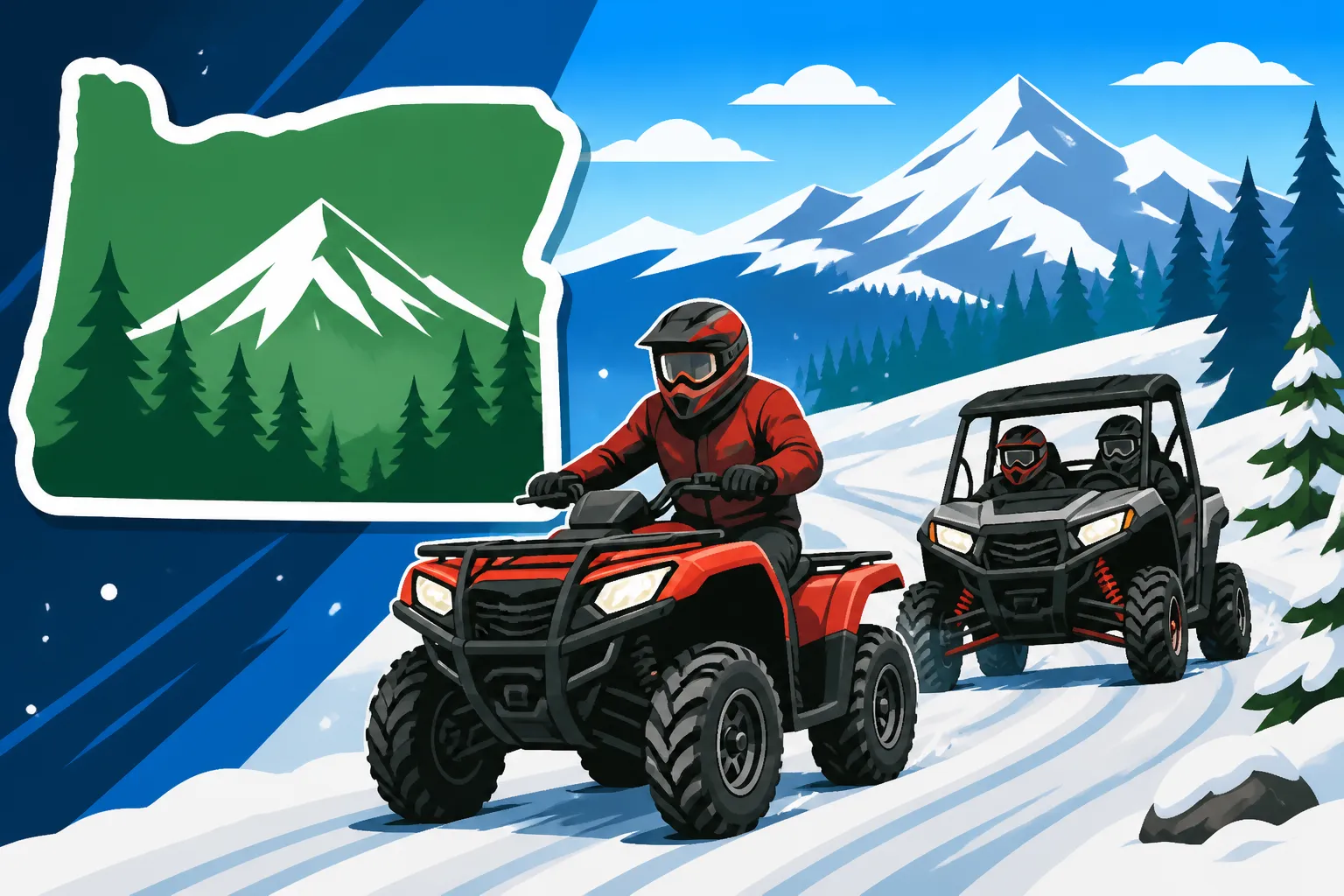
Picture this: a fresh blanket of snow, sparkling under a crisp Oregon sky, and you're itching to take your ATV or UTV out for a spin. But then the questions hit you like a flurry of snowflakes: can you even ride on those public roads when they're snow-covered? What are the rules? It's a common dilemma for riders who want to extend their season into winter, especially when the trails might be closed or inaccessible. This guide is here to clear up the confusion and help you understand the specific regulations for operating your off-highway vehicle on Oregon's snow-covered roads, so you can enjoy winter riding safely and legally, without facing unexpected fines or putting yourself at risk.
Understanding Oregon's Road Classifications in Winter
Before you even think about hitting a snow-covered road, it’s crucial to understand that not all roads are created equal in Oregon, especially when winter weather blankets them. The rules that govern ATV and UTV use can vary significantly based on whether you're on a designated OHV route, a county road, or a Forest Service road. Adding snow to the equation doesn't necessarily change the underlying classification of the road, but it can certainly impact accessibility, safety, and enforcement.
The Nuance of "Open" Roads in Snow
A road might be legally "open" to off-highway vehicles, but if it's covered in several feet of snow, it might be functionally closed or incredibly difficult to traverse. This distinction is important because while the law might permit you to be there, practical considerations and safety should always take precedence. You might encounter situations where plows haven't reached certain areas, or where snow depths make travel impossible for your machine, even if the road isn't explicitly marked as closed. Always check local conditions and closures before heading out, especially in higher elevations. [Oregon Trail Closures to Check First] is a good resource for understanding how and where to check.
It's also worth remembering that "snow-covered" can mean anything from a light dusting to impassable drifts. What might be a leisurely ride on a few inches of powder could become a serious recovery situation if you venture into deep, heavy snow that your machine isn't equipped to handle. Many riders make the mistake of assuming all snow is the same, leading to getting stuck far from help. This is where a little extra planning and assessment of the actual snow conditions can save you a lot of grief (and a tow bill!).
Distinguishing Between Road Types
Oregon has a patchwork of land management, and each agency — be it the Oregon Department of Forestry, the Bureau of Land Management (BLM), or the U.S. Forest Service — has its own set of rules and designations for roads under its purview. County roads are governed by local ordinances, and some counties have even designated specific roads for ATV use. [Riding a County Road in Grant County, Oregon] gives a good example of local rules. Even if a road is snow-covered, its fundamental classification as a forest road, county road, or other public thoroughfare remains, and so do the general rules for OHV access.
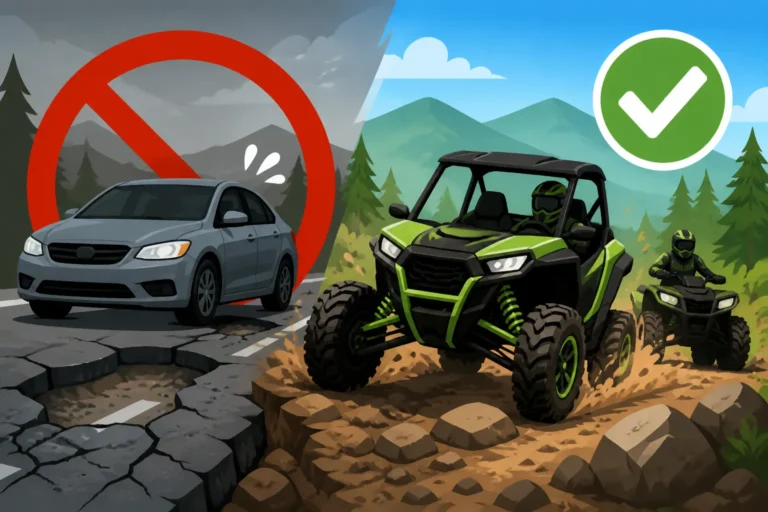
The key is to know which type of road you're on and whether OHV use is permitted on it in the first place, regardless of snow. For instance, many Forest Service roads are open to ATVs and UTVs, and snow merely adds another layer to that experience. Conversely, most paved state highways are off-limits to OHVs, snow or no snow, with only a few very specific exceptions like [Oregon's Only Two Designated ATV Routes: Lakeside and Sumpter]. Always consult maps from the relevant land management agency or county, paying close attention to any seasonal closures or restrictions that might be in effect, as snow often coincides with these.
General ATV/UTV Road Use Rules in Oregon
Even when a road is covered in snow, the baseline rules for operating an ATV or UTV on public roads in Oregon still apply. These aren't suspended just because it's winter; if anything, the cold and reduced visibility might make compliance even more critical for your safety and the safety of others. Ignoring these fundamental regulations can quickly turn a fun winter outing into a costly mistake.
Permits and Safety Cards
First and foremost, your machine needs to be properly permitted for off-highway use in Oregon, even if you’re just crossing or briefly using a public road to connect trails. This means having a current Oregon ATV operating permit decal displayed correctly on your machine. Without it, you're looking at a potential Class C traffic violation. [Oregon Permits Explained] in detail. For residents, it's a straightforward process, but if you're visiting from out of state, there are rules about reciprocity and when you'll need an Oregon permit. [Do Visitors Need an Oregon ATV Permit?] helps clarify that.
Beyond the machine itself, the operator also needs to meet certain requirements. In Oregon, almost everyone who operates an ATV or UTV on public lands, including those legally accessible snow-covered roads, must carry an Oregon ATV Safety Education Card. There are specific rules for riders under 16, but adults aren't exempt either. [Oregon ATV Safety Card Requirements] are pretty clear, and it's free to obtain, so there's really no excuse not to have one. A safety card ensures you understand the basic rules of the trail and road, which is even more vital when navigating challenging winter conditions.
Lighting and Visibility Requirements
Visibility is often significantly reduced in winter, whether due to falling snow, fog, or shorter daylight hours. Oregon law mandates specific lighting requirements for ATVs and UTVs when operating on public roads, and these requirements absolutely extend to snow-covered roads. You'll need at least one white headlight visible from 200 feet to the front and at least one red taillight visible from 200 feet to the rear. If you're out past dusk, at night, or in conditions of limited visibility, these lights are non-negotiable. [Oregon Lighting Requirements for Road Use] outlines everything you need to know.
Beyond the legal minimums, consider adding extra lighting for winter riding. Auxiliary LED light bars can vastly improve your ability to see and be seen, especially when snow absorbs light. Reflective tape on your machine and gear, and bright clothing, can also make a huge difference in low-light conditions or against a white snowy backdrop. Remember, you're not just looking out for yourself; you're also making sure other potential road users can spot you.
Helmets and Passenger Rules
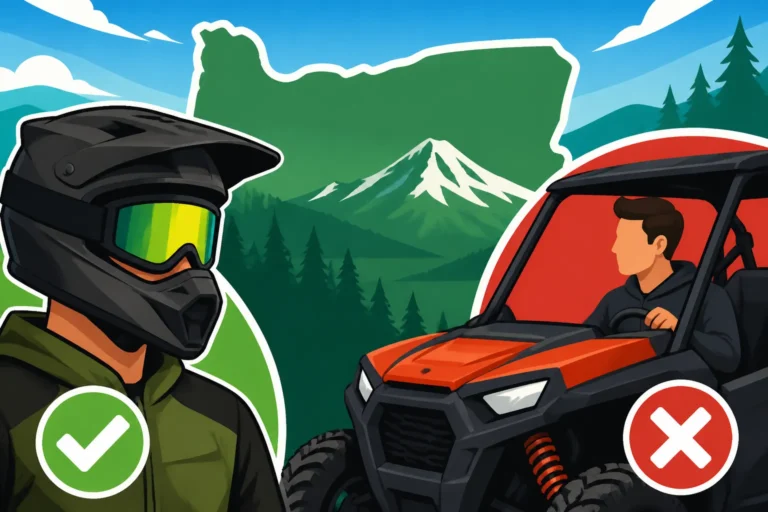
Oregon's helmet laws are strict for ATV and UTV riders, and snow does not grant an exemption. All riders and passengers under the age of 18 must wear a DOT-compliant helmet. For adults, the rules depend on the class of machine and whether it has an enclosed cab, but it's generally a wise idea to wear a helmet regardless of age or machine type, especially given the increased risks associated with winter riding. [Oregon Helmet Law for ATV Riders] details these requirements.
Passenger rules also remain constant. Generally, ATVs are designed for one rider unless specifically manufactured for two. Side-by-sides (Class IV machines) can carry passengers up to their manufacturer's rated capacity, but everyone needs to be properly seated with feet on footrests or within the vehicle's cage. Carrying extra passengers, or allowing them to ride in an unsafe manner, is illegal and incredibly dangerous, particularly on slick, snow-covered surfaces where control can be compromised. [Oregon Passenger Rules on a Quad] and [Oregon Passenger Rules in a Side-by-Side] provide the specifics.
Specific Considerations for Snow-Covered Roads
Riding on snow isn't just about adhering to the general rules; it requires extra precautions and a heightened awareness of the unique challenges posed by winter conditions. Even a road that's typically easy to navigate can become treacherous when blanketed in snow and ice.
Traction and Control
Snow and ice severely reduce tire traction, making it much harder to accelerate, brake, and steer. This is where having the right tires, often with aggressive tread patterns or even chains in some extreme circumstances, can be a game-changer. Driving techniques need to adapt significantly: slower speeds, gentler inputs on the throttle and brakes, and a greater awareness of potential slippage are all critical. A sudden turn or too much throttle can easily send your machine into a slide.
Consider the surface underneath the snow too. A smooth layer of fresh powder on a gravel road is one thing; hidden ice patches, frozen ruts, or slippery culverts underneath a thin layer of snow are another entirely. You might encounter sections that have melted and refrozen, creating black ice that's nearly impossible to see. Always assume the worst and drive defensively. If you're towing anything, like a small sled for gear, remember that it will further impact your traction and braking distance. [Oregon Rules for Towing With a Side-by-Side] generally apply, but the added challenge of snow cannot be overstated.
Road Closures and Access Restrictions
Just because a road has snow on it doesn't mean it's open for recreational riding. Many roads, especially in national forests or state parks, have seasonal closures that often coincide with snow accumulation. These closures are put in place for various reasons, including wildlife protection, preventing road damage, or simply because the roads become impassable and unmaintained. Riding past a clearly marked "Road Closed" sign, even if it's snow-covered, is a serious violation that can result in fines and other penalties. [Oregon Fines for Riding an Unopened Road] are no joke.
It's your responsibility to know if a road is open or closed, regardless of how much snow is on it. Check with the managing agency (Forest Service, BLM, county road departments) for current road status before you leave. Maps can sometimes be outdated, so always look for physical signage on the ground. Also, be mindful that a road might be open for certain types of vehicles (like snowmobiles) but not for ATVs or UTVs, or it might be open for residents but not recreational users during winter storms.
Environmental Impact and Courtesy
Riding on snow can have a different, but still significant, environmental impact. While mud might be the bigger concern in wetter seasons, improper riding on snow can still damage delicate vegetation hidden beneath the snowpack, especially in spring when the ground is soft and vulnerable. Avoid riding off designated routes and stick to the center of the road. This helps protect the underlying ground and prevents widening the road footprint.
Furthermore, you might encounter other winter recreational users: snowmobilers, cross-country skiers, or even snowshoers. Courtesy is key. Reduce your speed, give them a wide berth, and be mindful of your machine's noise. A loud exhaust system might be tolerated on some remote trails, but it can be particularly intrusive in quiet winter landscapes. Ensure your machine has a properly functioning spark arrester, which is always required on public lands. [Oregon Spark Arrester Requirement] is a rule that applies year-round. Being a considerate rider helps maintain positive relationships between different user groups and ensures continued access for everyone.
Essential Gear and Safety for Winter Riding
Winter riding adds layers of complexity and risk, meaning your gear and safety preparations need to be ramped up significantly. It's not just about comfort; it's about survival if something goes wrong far from help.
Personal Warmth and Survival Gear
Layering is your best friend in cold Oregon winters. Start with a moisture-wicking base layer, add insulating mid-layers (fleece or down), and top it with a waterproof and windproof outer shell. Don't forget waterproof gloves or mittens, warm socks, and insulated, waterproof boots. Hypothermia can set in quickly if you get wet or stranded. Always carry extra warm clothing, even if you don't think you'll need it.
Beyond clothing, a survival kit is non-negotiable. This should include:
- Navigation: A GPS device with downloaded maps (cell service can be spotty or nonexistent), a compass, and physical maps. [Oregon Trail Maps Worth Carrying] are essential.
- First Aid: A comprehensive kit, and knowledge of how to use it.
- Fire Starter: Waterproof matches, a lighter, and tinder.
- Shelter: An emergency blanket or tarp.
- Food and Water: High-energy snacks and extra water, even if it's cold, as dehydration can still occur.
- Tools: A multi-tool, tire repair kit, small shovel, and a tow strap.
- Communication: A fully charged phone (and portable charger), and consider a satellite messenger device for areas without cell service.
Machine Preparation and Maintenance
Your ATV or UTV needs special attention for winter riding. Check all fluids (oil, coolant, brake fluid) and ensure they are appropriate for cold temperatures. A full tank of gas is crucial, not just for riding, but also for running your machine for warmth if you get stranded. Ensure your battery is in top condition, as cold weather can drain power faster.
Equipping your machine for snow can make a world of difference. Winches are invaluable for self-recovery or helping others, and brands like SuperATV offer robust options that can pull you out of a tough spot. If you plan on clearing snow for access, a snow plow attachment can transform your UTV into a powerful workhorse. Check tire pressure, as lower pressure can sometimes increase flotation in soft snow, but be mindful of handling on harder surfaces.
Emergency Planning and Riding Buddies
Never ride alone in the winter backcountry, especially on snow-covered roads. A riding buddy or a group significantly increases safety. If one machine breaks down or a rider gets injured, there's someone there to help or go for assistance. Discuss your route and estimated return time with someone reliable before you leave, and stick to your plan.
Before you go, do a pre-ride inspection of your machine. Check brakes, steering, lights, and tires. Make sure your winch is functional if you have one, and that your recovery gear is easily accessible. Riding on snow is incredibly fun and rewarding, but it demands respect for the elements and thorough preparation. Remember that [Oregon DUI Rules for ATV Riders] still apply; cold weather is no excuse for impaired judgment. Being prepared not only keeps you safe but also ensures you can fully enjoy the unique beauty of Oregon's winter landscapes.
| Consideration | General Road Use (Snow-Free) | Snow-Covered Road Use |
|---|---|---|
| Permit & Safety Card | Required, clearly displayed. | Still required, no exceptions. |
| Lighting | Headlight/Taillight visible 200 ft (dusk/dark/low visibility). | Absolutely critical due to reduced visibility, consider auxiliary lights. |
| Helmets | Mandatory for under 18; recommended for all. | Mandatory for under 18; even more crucial for adults due to increased risk. |
| Traction | Generally good, depends on tire type and road surface. | Significantly reduced, requires aggressive tires/chains, slower speeds. |
| Road Conditions | Visible hazards like potholes, gravel, mud. | Hidden hazards like ice, frozen ruts, deep drifts. |
| Speed | Posted limits apply, adjust for conditions. | Much slower speeds required for safety and control. |
| Visibility | Typically clear, though dust can be a factor. | Often low due to falling snow, fog, short daylight. |
| Gear | Appropriate riding gear for comfort and protection. | Extensive warm, waterproof layers, full survival kit. |
| Company | Riding alone is common but not always advisable. | Highly recommended to ride with a buddy or group. |
| Environmental Impact | Adhere to designated routes, avoid sensitive areas. | Protect vegetation under snow, mindful of snowpack damage. |
Disclaimer
This article is for general informational purposes only and does not constitute professional advice. Laws, prices and regulations vary by location and change over time. Consult a qualified professional for guidance on your specific situation.