Plating a Class II Sand Rail for the Road
It's incredibly tempting to look at your awesome Class II sand rail, sitting there gleaming after a weekend of tearing up the dunes, and think, "Man, I wish I could just drive this thing down to the gas station." The idea of being able to cruise legally on public roads, maybe even through a small town on the way to the trails, is a huge draw for many Oregon off-road enthusiasts. But getting a sand rail, which is fundamentally an off-road machine, legally plated for street use in Oregon involves navigating a unique set of rules that can feel like trying to find solid ground in the shifting sands of the Oregon Dunes. This guide is here to help you understand the specific requirements and challenges of making your Class II sand rail street-legal.
Understanding Oregon's Class II Vehicle Designation
Before you even think about putting a license plate on your sand rail, it's crucial to understand why Oregon's vehicle classification system is so particular, especially when it comes to Class II machines. Most ATVs and UTVs fall into Class I, III, or IV, which are strictly off-road categories. Class II, however, is the unique outlier that opens the door to potential street legality. This distinction is where all the opportunity—and a lot of the confusion—lies for sand rail owners.
What Makes a Machine Class II in Oregon?
Oregon Revised Statute (ORS) 801.193 is where the rubber meets the road, so to speak, for Class II All-Terrain Vehicles. Unlike Class I ATVs, which are typically under 50 inches wide and designed for a straddle seat, or Class IV side-by-sides with bench seats, Class II encompasses a broader range of machines. These vehicles are characterized by features often found in more conventional automobiles, even if they are built for off-road performance.
Think about it this way: if your sand rail has a steering wheel instead of handlebars, and bucket seats or a bench seat rather than a straddle seat, it's likely headed toward Class II. The law also looks at overall width and dry weight. While many sand rails are custom-built, they often exceed the 50-inch width limit of a Class I and come with a dry weight under the 3,500-pound maximum for Class II. This classification is critical because it's the only one that allows for potential street registration. If your machine is technically a Class I or Class IV, no amount of modification will get it a license plate in Oregon. That's a hard stop right there. You might be interested in [Oregon's Class II Under ORS 801.193] for a deeper dive into this classification.
Why Class II is the Only Path to Street Legality
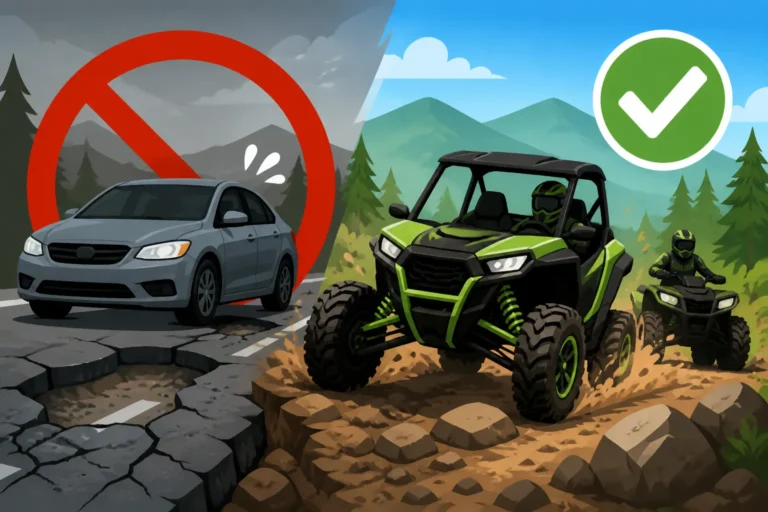
The simple truth is that Oregon's Department of Motor Vehicles (DMV) does not register or plate Class I, Class III (off-road motorcycles), or Class IV (side-by-sides) machines for road use. These vehicles are strictly for off-highway recreation, requiring an [Oregon's ATV Operating Permit] decal for public land use. The state differentiates these for safety and regulatory reasons, recognizing that an open-cockpit, high-performance sand rail built with a steering wheel and a more car-like control scheme could, with the right modifications, meet basic safety standards for low-speed road travel.
This distinction is often a point of frustration for riders with highly modified quads or side-by-sides who see Class II machines on the road. They often ask, "Why can't my machine be street legal?" The answer lies firmly in these statutory definitions. A Class II machine inherently possesses characteristics that make it more amenable to meeting road-going requirements, such as often having a full roll cage, seat belts, and a more conventional steering and braking system compared to a traditional ATV. For further clarity, understanding [Why Oregon's DMV Does Not Register ATVs] is essential.
The Hurdles and Requirements for Plating a Class II Rail
Even if your sand rail proudly falls into the Class II category, simply having the right classification doesn't mean you can slap a license plate on it tomorrow. There's a comprehensive checklist of modifications and paperwork you'll need to tackle to get it truly street-legal. This process can be time-consuming and costly, but for many, the freedom of driving their rail on the street is worth the effort.
Essential Equipment Modifications for Road Use
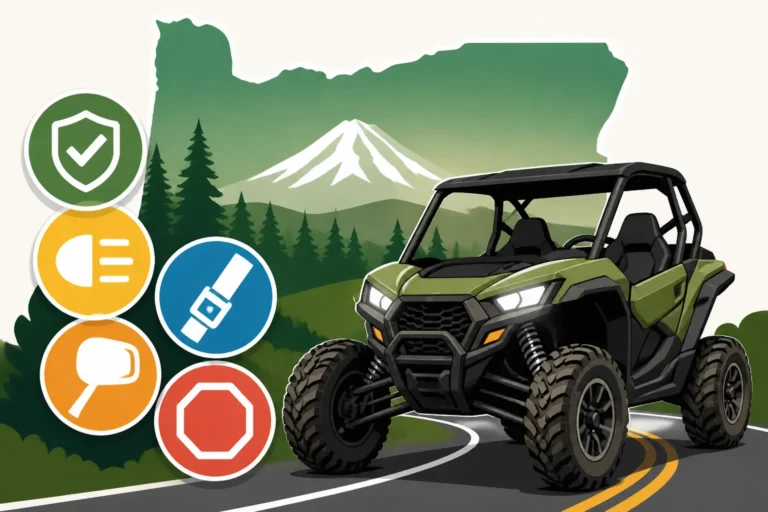
Converting an off-road sand rail to a street-legal vehicle is essentially about making it safe and visible to other road users, and compliant with all the same equipment laws as a regular car or truck. This often requires a significant investment in parts and labor.
First and foremost, you'll need a full lighting package. This means DOT-approved headlights (high and low beam), tail lights, brake lights, and turn signals for both front and rear. Many sand rails come with some basic lighting, but often not to the full DOT standard required for public roads. You'll also need a horn that's audible from at least 200 feet, and at least one rearview mirror, typically on the left side, though many opt for two for better visibility.
Beyond lighting, consider your windshield and wipers. While some rails might have a small wind deflector, a full, automotive-grade safety glass windshield with functional wipers will be required for sustained road use. Remember, visibility is key, especially in Oregon's often damp climate.
Tires are another big one. Those aggressive paddle tires or knobby off-road tires are fantastic in the sand or dirt, but they wear quickly and perform poorly on pavement. You'll need DOT-approved street tires that are appropriate for the weight and speed rating of your vehicle. Don't forget proper fenders or mud flaps to prevent throwing debris at other vehicles.
Lastly, a speedometer and odometer are necessary. Most off-road vehicles have a speedometer, but it might not be certified for road accuracy, and an odometer is essential for legal purposes like mileage reporting. Companies like SuperATV offer a wide range of accessories, from turn signal kits to mirrors and windshields, that can help bridge the gap between off-road performance and street legality. These aftermarket parts are designed with off-road vehicles in mind, making them a good starting point for your conversion.
The Paperwork Maze: Titling, Registration, and Insurance
Once your sand rail is equipped to meet the physical requirements, the bureaucratic journey begins. This is where many people get tripped up, as it involves both the Oregon Parks and Recreation Department (OPRD) for the off-road permit and the DMV for street registration.
First, you'll want to ensure your sand rail has a clear title. While [Titling an ATV in Oregon Is Optional] for off-road use, it becomes mandatory for street registration. If you bought your rail used and it never had an Oregon title, you'll need to go through the process of obtaining one. This usually involves proving ownership with a bill of sale and possibly a vehicle inspection to verify the VIN. [Oregon Title for a Machine Used Only Off-Road] might offer more insights here.
Next is the actual registration and plating with the DMV. You'll need to apply for a standard vehicle registration, presenting proof that your sand rail meets all the equipment requirements. This often involves a physical inspection by the DMV or a certified inspector to ensure all the necessary lights, mirrors, and safety features are in place and functioning correctly. Be prepared for this inspection to be thorough. They're looking for legitimate street-legal compliance, not just a bare minimum.
Crucially, Class II machines that are registered for road use are subject to mandatory insurance requirements. This isn't just a good idea; it's the law. You will need to carry proof of liability insurance, just like you would for any car. Without it, you cannot legally register or operate your sand rail on public roads. [Insurance and Oregon Class II Machines] is a vital read for this part of the process.
It's also worth noting that even with a plate, your sand rail still needs its off-road operating permit if you intend to use it on designated OHV trails or dunes. The street plate allows you to drive to those areas, but the off-road permit covers your recreational use once you get there.
Real-World Considerations and Challenges
Making your sand rail street-legal is a significant undertaking, and it's not without its ongoing challenges and practical considerations. The reality of driving a modified off-road vehicle on public roads can be quite different from the dream.
Where You Can Legally Ride and Helmet Requirements
Even with a shiny new license plate, your street-legal Class II sand rail isn't a free pass to drive anywhere and everywhere. Oregon has specific rules about where these types of vehicles can operate. While you can use them on general public roads, don't expect to cruise down the interstate at 70 mph. Many Class II machines, especially sand rails, are not designed for sustained highway speeds and may not be deemed safe for such operation by law enforcement.
Focus your road use on lower-speed county roads, local streets, and to access trailheads or staging areas. Some Oregon counties and towns have specific ordinances regarding ATV/UTV use on their roads, so always check local regulations. Oregon does have a few designated [Oregon's Only Two Designated ATV Routes: Lakeside and Sumpter] where you can legally ride ATVs through town, but these are exceptions, not the rule. Your street-legal sand rail could utilize these, but your permit is still required for OHV park use.
Regarding helmets: Oregon's helmet law requires all ATV riders and passengers under 18 to wear a DOT-compliant helmet. For adults, if your Class II sand rail has a full roll cage and occupant restraints (like seatbelts), and meets the definition of an enclosed cab, you might be exempt from the helmet law while operating on public roads. However, this is a nuanced area, and local law enforcement interpretation can vary. Many riders, even those technically exempt, choose to wear a helmet for added safety, especially given the open nature of most sand rails. It's crucial to consult [Oregon Helmet Law for Adults] to ensure you understand the rules.
| Feature | Typical Off-Road Sand Rail (Class II) | Street-Legal Class II Sand Rail Conversion |
|---|---|---|
| Primary Use | Dunes, trails, off-road recreation | Road travel, access to OHV areas |
| Lighting | Basic headlights/taillights, no signals | DOT-approved headlights (high/low), taillights, brake lights, turn signals, license plate light |
| Mirrors | Optional, often small | At least one DOT-approved rearview mirror (usually driver's side), recommended two |
| Horn | Optional, often air horn | Audible from 200 feet |
| Windshield/Wipers | None or small deflector | Automotive-grade safety glass windshield with functional wipers |
| Tires | Paddle tires, aggressive knobbies | DOT-approved street tires |
| Fenders/Mud Flaps | Minimal | Required to prevent debris throw |
| Speedometer/Odometer | Speedometer, odometer often absent | Functional, accurate speedometer and odometer |
| Title | Optional | Mandatory for street registration |
| Registration | Off-road permit decal (OPRD) | Street registration and license plate (DMV) |
| Insurance | Optional | Mandatory liability insurance |
| Helmet Requirement (Adult) | Always recommended | May be exempt with enclosed cab, but always recommended |
| Cost | Purchase + off-road permit | Purchase + significant modification costs + registration + insurance |
The Ongoing Costs and Maintenance
Once you've made the investment to transform your sand rail into a street-legal machine, the costs don't stop there. Just like any other registered vehicle, you'll have ongoing expenses. Annual registration fees with the DMV, mandatory insurance premiums, and regular maintenance for components that will now see more diverse operating conditions all add up.
Driving on pavement places different stresses on your machine than off-road use. Your engine might run hotter, your suspension will experience different loads, and your street tires will wear down. Regular inspections to ensure all your street-legal equipment remains functional and compliant are a must. A burned-out headlight or a non-functioning turn signal isn't just an inconvenience; it can lead to a traffic stop and a citation.
You'll also want to consider the potential for wear and tear. Sand rails are built tough, but they aren't typically designed for the sustained speeds and conditions of road travel. While quality aftermarket parts from brands like SuperATV can significantly improve the longevity and safety of your conversion, you still need to be realistic about the machine's intended purpose. Keep up with your regular maintenance, and always prioritize safety when mixing your off-road fun with public road travel.
The journey to plating a Class II sand rail for the road in Oregon is complex, but for those dedicated enough, it opens up new avenues for enjoying their machines. Just remember that patience, thoroughness, and a deep understanding of Oregon's specific laws are your best companions on this unique adventure.
Disclaimer
This article is for general informational purposes only and does not constitute professional advice. Laws, prices and regulations vary by location and change over time. Consult a qualified professional for guidance on your specific situation.