Insuring a Street-Legal Rail
You’ve put in the work to get your beloved sand rail, dune buggy, or even a modified side-by-side legally ready for Oregon’s designated public roads. That journey often involves navigating through special titling, registration, and inspection processes to ensure it meets the criteria for a street-legal Class II machine. It's a huge accomplishment, and you're probably eager to hit the pavement for those quick trips to the store or connecting trails. But before you fire it up and merge into traffic, there’s a crucial — and often confusing — final step: getting the right insurance. This guide will cut through the uncertainty and help you understand exactly what’s needed to insure your street-legal rail in Oregon, so you can ride with confidence and peace of mind.
Why Insurance for a Street-Legal Rail is Different in Oregon
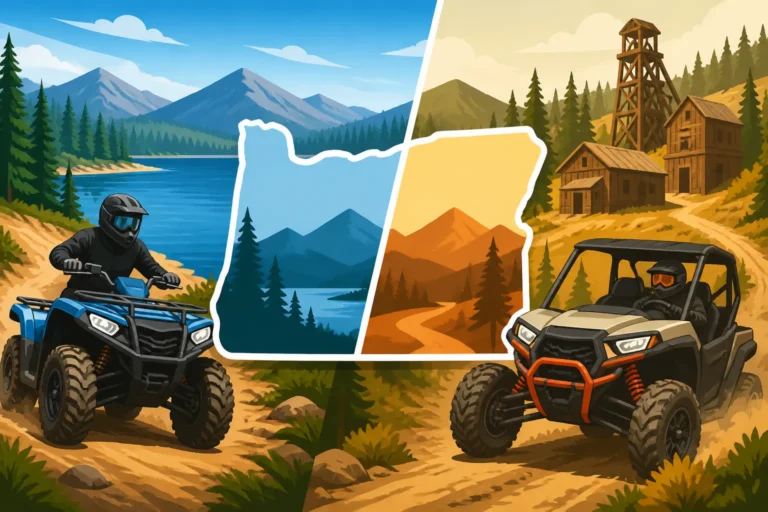
When we talk about off-road vehicles, many folks in Oregon are familiar with the basic ATV Operating Permit. That permit, while vital for legal off-road recreation, doesn't require specific insurance for the machine itself, although it's always a good idea to have some coverage for liability when you're out on the trails. But when your machine steps onto public paved roads, even those few designated [Oregon's Only Two Designated ATV Routes: Lakeside and Sumpter], the rules change dramatically. Your rail transforms from a recreational vehicle into a street-legal motor vehicle in the eyes of the law, and with that comes a whole new set of responsibilities, particularly regarding insurance.
The Unique Classification of Street-Legal Rails
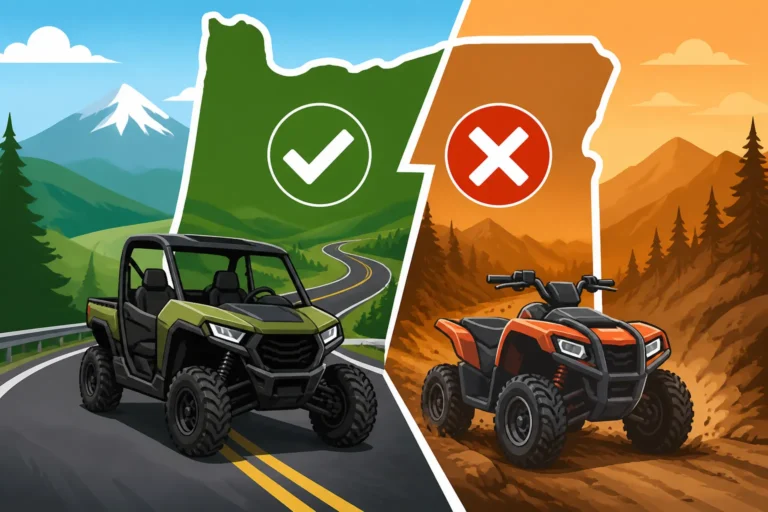
Here in Oregon, the classification of your off-road machine is absolutely everything, and it directly impacts your insurance requirements. Most traditional quads fall under Class I, and off-road motorcycles are Class III. Side-by-sides typically fall under Class IV. However, your street-legal sand rail or dune buggy almost certainly qualifies as a Class II all-terrain vehicle. [Oregon's Class II Under ORS 801.193] defines these vehicles, and the key takeaway is that they are built or modified for both on-road and off-road use. This distinction is paramount because Class II machines are the only off-road vehicle category in Oregon that can be legally registered and driven on public roads (under specific circumstances and with the right modifications, of course). This unique legal standing is why they, unlike their off-road-only cousins, face mandatory insurance requirements.
Many enthusiasts who pour countless hours and dollars into customizing their rails, adding performance parts, lights, or even a full roll cage from a company like SuperATV, might not realize the insurance implications until they try to get it registered. It's not just about meeting the physical requirements for mirrors, turn signals, and headlights; it's about fulfilling the financial responsibility that comes with operating a road-going vehicle. This fundamental difference is often the first hurdle many street-legal rail owners encounter, moving from a world where insurance was optional for the machine to one where it's absolutely non-negotiable for road use.
Beyond the Basic OHV Permit
You probably already know about the [Oregon's ATV Operating Permit] if you ride off-road in this state. That permit is inexpensive and covers a two-year period, allowing you to legally operate your ATV, UTV, or dirt bike on designated public lands. But that permit is for off-road use only. It doesn't allow you to drive on public roads, and it doesn't come with any insurance requirements. When you take the significant step of getting your rail [Registering a Street-Legal Class II in Oregon], you're essentially telling the state that this machine is now capable of sharing the road with cars, trucks, and motorcycles.
This transition from an off-road-only machine to one that can be registered for street use moves it into a different legal realm. The rules for on-road vehicles are designed to protect everyone sharing the public roadways. If you were to get into an accident on a public road with your street-legal rail and didn't have insurance, the financial consequences could be catastrophic. The state recognizes this, which is why the insurance requirements for Class II machines are so stringent. It's a way of ensuring that if something unfortunate happens, there's a mechanism in place to cover damages and injuries, rather than leaving victims in a difficult financial bind. Think of it as the ultimate step in legitimizing your awesome machine for a broader range of adventures, but with added layers of responsibility.
Understanding Oregon's Mandatory Insurance for Class II Machines
This is where the rubber truly meets the road, quite literally. Unlike ATVs used exclusively off-road, your street-legal sand rail, because it's classified as a Class II machine, is subject to Oregon's mandatory motor vehicle insurance laws when operated on public roads. There's no getting around this requirement, and understanding it is critical to staying legal and protected.
The "Compulsory" Rule for Road Use
Oregon law is crystal clear: if your Class II all-terrain vehicle is registered for street use and you intend to drive it on any public road, it must have liability insurance. This isn't just a recommendation; it's a legal mandate. The state’s motor vehicle code, specifically regarding what are often categorized as motorcycles or passenger vehicles for insurance purposes (and your Class II rail fits into a similar bucket for this requirement), requires continuous financial responsibility. [Mandatory Insurance on Every Oregon Class II] is not just a polite suggestion; it's the law.
This means before you even think about backing out of your driveway and onto a county road or crossing a highway, you need to have an active insurance policy that meets Oregon's minimum coverage limits. The purpose of this compulsory insurance is to provide a safety net. It ensures that if you, as the operator of your street-legal rail, are found at fault in an accident on a public road, there will be funds available to cover the medical expenses of injured parties and the property damage to other vehicles or property. This is a fundamental aspect of operating any registered motor vehicle in Oregon, and your unique Class II machine is no exception.
Minimum Coverage Requirements
Oregon sets specific minimum liability coverage amounts that all drivers, including those of street-legal Class II machines, must carry. These minimums are usually broken down into three figures: bodily injury liability per person, bodily injury liability per accident, and property damage liability per accident. While these figures can change over time, they are typically structured to ensure basic protection. It's crucial to check the Oregon DMV website or consult with an insurance agent for the most current minimums.
It's tempting to opt for only the minimum required coverage to save a few dollars on premiums, and many people do. However, for a unique vehicle like a street-legal sand rail, and considering the potential for significant damage or injury in an accident, sticking solely to the state minimums might leave you exposed. Modern medical costs and vehicle repair expenses can quickly exceed these minimums, leaving you personally responsible for the difference. While the state mandates the minimum, a savvy owner of a valuable machine like a rail, especially one with custom parts (perhaps even a heavy-duty bumper or rock sliders from SuperATV), often chooses to carry higher limits to protect their assets and future earnings. It’s always a good idea to consider your personal financial situation and risk tolerance when deciding on coverage amounts.
What Happens If You Don't Have It
Operating your street-legal rail on a public road without the mandatory insurance in Oregon is a serious offense, and the consequences can be severe. It’s not just a minor infraction; it can lead to significant financial penalties and legal headaches. If you're pulled over or involved in an accident and cannot provide proof of insurance, you could face substantial fines. Beyond the immediate fine, your driving privileges could be suspended, and your vehicle might even be impounded. Imagine the hassle and expense of getting your prized rail out of impound!
Furthermore, if you cause an accident while uninsured, you are personally liable for all damages and injuries. This means you could be sued for medical bills, lost wages, vehicle repairs, and even pain and suffering, potentially leading to a financial disaster that could impact you for years. This is a far cry from the penalties for simply not having an [Oregon's ATV Operating Permit] when riding off-road, which typically results in a Class C traffic violation. The risks associated with not having insurance on a street-legal rail are simply too high to ignore. It’s a gamble that’s never worth taking, especially when you consider the investment you've already made in your machine.
What to Look For in a Street-Legal Rail Insurance Policy
Once you understand that insurance is mandatory, the next step is figuring out what kind of policy best fits your needs. While liability is the legal requirement, a comprehensive policy offers far more protection for your valuable investment and peace of mind.
Beyond Liability: Protecting Your Investment
While Oregon law requires liability coverage, which protects others if you're at fault in an accident, it does very little to protect your own street-legal rail. Many rail owners invest a significant amount of money and personal effort into building and customizing their machines. To truly safeguard that investment, you'll want to look beyond basic liability and consider additional coverage types:
- Collision Coverage: This pays for damages to your own rail if it collides with another vehicle or object, regardless of who is at fault. Given how unique and potentially expensive repairs can be for a specialized machine, collision coverage is almost a must-have.
- Comprehensive Coverage: This protects your rail from non-collision events, such as theft, vandalism, fire, natural disasters (like a tree falling on it), or even hitting an animal. If you trailer your rail frequently, or if it sits for periods, comprehensive coverage provides essential protection against a wide range of misfortunes that aren't related to driving accidents.
- Uninsured/Underinsured Motorist (UM/UIM) Coverage: This is incredibly important. Despite mandatory insurance laws, many drivers unfortunately operate without insurance or with insufficient coverage. UM/UIM protects you and your rail if you're hit by a driver who either has no insurance or not enough to cover your damages and medical bills. In a state where you might be sharing roads with all sorts of vehicles, this coverage offers a vital layer of protection.
Considering the unique nature and often high value of street-legal rails, choosing these additional coverages is a smart move. You've worked hard to get your machine on the road; ensure it's properly protected from unexpected events.
Specialized Coverage Considerations
Because street-legal rails are a niche vehicle, there are a few specialized coverage options you might want to explore with your insurance provider. These can make a big difference, especially if your rail is heavily modified or used in specific ways.
- Custom Parts and Equipment Coverage: This is a big one for rail owners. Most sand rails are far from stock. If you've invested in a performance engine, specialized suspension, custom seats, lighting packages, or heavy-duty protection from a brand like SuperATV, these additions significantly increase the value of your machine. A standard policy might only cover the vehicle at its factory value. You'll want to ensure your policy includes specific coverage for custom parts and accessories, and that the coverage limit is high enough to replace them if they're damaged or stolen. Make sure to document all your upgrades with photos and receipts.
- Agreed Value vs. Actual Cash Value: For highly customized or vintage rails, an "agreed value" policy can be beneficial. With this, you and the insurer agree on the value of your rail when you purchase the policy, and that's the amount you'll receive if it's a total loss. This is often better than "actual cash value," which pays out the depreciated value at the time of loss, which might not reflect the true cost of rebuilding a unique rail.
- Roadside Assistance and Towing: Given that many rails might not be ideal for long-distance road trips, roadside assistance and towing coverage can be a lifesaver. If you break down on a paved road, getting a specialized vehicle like a rail towed can be challenging and expensive.
- Off-Road Use Riders: While your primary concern here is street legality, your rail will undoubtedly still see off-road action. Confirm with your insurer that your policy extends to cover off-road use, even if it's primarily an on-road policy. Some policies might have exclusions for certain types of off-road activity or specific locations, so clarifying this upfront is essential.
Talking through these options with an agent who understands powersports insurance can help you tailor a policy that truly covers all aspects of your rail's use and value.
Comparing Providers
Finding the right insurance for a street-legal rail isn't always as straightforward as getting a quote for your family sedan. Not all insurance companies are equally experienced or equipped to handle these specialized vehicles. It's often beneficial to seek quotes from a variety of sources:
- Major National Insurers: Many large insurance companies offer policies for motorcycles, ATVs, and UTVs, and some can extend coverage to street-legal Class II machines. They often have competitive rates and broad service networks.
- Specialized Powersports Insurers: There are insurance companies that focus specifically on powersports vehicles, including custom builds and unique machines like sand rails. These insurers may have a deeper understanding of the risks and values associated with your rail and might offer more tailored coverage options, including custom parts coverage.
- Local Independent Agents: An independent insurance agent can be a valuable resource. They work with multiple insurance companies and can shop around on your behalf to find the best coverage and rates for your specific situation. They also often have local knowledge of specific requirements, like those needed for [Titling and Registering a Street-Legal Rail].
When comparing quotes, don't just look at the price. Carefully examine what each policy covers, the deductibles, the limits, and any exclusions. A slightly more expensive policy with better coverage for custom parts or higher liability limits could save you a tremendous amount of money and stress in the long run.
Here's a quick comparison of typical coverage types for your street-legal rail:
| Coverage Type | What It Covers | Why It's Important for Your Rail |
|---|---|---|
| Liability | Damages and injuries you cause to others in an at-fault accident | Mandatory in Oregon for street-legal Class II machines; protects your assets from lawsuits. |
| Collision | Damage to your own rail from a collision with another object or vehicle | Essential for repairing or replacing your rail if you're in an accident, regardless of fault. |
| Comprehensive | Damage to your rail from non-collision events (theft, fire, vandalism, etc.) | Protects your investment from a wide range of misfortunes beyond driving, especially if stored or trailered. |
| Uninsured/Underinsured Motorist | Damages and injuries if you're hit by an uninsured or underinsured driver | Crucial protection against drivers who don't carry adequate insurance, common on public roads. |
| Custom Parts & Equipment | Added value of aftermarket modifications and accessories | Critical for rails with extensive upgrades (e.g., from SuperATV); ensures your modifications are covered, not just stock value. |
| Roadside Assistance | Towing and roadside help if your rail breaks down | Helpful for unexpected breakdowns, as specialized towing for unique vehicles can be costly and difficult to arrange. |
Getting a Quote and What Information You'll Need
Once you've done your research and identified potential insurers, the next step is to gather your information and get some quotes. Being prepared with the right details will make the process smoother and ensure you get accurate pricing.
Essential Details for Your Insurance Agent
When you contact an insurance agent or go through an online quote process, they'll need quite a bit of information about you and your street-legal rail. Having these details handy will save you time and potential frustration:
- Your Personal Information: Standard stuff like your full name, address, date of birth, and driver's license number. Your driving record will be a significant factor in your premium, so be prepared for them to check it.
- Vehicle Identification Number (VIN): This unique 17-character code is crucial for identifying your specific rail. It's usually stamped on the frame or chassis.
- Make, Model, and Year: Even if it's a custom build, you'll need to provide the original manufacturer's information if available, or describe it as a custom-built sand rail, dune buggy, or [Oregon ATV Permit for a Sand Rail].
- Modifications and Upgrades: This is especially important for rails. Be thorough in listing any significant aftermarket additions that add value or alter performance. This includes engine modifications, suspension upgrades, custom cages (perhaps from SuperATV), specialized tires, lighting, winches, sound systems, and any other expensive accessories. Provide receipts or estimates if possible, as this helps establish the rail's insured value.
- Intended Use: Be honest about how you plan to use your rail. Will it be primarily for recreational off-road use with occasional road connections, or will it see more consistent road time? Will it be trailered frequently?
- Storage Location: Where will the rail be stored when not in use? A secure, enclosed garage might result in lower premiums than an open carport or driveway.
- Safety Features: Mention any safety features like roll cages, seat belts, fire extinguishers, or other protective measures you've installed.
The more detailed and accurate information you provide, the better equipped your insurance agent will be to find the right policy and provide you with an accurate quote. Don't gloss over the modifications; they're a key part of your rail's value and unique identity.
Tips for Lowering Your Premiums
While insuring a specialized vehicle like a street-legal rail might seem expensive, there are often ways to reduce your premium without compromising essential coverage. Every little bit helps, especially when dealing with the costs associated with owning and operating these machines.
- Maintain a Clean Driving Record: This is probably the biggest factor. A history of safe driving, both on and off-road (if applicable to your driver's license record), will almost always lead to lower insurance rates. Avoid traffic violations and at-fault accidents.
- Take a Safety Course: Even if you're an experienced rider, completing a certified ATV or motorcycle safety course might qualify you for a discount. While the [Oregon ATV Safety Education Card] is specifically for off-road operation and often required for younger riders, taking a hands-on course demonstrates a commitment to safety that some insurers recognize.
- Bundle Policies: If you already have car insurance, home insurance, or life insurance with a particular company, inquire about multi-policy discounts. Many insurers offer significant savings when you bundle multiple policies with them.
- Choose a Higher Deductible: A deductible is the amount you pay out-of-pocket before your insurance kicks in. Choosing a higher deductible typically lowers your premium. Just make sure it’s an amount you’re comfortable paying if you need to file a claim.
- Install Anti-Theft Devices: If your rail has a tracking device, alarm system, or other anti-theft measures, be sure to inform your insurer. These can sometimes lead to discounts, as they reduce the risk of theft.
- Inquire About Low Mileage Discounts: If your street-legal rail is primarily a weekend warrior and won't be racking up thousands of road miles each year, some insurers might offer a low mileage discount.
Ultimately, insuring your street-legal rail in Oregon is a necessary step that ensures you’re protected and compliant with the law. By understanding the unique requirements for Class II machines, exploring comprehensive coverage options, and diligently comparing providers, you can find a policy that provides both peace of mind and financial security for your adventures on Oregon’s roads and trails.
Disclaimer
This article is for general informational purposes only and does not constitute professional advice. Laws, prices and regulations vary by location and change over time. Consult a qualified professional for guidance on your specific situation.