Roads Inside Millican Valley
Cruising through the stunning high desert landscape of Millican Valley near Bend, Oregon, in your ATV or UTV is an incredible experience, but the network of roads can sometimes feel like a confusing maze. You want to explore, but you also want to be sure you’re riding legally and safely. It's a common frustration to see a tempting dirt road winding into the distance and wonder if it's open to your machine, if you need a specific permit, or what rules might apply. This guide is here to untangle the complexities of riding the various roads within Millican Valley, ensuring your next adventure is stress-free and fully compliant with Oregon's regulations.
Understanding Millican Valley's Road Network
Millican Valley isn't just one big, uniform chunk of land. It's a mosaic of different jurisdictions and land management types, which directly impacts the rules for riding on its roads. Many riders assume "off-road" means all roads are fair game, but that's not quite the case. Getting a handle on who manages what is the first step to a smooth ride.
The Mix of Roads: Forest Service, BLM, and County Routes
When you're out in Millican Valley, you're primarily on Bureau of Land Management (BLM) land, but you might also find yourself on roads maintained by the U.S. Forest Service or even some county-maintained gravel roads that cut through the area. Each of these entities can have slightly different guidelines, even if the overarching Oregon state laws apply to all of them. BLM and Forest Service roads are generally designed for resource management (like timber or grazing) and public access to recreational areas. County roads, while often gravel or dirt, are still part of the public road system and are usually maintained for general vehicle traffic, including passenger cars.
Imagine you're approaching a crossroads. One sign might indicate a "Forest Service Road 18," another might be unmarked but clearly well-traveled, and a third might have a faded county road sign. This diversity means you can't assume the same rules apply to every stretch of dirt or gravel. The width, maintenance level, and even the types of vehicles you might encounter can vary wildly. Understanding this patchwork is key to knowing whether your side-by-side or quad is welcome, and what to expect around the next blind corner.
Reading Maps and Signs for Road Access
Navigating Millican Valley's roads effectively means becoming a bit of a cartographer. Standard GPS apps on your phone might show these roads, but they rarely differentiate between types or indicate OHV access rules. Your best bet is to use detailed OHV trail maps provided by the BLM or Forest Service, often available at local ranger stations or online. These maps are specifically designed to show designated OHV routes, open roads, and any restricted areas. [Oregon Trail Maps Worth Carrying] is a great resource to help you pick the right map.
Beyond maps, pay close attention to physical signs on the ground. You’ll see everything from "Road Closed" signs due to seasonal conditions, active logging, or wildlife closures, to signs indicating specific vehicle types allowed or prohibited. Some roads might be open to licensed vehicles only, while others might be designated OHV routes that allow unlicensed machines. It's easy to get caught up in the thrill of the ride, but ignoring a closure sign, no matter how small or faded, can lead to fines or worse. Always assume a road is closed to your OHV if there isn't clear signage indicating it's open, or if your map doesn't show it as a designated route.
Rules and Regulations for Riding Roads in Millican Valley
Just because a road is unpaved doesn't mean it's a free-for-all. Oregon has specific requirements that apply to all types of public lands, including the roads crisscrossing Millican Valley. Ignoring these rules can not only put your adventure at a standstill but can also result in hefty fines.
Oregon ATV Permit and Safety Card Requirements
First and foremost, any ATV, UTV, or off-road motorcycle operated on public land in Oregon, including the roads within Millican Valley, must have a valid [Oregon's ATV Operating Permit]. This permit is a sticker, or decal, that you'll prominently display on your machine, proving you've paid your dues and are legally allowed to ride. Even if you're just using a forest road to get from one trail section to another, this permit is required.
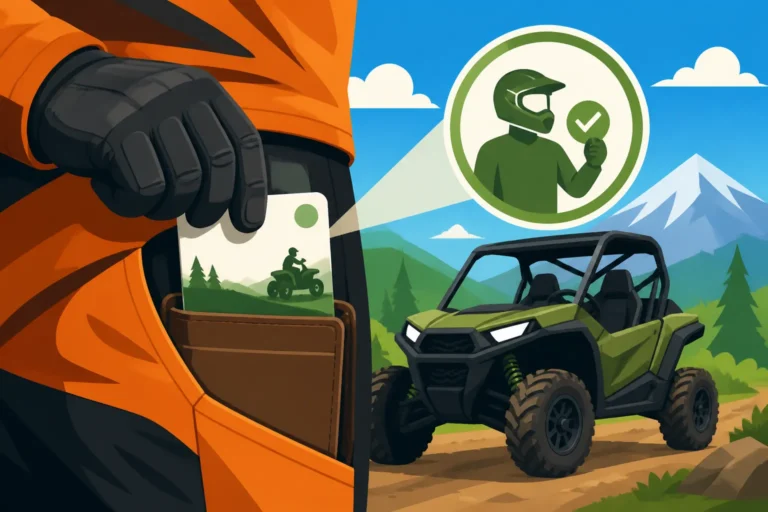
In addition to the permit, virtually all riders need an [Oregon ATV Safety Card Requirements]. Whether you're a seasoned adult or a young rider, Oregon mandates this safety education. While there are some exceptions for drivers of certain Class II machines (like street-legal vehicles) with a valid driver's license, most OHV operators in Millican Valley will need to complete the safety course. It's not just about compliance; it's about making sure everyone on the trails and roads has a fundamental understanding of safe riding practices, minimizing risks for themselves and others.
Machine Classification and Road Legality
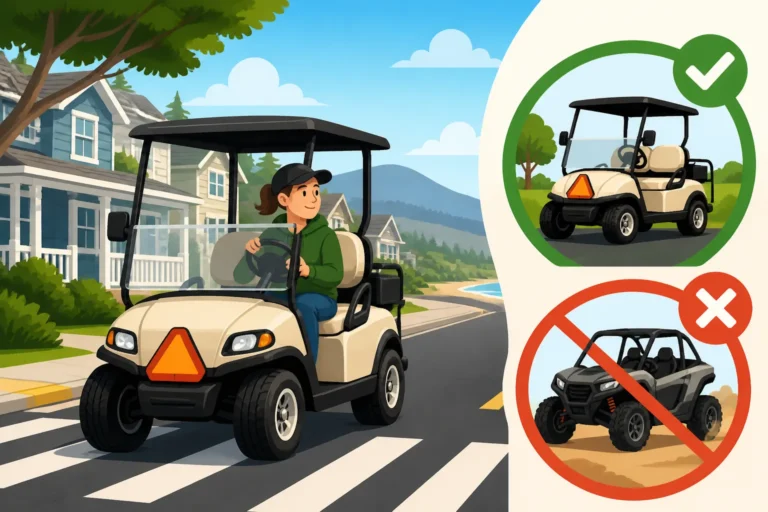
Oregon classifies ATVs and UTVs into four distinct categories based on size, weight, and features. These classifications play a crucial role in determining where you can ride. Most traditional quads and many side-by-sides fall into Class I or Class IV, which are generally not street-legal. This means they cannot legally operate on paved public roads or most public county roads within Millican Valley unless that specific road has been designated as an ATV highway access route – and those are extremely rare, with only two in the entire state: Lakeside and Sumpter.
However, some machines, often referred to as utility terrain vehicles (UTVs) or certain larger side-by-sides, can be considered Class II off-highway vehicles. These Class II machines have specific requirements for being made street-legal, which typically include things like turn signals, brake lights, headlights, and a horn, plus being titled and registered with the DMV. If your Class II machine is fully street-legal, it might be allowed on county roads that are open to public vehicle traffic, but it still won't be allowed on state highways or most federal roads unless explicitly designated. For most riders in Millican Valley, the focus will be on remaining within the designated OHV routes and forest roads that permit their specific machine class, rather than trying to make a non-street-legal machine act like one. Even for trail-oriented side-by-sides, enhancing visibility with SuperATV mirrors or a louder horn can improve safety on shared roads.
Speed Limits, Right-of-Way, and Other Common Road Rules
Even on unpaved forest or BLM roads, basic traffic laws apply. The speed limit, unless otherwise posted, is generally 25 mph. This isn't just a suggestion; it's a safety measure, especially on winding, dusty roads with limited visibility. You'll often encounter blind corners, hills, and other users, so riding at a safe speed is paramount.
Right-of-way rules are also in effect. Generally, traffic on a main road has the right-of-way over traffic entering from a side road. Always yield to larger vehicles, especially logging trucks or heavy equipment, which operate in the Millican area. These industrial vehicles cannot stop or maneuver as quickly as your ATV or UTV. When you encounter them, pull over to the side of the road and let them pass safely. Dust is another major factor: if you're following another vehicle, leave plenty of space to avoid their dust cloud, and if you're kicking up a lot of dust, be mindful of those behind you or oncoming traffic. Equipping your machine with a full windshield from SuperATV can help significantly with dust management and overall visibility.
| Road Type | Typical Management | Permit Required? | Street Legal ATV/UTV Access | Non-Street Legal OHV Access | Common Uses & Concerns |
|---|---|---|---|---|---|
| Forest Service Road | US Forest Service | Yes | Varies (check signage) | Yes (on designated routes) | Recreation, logging, access to trails. Yield to larger vehicles. |
| BLM Road | Bureau of Land Management | Yes | Varies (check signage) | Yes (on designated routes) | Recreation, grazing, resource extraction. Watch for livestock. |
| County Road | Local County | Yes | Generally Yes | No (unless designated route) | Local access, commuting. Often shared with cars. |
| Designated OHV Trail | BLM/Forest Service | Yes | No | Yes | Primary OHV riding. Specific rules for each trail. |
Practical Tips for Riding Millican Valley's Roads
A successful ride in Millican Valley isn't just about knowing the rules; it's about being prepared for the environment and being a considerate user of public lands. The high desert can be beautiful but also unforgiving if you're not ready.
Essential Gear and Preparedness
Riding the roads in Millican Valley means you need to be prepared for mechanical issues, navigation challenges, and changing weather. Always carry a physical map (in addition to any digital ones), a compass, and know how to use them. Cell service is spotty at best in many parts of the valley, so relying solely on your phone for navigation or emergencies is a risky gamble.
Beyond navigation, pack essentials like a first-aid kit, extra water and snacks, a small tool kit for basic repairs, tire repair kits, and a way to air up your tires. A winch or tow strap is always a good idea, especially if you venture onto less-maintained routes. Visibility is key: bright flags on a whip are mandatory in many areas, and ensuring your headlights and taillights are functional is crucial, especially if you might be out near dusk or dawn. Think about adding aftermarket lighting from a reputable brand like SuperATV if your stock lights are lacking, especially for those longer days exploring. [Keeping Paperwork in a Wet Climate] is also a good idea, even in the high desert, to protect your permit and safety card.
Seasonal Considerations and Closures
Millican Valley experiences distinct seasons, each bringing its own set of challenges and closures. In winter, snow can make many roads impassable, especially at higher elevations, and certain areas are closed for wildlife protection. Spring can bring mud and washout conditions after snowmelt or heavy rains, making some routes treacherous. Summer is fire season in Oregon, and it’s critical to check for fire restrictions or complete closures before you head out. [Oregon Fire Season and Trail Access] is a must-read for anyone planning summer rides.
Always check the local BLM or Forest Service websites for current conditions and closures before heading out. A road that was open last week might be closed today due to a new fire, logging operations, or environmental restrictions. Showing up unprepared for a closure can lead to a wasted trip or, worse, inadvertently riding into a dangerous situation or a restricted area, leading to fines.
Coexisting with Other Users and Industrial Traffic
Millican Valley is a multi-use area. While you might be there to ride your ATV, others are there for hiking, mountain biking, horseback riding, hunting, or simply enjoying nature. And, as mentioned, active logging or grazing operations can mean you'll encounter large trucks, heavy equipment, or even livestock on the roads.
Be a courteous and respectful user. Slow down when passing hikers, bikers, or horses, and give them a wide berth. Turn off your engine if you encounter horses, as the noise can spook them. Control your dust, especially around campsites, residences, or other users. And always, always yield to industrial traffic. Those logging trucks are working vehicles, and their schedules and operations take precedence. They might not see you, especially if you're kicking up dust, so make yourself visible and be prepared to stop and pull over safely. The more we all respect each other's right to enjoy these public lands, the better the experience will be for everyone. [Oregon Rules for Riding a Forest Road] and [Oregon Rules for Riding a County Gravel Road] offer more details on specific etiquette and laws.
Disclaimer
This article is for general informational purposes only and does not constitute professional advice. Laws, prices and regulations vary by location and change over time. Consult a qualified professional for guidance on your specific situation.