Bull Run Staging and Where It Goes
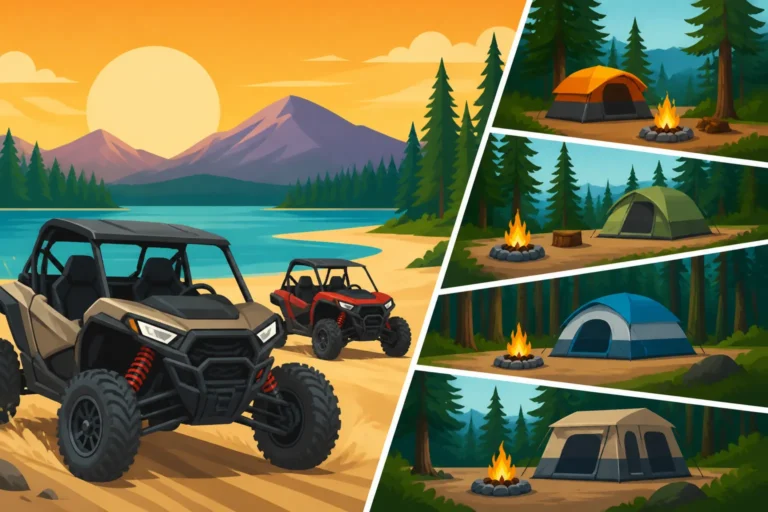
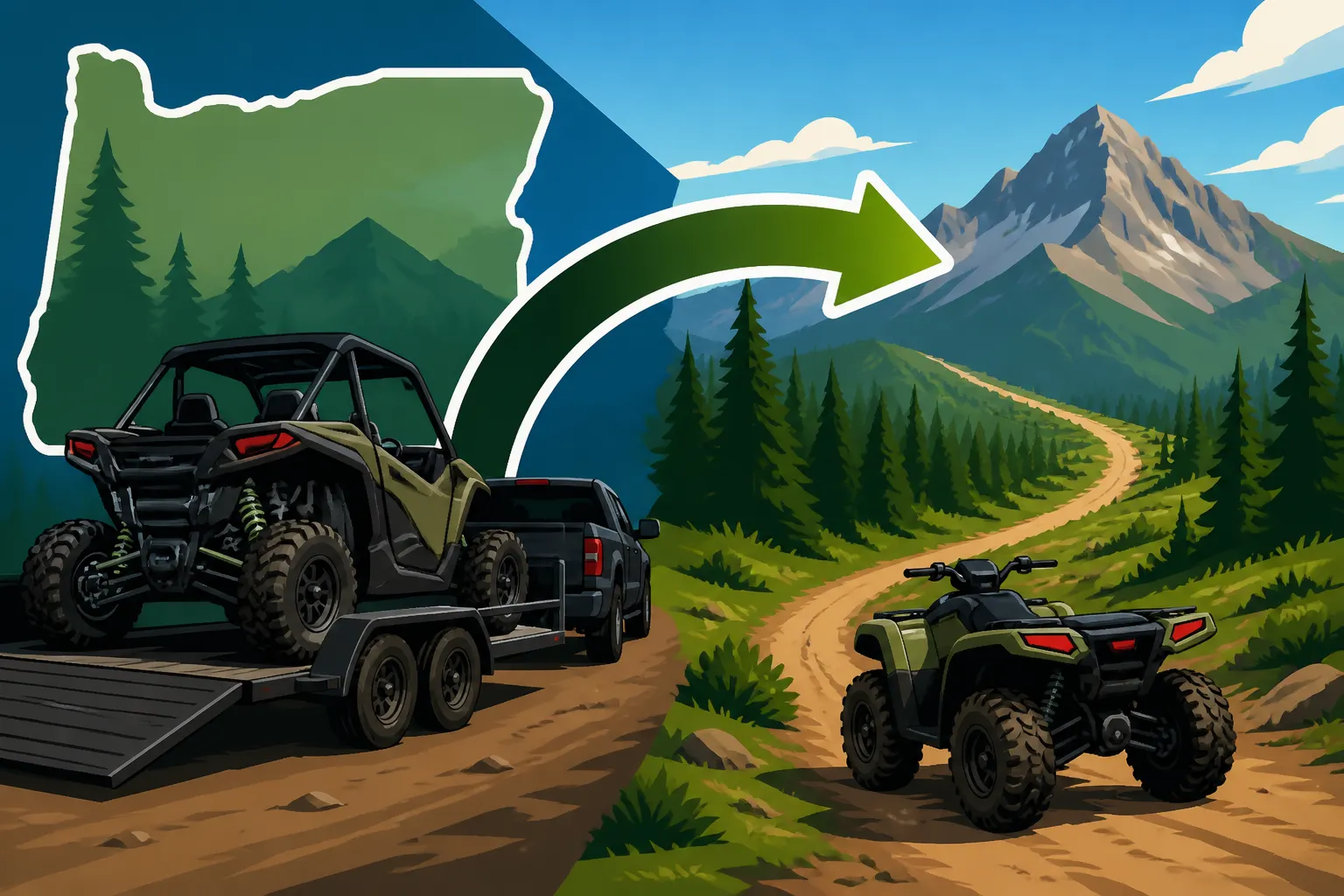
Bull Run Staging is a practical launch point for exploring the Oregon Dunes, but arriving with the wrong expectations can turn a fun ride into a frustrating one. This guide explains how the staging area fits into the Winchester Bay riding landscape, what to prepare before unloading, and how to navigate changing access and riding conditions safely.
What Bull Run Staging Is and Where It Leads
Bull Run is a place to begin, not a marked trail loop
Bull Run Staging serves riders heading into the dune-riding country near Winchester Bay and the Umpqua portion of the Oregon Dunes National Recreation Area. Think of it as a staging and access point, rather than a trailhead with a single signed route that every rider follows. Once you leave the staging area, the terrain opens into sand riding where routes can be less obvious than a forest trail.
That difference matters if you are used to riding a loop with clear junctions and numbered trail markers. In the dunes, your route may depend on the day’s open riding boundaries, visibility, your group’s ability, and where you choose to travel across the sand. Check current land-manager information and posted signs before you ride, and treat any marked closure as a firm boundary.
Bull Run is also worth distinguishing from nearby riding and staging areas. The names Bull Run and Goosepasture are often discussed together, but they are not interchangeable labels for one guaranteed route. For a broader sense of how the southern dune areas fit together, see [Bull Run and Goosepasture] and [Oregon Dunes Staging Areas From North to South].
What the ride may feel like once you leave the staging area
Expect a coastal dune environment rather than a groomed road network. Sand can be firm in some places and soft in others, and the surface may change with wind, moisture, traffic, and weather. A line that looked straightforward from the staging area can feel very different once you are climbing, descending, or crossing a broad open area.
That variety is part of the appeal, but it can catch new dune riders off guard. A machine that handles well on packed ground may bog down in soft sand, while a steep-looking slope can be difficult to judge from below. Ride at a pace that gives you time to read the terrain, leave generous space between machines, and avoid following another rider so closely that dust or a sudden stop blocks your view.
The Oregon Dunes National Recreation Area contains multiple riding areas, each with its own access points and conditions. If you are deciding whether Bull Run suits your group, compare the area with other nearby options in [Oregon Dune Riding Areas Compared] and get oriented to the broader landscape in [The Oregon Dunes National Recreation Area].
Planning Your Bull Run Ride
Check access, closures, and fees before loading up
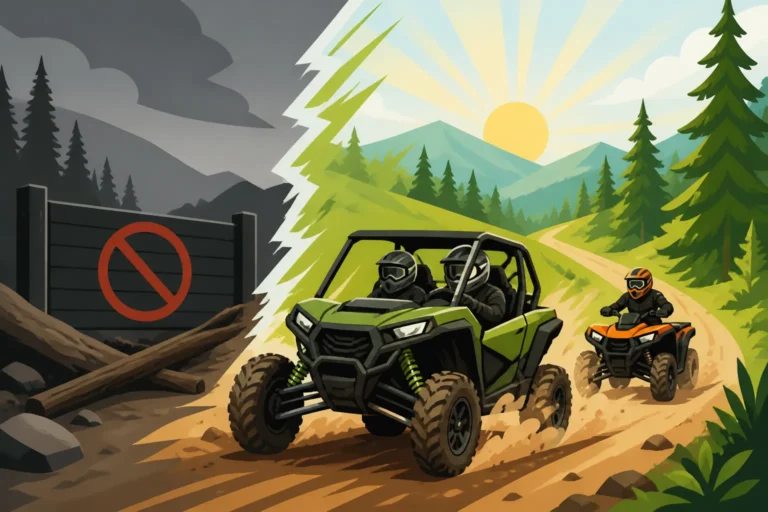
A staging area can be open while some nearby riding areas or routes are restricted, so do not assume that reaching Bull Run means every direction is available. Seasonal habitat protections, weather impacts, land-management decisions, and temporary closures can affect where riding is allowed. Check current official notices before you leave home, then look again at posted information when you arrive. This is especially useful if your plan depends on reaching a particular dune section.
Also budget time to understand the difference between an OHV permit and a site or day-use fee. They are not the same thing: the permit relates to operating an off-highway vehicle under Oregon’s rules, while a separate fee or pass may apply to the place where you park or recreate. Requirements can depend on the site and your situation, so confirm what applies to your visit rather than relying on what a friend paid on a previous trip. Start with [Paying the Day Use Fee at a Staging Area] and [Oregon Trail Closures to Check First].
Bring the information you need in a form that will still be available if cell service is weak. A printed map, saved map data, or offline navigation can help you stay oriented, but none replaces signs or official closure notices. Some riders use onX Offroad as a supplementary planning tool for reviewing maps and keeping a sense of their location. Treat app information as an aid, not as permission to ride a road or area that signs identify as closed.
Prepare the machine and group for sand
Before unloading, check the basics that are easy to overlook in a busy parking area: fuel, tire condition, brakes, throttle operation, and any loose cargo. Sand can put a different kind of strain on a machine than a dirt road does, and small problems become more stressful when you are far from the staging area. Carry water, a basic tool kit, and a way to contact your group if someone gets separated.
Make sure each machine has the required permit decal displayed correctly and that your group understands the rules that apply to its vehicle class. Oregon’s OHV permit requirements are separate from any area access fee. If you are uncertain about the decal’s placement, [Oregon ATV Permit Decal Placement] offers a focused guide. Riders should also review the applicable safety requirements before a trip, particularly when the group includes younger or inexperienced operators.
For dune riding, a visible safety flag is an important part of being seen over rises and across busy sand. Check that it is secure and conspicuous before entering the riding area, and replace or repair equipment that is loose or damaged. [Oregon Dune Flags and Whips] covers the topic in more detail. If your group has different experience levels, agree on a simple plan before riding: who leads, where to regroup, what to do if someone stops, and how long to wait before retracing a route.
| Before you go | What to check | Why it helps |
|---|---|---|
| Access | Current closures and posted riding boundaries | A familiar route may be restricted or changed |
| Fees and permits | OHV permit requirements and separate site fees | Avoid confusing vehicle permits with parking or day-use access |
| Navigation | Official maps, signs, and an offline backup | Cell coverage or battery power may not be dependable |
| Machine | Fuel, tires, brakes, controls, and cargo | Problems are harder to solve once you are away from the staging area |
| Group plan | Lead rider, regroup points, and communication | Keeps riders together when visibility or pace differs |
| Safety gear | Helmets, required flags, and age-appropriate equipment | Helps your group meet requirements and stay visible |
Navigating the Dunes and Returning Safely
Use maps as a backup, not as the final authority
Before riding, take a few minutes to orient yourself to the staging area, the direction of the open riding zone, and any signed boundaries. If your group is new to the area, choose a conservative first outing rather than trying to cover a large stretch of dunes immediately. Agree on a recognizable regroup point and make sure everyone knows what to do if they lose sight of the lead rider.
A mapping app can help you understand your position relative to roads and other landmarks. onX Offroad may be useful as one layer in that planning, particularly if you have prepared your map view before arriving. But maps and app layers can lag behind a temporary closure or a changed sign. If they conflict, follow posted restrictions and current official guidance, not the route you had saved at home.
For a dependable plan, carry more than one way to stay oriented. Save relevant information before leaving service, bring a paper map if you have one, and keep your phone protected from sand and moisture. [Oregon Trail Maps Worth Carrying] is a useful companion when deciding what navigation backup makes sense for a ride.
Ride for visibility and changing surface conditions
Visibility can change quickly in coastal dunes. Fog, airborne sand, and the shape of the terrain can limit how far ahead you can see. Approach rises cautiously, avoid stopping just beyond a crest, and do not assume a rider coming the other way can see you. Keep enough distance that the machine in front does not block your view or leave you with no room to react.
If you are unfamiliar with soft sand, ease into it rather than making abrupt turns or sudden throttle changes. A rider who becomes stuck should signal the group and move to a safe place if possible; other riders should slow down and give the stopped machine room. Tire pressure and riding technique can affect how a machine performs, but changes should be made thoughtfully and within the vehicle manufacturer’s guidance. For coastal sand considerations, see [Soft Sand and Tire Pressure on the Coast].
When the group is ready to head back, use the route and landmarks you agreed on rather than assuming every track in the sand leads to the same place. Sand can cover or blur previous tracks, and following another group may take you somewhere you did not intend to go. A quick head count and machine check at the staging area can catch a missing rider, loose gear, or a small mechanical issue before everyone starts the drive home.
Making Bull Run a Better Ride for Your Group
Choose an outing that matches the least experienced rider
Bull Run can work for riders with different machines and experience levels, but the day is much more enjoyable when the plan reflects the least experienced person in the group. A confident rider may be eager to explore farther, while a beginner is still learning how sand responds under the tires. Set expectations before starting and make it clear that turning around is a normal choice, not a failure.
For a first visit, keep the ride conservative and build in breaks. Stop somewhere safe to check that everyone is comfortable, especially if the group includes children or riders who are new to dunes. Avoid pressuring someone to climb a slope or cross an area they do not feel ready for. A slower, shorter ride where everyone returns together is often a better introduction than an ambitious route that leaves a newer rider anxious or exhausted.
If your group has mixed machines, remember that handling, speed, and passenger arrangements can vary. Keep the pace suitable for the slowest machine, and leave enough space for riders to choose a safe line. Before the trip, review your machine’s class and the rules that apply to it; [Which Oregon ATV Class Your Machine Falls Into] can help you get started.
Leave room for other riders and the environment
Popular riding areas can become busy, particularly around staging points and on weekends. Be patient while unloading, keep access lanes clear, and avoid treating open sand as a place where others should automatically yield. Stay within designated riding areas, respect fences and habitat protections, and pack out trash and anything else you brought in. Small choices like these make a crowded day safer and help reduce damage to sensitive places.
For better navigation, onX Offroad can complement your own preparation by helping you review a route or share a general plan with your group. Use it alongside posted signs and official information, and do not rely on a digital track to decide whether an area is open. Before setting out, tell someone outside the group where you plan to ride and when you expect to return.
Bull Run is best approached as a flexible dune-riding starting point: check access before you travel, arrive prepared, and let conditions shape the day. If the area is busy, visibility is poor, or your group is tiring, shorten the ride or choose a safer stopping point. A good day is not measured by how far you travel, but by whether everyone gets back to the staging area safely.
Disclaimer
This article is for general informational purposes only and does not constitute professional advice. Laws, prices and regulations vary by location and change over time. Consult a qualified professional for guidance on your specific situation.