North Millican When It Reopens
If you’re planning a Central Oregon ride and wondering when North Millican opens, the frustrating part is that there may not be one dependable reopening date every year. Snow, muddy ground, road conditions, and land-manager decisions can all affect access. This guide explains what to check, how to plan around changing conditions, and what to do before towing your machine to the area.
When North Millican Reopens
Why the opening date can change
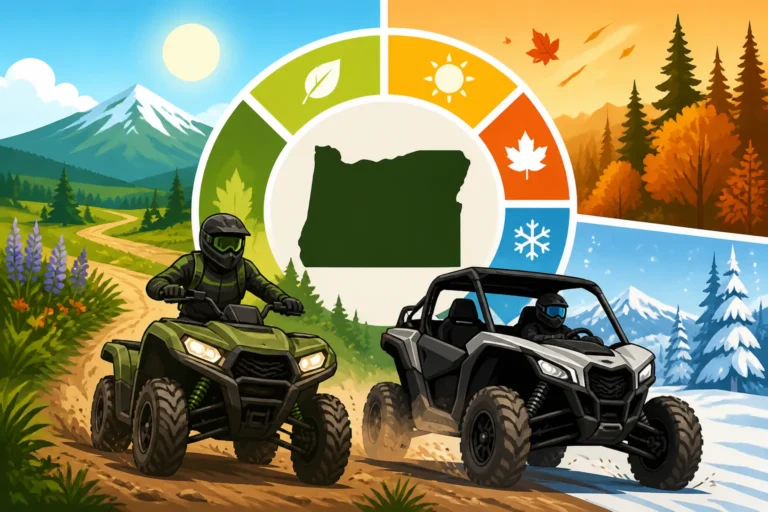
North Millican is subject to seasonal closures, and the date it becomes rideable can vary from year to year. Winter weather may leave snow on the ground, while thawing temperatures can turn trails and access roads soft or muddy. Even when a route looks clear from the main road, conditions farther into the riding area may still be unsuitable.
The people planning a trip often have a particular weekend in mind, especially after a long winter. Unfortunately, a calendar date from a previous season is not a reliable promise for the next one. A closure may remain in place until the managing agency determines that access is appropriate, and weather can change conditions quickly after a route appears to be improving.
How to confirm the status before you go
Check the latest closure notices and recreation information from the land manager before leaving home. Look for updates that specifically identify North Millican, rather than assuming that a notice about another part of the Millican Valley applies to it. If the information is unclear, contact the local office responsible for the area and ask about both the riding area and the roads you plan to use to reach it.
It is worth checking again shortly before your trip. A trail system that was open when you started planning may be affected by a new closure, poor conditions, or a temporary restriction. On arrival, obey posted signs and barriers even if an online map or an earlier notice suggests the route should be open. A closed gate or sign at the site is not something to ride around or past.
For broader seasonal planning, [Oregon Riding Seasons by Area] can help put North Millican in context with other riding destinations. The important thing is to treat any general seasonal pattern as a planning aid, not an official opening announcement.
How to Check Trails and Access Conditions
Read the official closure information carefully
Before you load the trailer, identify the exact trailhead, staging area, and access road you intend to use. Closure notices may apply to a specific section or route rather than every place in the surrounding valley. Conversely, a route that appears open on a general map may lead through a closed area or connect to a trail that is restricted.
Read the details, including the boundaries of a closure and any stated conditions. If a notice says a route is closed, don’t assume that a nearby alternative is permitted unless the information clearly confirms it. Closures protect the land and riders; ignoring them can also lead to citations or an unexpectedly difficult trip back to the trailer.
Use maps as planning tools, not permission to ride
A navigation app such as onX Offroad can help you visualize routes, compare the planned ride with roads and trails, and prepare for areas where cell service may be limited. It can be useful to download or save the information you need before heading out, rather than relying on a live connection at the staging area.
Still, a map cannot replace current official notices or signs on the ground. Map layers may not reflect a new seasonal closure or a temporary restriction, and a line shown as a route does not automatically mean it is open to motorized use. Use onX Offroad alongside agency information, and check that the route you select matches the area’s current rules. [Oregon Trail Closures to Check First] offers a useful reminder of why checking more than one source matters.
Watch the route to the riding area, too
The trail itself is only part of the trip. A wet or snow-covered approach road can make access difficult even if some riding routes are open. Before you set out, consider the condition of the roads you’ll tow on, whether your trailer can safely reach the staging area, and whether there is a legal, suitable place to turn around if you encounter a closure.
A route that is passable in a high-clearance truck may not be comfortable for every vehicle towing a loaded trailer. Check the day’s conditions and use judgment rather than pushing forward because the destination is close. [Oregon Rules for Trailering to a Staging Area] covers practical considerations for getting your machine to an OHV site.
| What to check | Why it matters | Before you leave |
|---|---|---|
| North Millican closure status | The area may be seasonally or temporarily closed | Check the latest official notice for the specific area |
| Staging-area access | The approach may be affected even when trails are open | Confirm the road and parking access are suitable |
| Trail and route restrictions | A closure may cover only certain routes or sections | Compare the notice, official map, and posted signs |
| Weather and ground conditions | Thaw, rain, or snow can change conditions quickly | Recheck the forecast and local updates close to departure |
| Required riding equipment and documents | Requirements still apply when the area is open | Review permits, safety-card rules, and machine equipment |
Preparing for a North Millican Ride
Have a plan for permits and rider requirements
An open trail does not mean every machine and rider can automatically set off. Oregon has rules that vary with the machine’s class and the rider’s situation. Make sure the machine has the required permit and decal, and check the applicable safety-card rules for each person who will ride. If your group includes visitors, young riders, or rented machines, take a moment to confirm the relevant requirements in advance.
This is a common source of last-minute stress: the group has already driven to the staging area, but someone discovers that a document or required equipment is missing. A simple checklist before loading can prevent that. Start with [Oregon ATV Permits Explained] and [Oregon ATV Safety Card Requirements], then confirm the details that apply to your machine and riders.
Plan for changing terrain and limited services
Millican Valley is a high-desert riding area, so prepare for conditions that can feel very different from the coast or the forested trails west of the Cascades. Dust, uneven ground, exposed terrain, and changing weather can all shape the day. Bring enough water and basic supplies for the group, and don’t assume that fuel, food, or help will be close to the trail you choose.
Tell someone who is not riding where you plan to go and when you expect to be back. Keep a map available offline, carry a charged phone, and consider a backup navigation method. Apps such as onX Offroad can support route planning, but offline navigation is most useful when you have prepared it before losing service. Agree on a meeting point and a turnaround plan in case part of the route is closed or conditions worsen.
If you are new to the area, choose a route that matches your group’s experience and machine capability. A confident rider on a familiar quad may be comfortable with a route that feels stressful to a first-time side-by-side driver. Avoid letting a more experienced rider’s pace set the plan for everyone else.
Ride responsibly if conditions are marginal
If the ground is soft or waterlogged, don’t try to force a ride simply because the area looks mostly open. Tires can damage trails when the surface is vulnerable, and a machine that gets bogged down can turn a short outing into a recovery problem. When conditions are poor, postponing the trip is often safer and kinder to the riding area.
Stay on routes open to your machine, respect signs and barriers, and give other users room. Keep dust and visibility in mind around staging areas and on shared routes. If you encounter a closure that wasn’t on the information you checked earlier, stop and follow it rather than treating it as a temporary inconvenience. The route can wait; a damaged trail or a preventable roadside problem is a worse way to end the day.
For a fuller overview of riding options in the area, [Millican Valley's Nine Staging Areas] can help you understand the broader layout. Don’t assume that access at one staging area means North Millican itself is open; confirm the status of your intended destination separately.
Choosing a Backup Plan if North Millican Is Closed
Pick an alternative before you start towing
A backup destination is especially helpful when a trip involves several riders, a long drive, or a campsite reservation. Identify another area that suits your group and machine, then check its current access rules, closures, and fees. Don’t count on being able to switch destinations at the last minute without doing that homework; the alternative may have its own seasonal restrictions or access requirements.
If your group is based near Bend, consider which open riding areas are practical for your vehicle, trailer, and available time. [Oregon OHV Areas Near Bend] and [Oregon Riding Areas Open Year Round] can help you compare options, but always verify current conditions before traveling. “Open year round” is not a guarantee that every route will be passable in every weather event.
Make a decision before you reach a closed gate
Agree in advance on what your group will do if North Millican is closed. Will you switch to a verified alternative, spend the day elsewhere, or head home? A quick conversation before loading helps prevent the familiar parking-lot debate where everyone has different expectations and no one has checked whether the backup is available.
If the backup is also unsuitable, don’t try to make an unauthorized route work. Save the trip for another day and keep your machine and trailer out of areas where they don’t belong. A delayed ride is disappointing, especially after the drive, but respecting closures helps protect access for future visits.
Keep notes for next time
After the trip, jot down what you learned: which notices were useful, how the access road felt, where you lost phone service, and whether the staging area worked for your group. These notes can make the next trip easier without turning this season’s experience into a fixed rule for future years. Conditions and access decisions can change, so use your notes as a reminder of what to check rather than as a substitute for checking it again.
Planning ahead does not make an unpredictable opening date less frustrating, but it does give you better options. Confirm the official status, check the approach and trail conditions, prepare the required documents, and have a verified backup. That way, if North Millican is still closed, you can make a calm decision before the drive rather than discovering the problem after the trailer is already on the road.
Disclaimer
This article is for general informational purposes only and does not constitute professional advice. Laws, prices and regulations vary by location and change over time. Consult a qualified professional for guidance on your specific situation.