Stolen Machine Checks Before a Sale
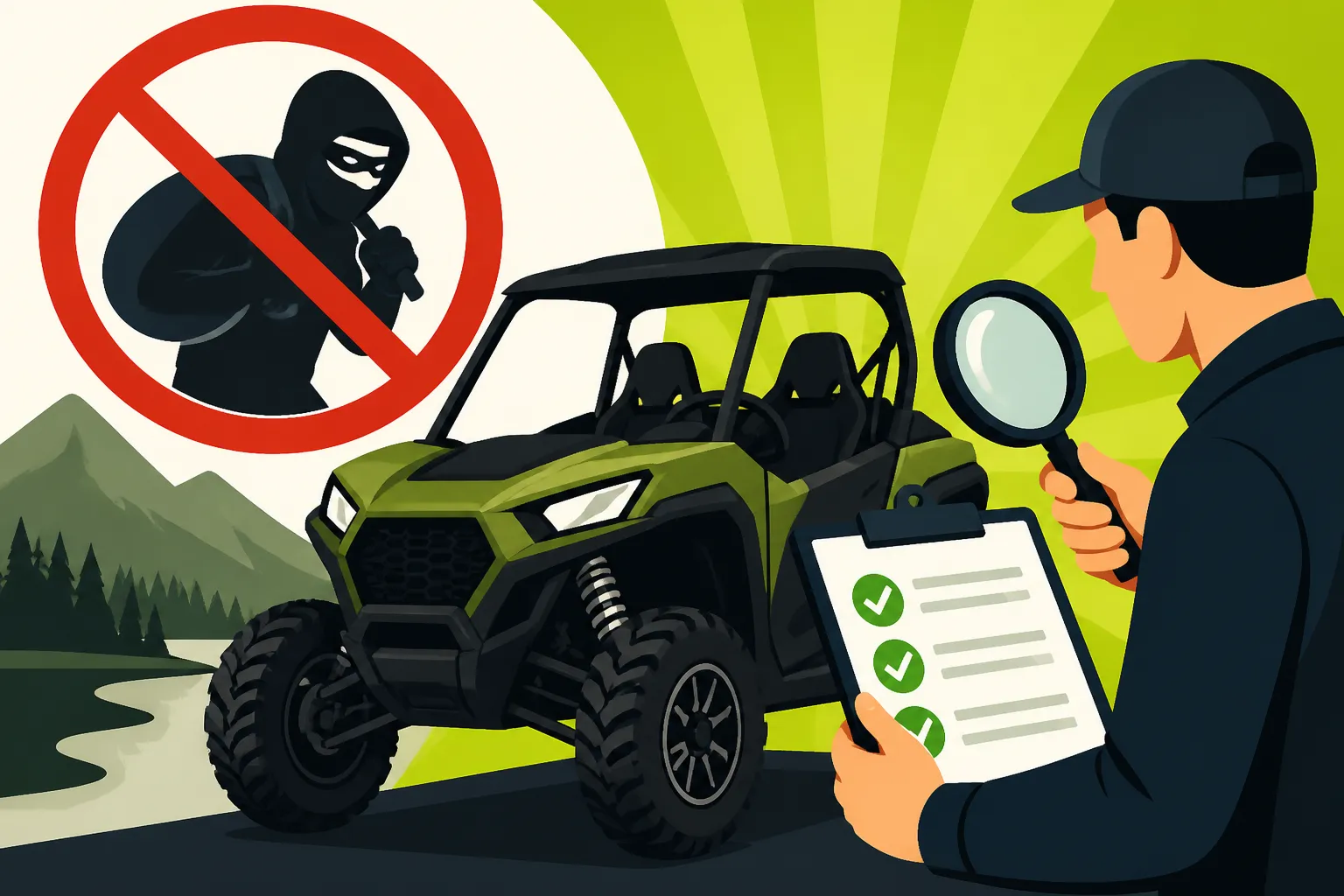
There are few things more deflating than finally finding that perfect ATV or UTV, shelling out your hard-earned cash, and then discovering it was stolen. It’s a gut-wrenching experience that can leave you without your new machine, out a significant chunk of money, and tangled in a legal mess you never asked for. This guide is all about equipping you with the knowledge and actionable steps to thoroughly check for stolen machines before you buy, helping you protect your investment and ride with true peace of mind.
The Heartbreak of a Stolen Machine (And Why It Matters to You)
Imagine the scene: you've just closed the deal on a sweet side-by-side you found online. You're picturing all the incredible adventures, the dust trails, the family fun. Then, a few weeks later, you're stopped by a ranger, or worse, the police, who inform you the machine you're so proud of is actually hot. Suddenly, your dream ride becomes a nightmare. This isn't just an inconvenience; it's a profound financial and emotional hit that can leave you feeling betrayed and helpless.
Why a Stolen ATV is a Buyer's Nightmare
When you unknowingly purchase a stolen ATV or UTV, you don't actually own it. The original owner still does, and law enforcement's primary goal is to return that property to them. This means that even if you bought it in good faith, paying market value, you will likely lose the machine without any compensation. The police aren't obligated to get your money back from the fraudulent seller; that's a civil matter you'd have to pursue, often at significant cost and with little chance of success if the seller has vanished or spent the money. Beyond the financial loss, there’s the emotional toll. The excitement of a new purchase turns into stress, anger, and a deep sense of frustration. It can make you wary of future private sales, eroding trust in the community. You might even face questions from law enforcement about how you came into possession of the stolen property, which, while usually resolved once you demonstrate your innocence, is still an unpleasant experience.
The Importance of Due Diligence
Here’s the tough truth: when you buy a used vehicle, especially from a private seller, the responsibility to ensure it's legitimate falls squarely on your shoulders. The old adage "buyer beware" rings particularly true in the world of used off-road vehicles. While it might seem like a hassle to jump through a few extra hoops, those hoops are your best defense against inadvertently becoming involved in a criminal act. Skipping these checks to save a little time or because a seller is pushing for a quick sale is a huge risk that can cost you far more in the long run. Think of it as investing a small amount of effort now to save yourself a massive headache later. [Buying a Used Quad in Oregon] is a process that requires careful attention to detail.
Your Essential Toolkit: What You Need to Check
Before you even think about handing over cash, you need to gather information and verify its authenticity. This isn't about being distrustful; it's about being smart and protecting yourself.
The Almighty VIN (Vehicle Identification Number)
The Vehicle Identification Number, or VIN, is essentially your machine's unique fingerprint. Every ATV, UTV, dirt bike, or sand rail has one, and it's the single most important piece of information for identifying a machine and checking its history.
- What it is: A 17-character alphanumeric code that provides a wealth of information about the vehicle, including its manufacturer, year of manufacture, model, and serial number. It's standardized across the industry, making it a reliable identifier.
- Where to find it: This is crucial. Don't just accept a VIN written on a piece of paper. You need to physically locate the VIN on the machine itself.
- ATVs (Quads): Typically stamped on the frame, often near the front on the right-hand side (when sitting on the machine), below the handlebars, or sometimes near the footpeg area.
- UTVs (Side-by-Sides): Can be found on the frame near the driver's side front wheel, under the driver's seat, or on a crossmember in the engine compartment.
- Dirt Bikes/Off-Road Motorcycles: Usually stamped on the steering head tube (where the front fork attaches to the frame) or sometimes on the frame near the engine.
- What to look for: The VIN should be clearly stamped, not a sticker that can be removed or easily altered. Look for any signs of tampering, such as grinding marks, welding, or numbers that don't align perfectly. If the VIN looks suspicious in any way, walk away immediately. It's a huge red flag. Make sure the VIN on the machine matches any paperwork the seller provides. This step, [Checking a VIN Before Buying Used], is non-negotiable.
Seller Identification: Knowing Who You're Buying From
A legitimate seller won't hesitate to provide proper identification. If they're cagey about it, consider it another warning sign.
- Ask for ID: Request to see the seller's driver's license or other valid government-issued ID. Jot down their name and ID number. This helps establish their identity and can be critical if issues arise later.
- Match ID to paperwork: If the machine has a title or previous registration, the name on the ID should match the name on those documents. If it doesn't, ask for a clear explanation and supporting documentation, like a bill of sale from a previous transaction. Be wary if they claim they're selling it for a friend or relative and don't have direct access to the actual owner or their ID.
- Physical address and contact: Get a physical address, not just a P.O. Box. A reputable seller will have no problem meeting at their home or a public place where you can verify their presence. A working phone number and email are also essential. If they only communicate through vague channels or insist on meeting in obscure locations, be cautious.
The Paper Trail: Titles, Bills of Sale, and Permits
Paperwork is your friend. It provides the legal history of the machine and helps establish legitimate ownership.
- Oregon Titling: While [Titling an ATV in Oregon Is Optional] for off-road machines, many owners still choose to title their vehicles for this exact reason – it proves ownership. If the seller has an Oregon title, it's a huge plus.
- What to look for: Examine the title carefully. Check for watermarks, official seals, and any signs of alteration. The VIN on the title must exactly match the VIN on the machine. The seller's name should match the name on the title. Ensure there are no liens listed on the title, which would mean the seller still owes money on the machine.
- Bill of Sale: Even without a title, a well-executed bill of sale is critical. This document legally transfers ownership from the seller to you.
- What to look for: It should clearly state the date of sale, the purchase price, the full names and addresses of both the buyer and seller, and a complete description of the ATV/UTV, including its make, model, year, and VIN. Both parties should sign and date it. LawDepot is a useful resource for finding templates for a comprehensive bill of sale, ensuring all necessary legal details are covered. [Oregon Bill of Sale for an ATV] needs to be thorough.
- Previous Registration/Permits: While an Oregon operating permit isn't proof of ownership, previous permits can show a history of the machine being legally operated. The presence of expired permits or a current permit with the seller's name can offer some reassurance. If they show you an [Oregon's ATV Operating Permit], check the name.
- No Paperwork: If a seller has absolutely no paperwork — no title, no bill of sale from when they bought it, no expired permits — this is a major red flag. While [Proving Ownership Without a Title] is possible in Oregon, it makes your job significantly harder and increases your risk. Be extremely cautious and prepared to walk away. [Buying From a Seller Who Kept No Records] is a situation that demands maximum vigilance.
How to Run a Stolen Vehicle Check
Once you have the VIN and have verified the seller's identity and paperwork, it's time to put that VIN to work.
Online Databases and Services
Several resources, both public and private, can help you check if a VIN is reported stolen.
- National Insurance Crime Bureau (NICB): The NICB offers a free online VINCheck service. You can enter the VIN and it will tell you if the vehicle has been reported as stolen and not recovered, or if it's been reported as a salvage vehicle by a participating NICB member insurance company. This is usually the first stop for many buyers. It's quick, easy, and free.
- State DMV/Police Resources: Some states offer online portals through their Department of Motor Vehicles (DMV) or state police websites where you can perform a stolen vehicle check. While Oregon's DMV doesn't typically handle ATV permits or registration directly (the Oregon Parks and Recreation Department does), local law enforcement agencies may have online search tools or a non-emergency number you can call for this purpose.
- Vehicle History Reports (Paid Services): Services like Carfax or AutoCheck are more common for cars and trucks, but some may include off-road vehicles. These services provide a more comprehensive history, including accident records, previous sales, and sometimes even odometer discrepancies. While they come with a fee, the peace of mind can be worth the cost, especially for higher-value machines. Just be aware that off-road vehicles don't always have as extensive a reporting history as street-legal ones.
Contacting Law Enforcement
Sometimes, the best and most direct approach is to call your local law enforcement agency.
- Non-Emergency Line: Do not call 911 for a stolen vehicle check. Use the non-emergency number for your local police department or county sheriff's office.
- Provide the VIN: Explain that you are considering purchasing an ATV/UTV from a private seller and would like to run a VIN check to see if it has been reported stolen. Provide the VIN you obtained from the machine.
- Be Patient: It might take a few minutes for them to check their databases. They can usually tell you if the VIN comes up as stolen in their system or in national databases like the NCIC (National Crime Information Center).
- Confirm with the Seller: It's often a good idea to do this check while you're still with the seller, or at least before you've exchanged money. A legitimate seller won't mind you taking this precautionary step. If they refuse to let you perform a check, or become agitated, that’s another serious warning sign.
When to Be Extra Wary
Certain situations should make your internal alarm bells ring loud and clear. Don't ignore these red flags.
- Price is Too Good to Be True: If the machine is significantly under market value, there's usually a reason. While everyone loves a bargain, an unbelievably low price is often a ploy to offload a stolen item quickly. Do your research on comparable models and years.
- No VIN or Altered VIN: As mentioned, this is a deal-breaker. If you can't find a VIN or it looks tampered with, walk away.
- Seller is Reluctant or Rushes the Sale: If the seller avoids answering questions, changes their story, or tries to pressure you into a quick, cash-only deal without letting you inspect the machine or verify documents, be suspicious.
- No Paperwork Whatsoever: A lack of any ownership documents is a huge risk. While some older off-road machines might genuinely lack titles, a complete absence of a bill of sale or any form of documentation should make you extremely wary.
- Seller Demands Cash Only: While many private sales are cash transactions, insistence on cash without any other legitimate payment options (like a cashier's check you can verify) can be a tactic to avoid a paper trail.
- Meeting in an Unusual Location: While a public meeting place can be safer for security, be cautious if the seller insists on meeting in a very remote, unusual, or dimly lit location where you can't properly inspect the machine or feel comfortable.
- Inconsistent Details: The seller's story about the machine's history, mileage, or how they acquired it should be consistent. If details change, it's a sign of dishonesty.
- No Keys: Selling an ATV without keys is a massive red flag. While replacements exist, it's often a sign of a questionable origin.
Protecting Your Purchase: Steps Beyond the Check
Even after doing all your due diligence, there are still crucial steps to solidify your ownership and protect your new-to-you machine.
The Bill of Sale: Your Proof of Transaction
A detailed and accurate bill of sale is more than just a formality; it's your legal receipt and proof of purchase. It substantiates your claim of ownership and helps distinguish you as an innocent buyer should any problems arise later.
- Get all the details: Ensure it includes the full legal names, addresses, and signatures of both buyer and seller, the date of sale, the agreed-upon price, and a thorough description of the ATV/UTV, including its make, model, year, and that all-important VIN.
- Consider a template: Using a pre-made template, perhaps from a reputable legal document service like LawDepot, can ensure you don't miss any critical clauses or information. Having two copies, one for each party, is standard practice.
- Keep it safe: Store your bill of sale with other important documents, like your [Oregon ATV Permit Cost] receipt and any optional title. [Oregon Paperwork for a Machine Bought Out of State] will have different requirements, but a strong bill of sale remains paramount.
Optional Titling for Peace of Mind
Oregon has unique rules regarding ATV titles. Unlike street vehicles, titling an off-road ATV or UTV is entirely optional. However, choosing to obtain a title can offer significant benefits, especially regarding proof of ownership.
- Why it's worth it: Even if not legally required for off-road use, an Oregon title provides undeniable proof that you are the legal owner of the machine. This can be invaluable if you ever need to sell it, finance it, use it as collateral, or defend your ownership in a dispute. It adds a layer of official state recognition that a bill of sale alone cannot. [Why an Oregon Title Is Worth Having Anyway] often comes down to this kind of future security.
- How to do it: You would apply for a title through the Oregon DMV, even though they don't handle the operating permits. You'll need the bill of sale, the machine's VIN, and any previous ownership documents.
Securing Your Investment
Once the machine is yours, take immediate steps to secure it and ensure you're compliant with Oregon's rules for riding.
- Get Your Oregon Operating Permit: Oregon requires all ATVs, UTVs, dirt bikes, and other off-highway vehicles to have an operating permit decal if they are ridden on designated public lands. You can purchase these online or from one of the [Where Oregon Sells ATV Permits].
- Insurance: While Oregon doesn't universally mandate insurance for all off-road vehicles, certain classes or uses might require it. For example, [Insurance and Oregon Class II Machines] is mandatory if you register it for street-legal use. Even if not required, comprehensive insurance is a smart idea to protect your investment from theft, damage, or liability.
- Secure Storage: Invest in good locks, cables, and secure storage (like a locked garage or shed) for your new machine. Record the VIN, take photos, and keep all your paperwork in a safe place. This helps deter theft and provides necessary information if your machine ever does get stolen.
Remember, a little extra effort upfront can save you a world of trouble and expense down the line. Happy riding, and stay safe out there!
| Red Flag / What to Look For | Reason for Concern | Action to Take |
|---|---|---|
| VIN Tampering | Grinding, welds, misaligned numbers, or missing VIN. | WALK AWAY IMMEDIATELY. This is a criminal offense. |
| "Too Good to Be True" Price | Significantly below market value. | Research comparable prices. Be skeptical. |
| No Paperwork | No title, no bill of sale (even from prior owner). | HIGH RISK. Demand a thorough bill of sale. Consider walking. |
| Seller Rushes Sale | Pressure to buy fast, cash-only, avoids questions. | Slow down. Insist on checks. Refuse to be pressured. |
| Reluctance for ID | Seller won't show ID or it doesn't match paperwork. | Ask for valid ID. Match names on documents. |
| Inconsistent Story | Details about machine's history change. | Ask clarifying questions. If it doesn't add up, be wary. |
| No Keys | Machine comes without a functioning key. | MAJOR RED FLAG. Avoid purchase. |
| Meeting Location | Insists on remote, dimly lit, or unusual places. | Choose a public, well-lit place. Be aware of your surroundings. |
Disclaimer
This article is for general informational purposes only and does not constitute professional advice. Laws, prices and regulations vary by location and change over time. Consult a qualified professional for guidance on your specific situation.