Oregon Rules for a Machine Over 50 Inches
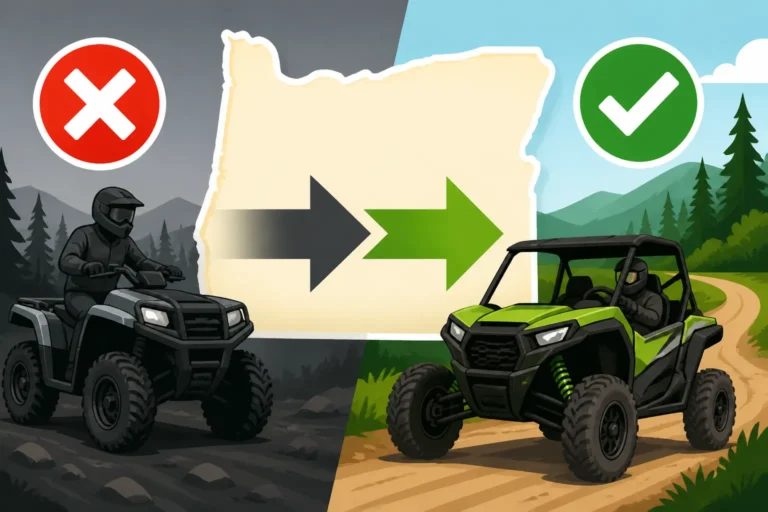
It's incredibly common to feel a wave of confusion wash over you when you start looking into Oregon's ATV and UTV rules, especially when your machine is a bit wider than the average quad. Many riders find themselves scratching their heads, wondering if their side-by-side or modified ATV can even hit the trails or if they're unknowingly breaking a rule. This guide is here to untangle the complexities of Oregon's regulations for machines exceeding 50 inches in width, helping you understand where you can ride, what permits you need, and how to stay on the right side of the law.
Oregon's ATV Classification System and Why Width Matters
Oregon has a very specific way of categorizing off-highway vehicles (OHVs), and your machine's width plays a monumental role in determining its class. This isn't just bureaucratic jargon; it directly impacts where and how you can legally ride, especially on designated trails and roads. Understanding these classes is the first step toward enjoying Oregon's fantastic riding opportunities without any unwelcome surprises.
Class I: The Traditional Quad (Under 50 Inches)
When most people think of an ATV, they picture a Class I machine. These are typically your traditional, straddle-seat quads, designed to be nimble and agile. The defining characteristic for Oregon's Class I is a dry weight of 1,200 pounds or less and a width of 50 inches or less. This 50-inch limit is a huge deal because many of Oregon's trails, particularly in dense forest areas, were designed with these narrower machines in mind. If your quad falls into this category, you'll generally find more single-track and tighter trails accessible to you.
Riders with Class I machines often find they have the broadest access to the dedicated ATV trail systems in places like the Tillamook State Forest or parts of the Oregon Dunes. These trails can be narrow, winding through trees and over varied terrain, making the smaller footprint of a Class I machine ideal. It's easy to see why the 50-inch rule for [The 50-Inch Limit That Defines a Class I] is so fundamental to the state's OHV planning. If you're riding a standard sport quad or a smaller utility ATV, chances are good you're in Class I.
Class IV: The Wider Side-by-Side (Over 50 Inches)
This is where the "over 50 inches" discussion truly begins. Oregon's Class IV designation specifically applies to side-by-sides (SxS) or utility terrain vehicles (UTVs). These machines are designed for two or more occupants, feature a steering wheel, foot pedals, and often come with roll cages, resembling miniature off-road cars. Critically, these vehicles are more than 50 inches wide and typically have a dry weight of 3,500 pounds or less. They are incredibly popular for their comfort, cargo capacity, and ability to carry passengers, making them a fantastic choice for group rides and exploring.
However, the extra width of a Class IV machine means that many trails suitable for Class I ATVs are simply too narrow. It's a common frustration for side-by-side owners to arrive at a trailhead only to find signs indicating that machines over 50 inches are prohibited. This isn't meant to exclude; it's often due to trail design, environmental protection, or safety concerns on paths not built to accommodate wider vehicles. While they are usually under 75 inches wide, as described in [Oregon's Class IV Side-by-Sides Under 75 Inches], even 50-75 inches is a significant difference from 50 inches or less. This distinction often means Class IV machines require access to specific wider trails or designated OHV play areas where space is less of an issue.
Other Classes: Class II and Class III for Context
While Class I and Class IV are the most relevant to the "over 50 inches" width discussion, it's worth briefly mentioning Oregon's other classifications for completeness. Class II refers to larger, multi-purpose off-highway vehicles that can sometimes be made street-legal in Oregon, such as some dune buggies, Jeeps, or customized rails. These machines typically have a dry weight over 3,500 pounds and are often wider than 50 inches, fitting into their own unique category with distinct rules regarding street registration and insurance. [Oregon's Class II Under ORS 801.193] covers these fascinating and sometimes road-legal machines.
Class III, on the other hand, is specifically for off-road motorcycles (dirt bikes). These are naturally narrow, single-track vehicles that don't even enter the "over 50 inches" conversation, as they are designed for an entirely different kind of riding experience. They operate under their own specific rules and typically have excellent access to single-track trails where wider machines cannot go. Knowing these different categories helps provide a complete picture of Oregon's OHV landscape, even if your focus is primarily on Class I or Class IV.
Riding a Wide Machine: Trails, Roads, and Restrictions
Owning a side-by-side or a wider ATV means understanding a different set of access rules compared to narrower machines. The extra width, while offering stability and comfort, also introduces limitations on certain trails and significantly impacts any aspirations of street legality. It’s crucial to be aware of these restrictions before you load up your rig and head out for a day of riding to avoid disappointment or, worse, a citation.
Trail Access and Designated Routes
For owners of machines over 50 inches, especially Class IV side-by-sides, trail access is the primary concern. Many of Oregon's well-established ATV trails, particularly in the Tillamook State Forest or certain sections of the Oregon Dunes, have width restrictions. You'll frequently encounter signs at trailheads explicitly stating "50-inch maximum" or similar. Ignoring these signs not only puts you at risk of fines but can also damage narrow trails, impede other riders, or even lead to unsafe situations due to inadequate clearance.
The good news is that many areas do cater to wider machines. The Oregon Dunes National Recreation Area, for example, has vast open riding areas and wider access routes that are perfect for side-by-sides. Other OHV parks and designated riding areas often have specific trails or "play areas" designed to accommodate the larger footprint of a Class IV. Always check the official maps and regulations for your chosen riding area before you go. Websites for the Oregon Parks and Recreation Department (OPRD), Bureau of Land Management (BLM), and the U.S. Forest Service are invaluable resources. They'll show you [Oregon Trail Maps Worth Carrying] and clearly delineate which trails are open to wider machines versus those with the 50-inch restriction. You might find that while some trails are off-limits, there are still plenty of fantastic [Oregon Trails for a Wide Side-by-Side] waiting for you.
The Elusive "Street Legal" Status for Wider Machines
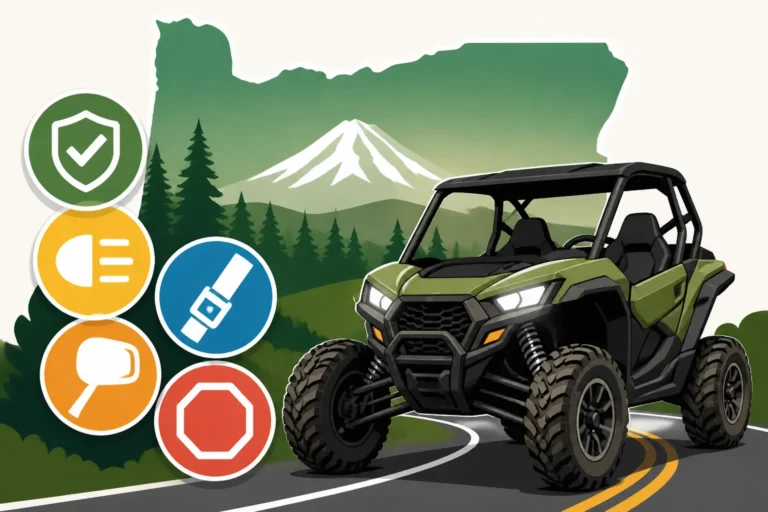
This is one of the most frequently asked questions and a common point of confusion: "Can I make my side-by-side street legal in Oregon?" For most machines over 50 inches, especially Class IV UTVs, the short answer is generally no when it comes to full street-legal registration and plating. Oregon's vehicle code is quite strict, and while certain Class II vehicles (like some custom dune buggies or heavily modified Jeeps) can jump through the hoops to get registered and plated for street use, a standard Class IV side-by-side typically cannot. The state simply doesn't recognize them as vehicles eligible for general highway use.
This often leads to frustration, especially for riders coming from states with more lenient street-legal UTV laws. It's critical to understand the difference between being "street legal" and using "Oregon's ATV Highway Access Routes." The latter are specific, very limited stretches of road in towns like Lakeside and Sumpter where OHVs, including Class IV machines, are permitted to travel between staging areas and trails. These are not general street legality. For the most part, if your machine is over 50 inches and falls into Class IV, you'll be trailering it to and from most riding locations. For more details on this often-misunderstood topic, you can read [Are ATVs Street Legal in Oregon?] and [Can You Plate a Side-by-Side in Oregon?].
Insurance and Other Requirements for Wider Vehicles
Regardless of your machine's width or class, if you plan to operate it in Oregon, you'll need an Oregon ATV Operating Permit and an Oregon ATV Safety Education Card. This applies equally to nimble 45-inch quads and wide 64-inch side-by-sides. The permit is a physical decal that must be affixed to your machine, demonstrating that you've paid the necessary fees to ride on public lands. [Oregon Permit Decals and Where They Go] explains exactly where these go.
Insurance requirements are a bit more nuanced. For most Class I, Class III, and Class IV machines used strictly off-road, Oregon does not mandate liability insurance. However, for Class II machines that can be registered for street use, mandatory insurance is a requirement, just like any other motor vehicle. Even if it's not legally required for your wider Class IV, carrying OHV insurance is always a smart move. Accidents happen, and having coverage protects you from potentially devastating financial responsibility for damage or injury to others. Many riders get a lot of useful accessories for their machines, from companies like SuperATV, and having insurance protects those investments as well. It's a small cost for significant peace of mind.
| OHV Class | Typical Width | Type of Machine | General Trail Access | Road Legal in Oregon? | Mandatory Insurance |
|---|---|---|---|---|---|
| Class I | Under 50" | Quads, sport ATVs | Broad (many trails) | No | No (off-road only) |
| Class II | Varies | Dune Buggies, Jeeps, Street Rails | Limited (specific routes/areas) | Yes (with specific registration) | Yes |
| Class III | Very Narrow | Dirt Bikes | Excellent (single-track) | No | No (off-road only) |
| Class IV | Over 50" | Side-by-Sides, UTVs | Moderate (wider trails/play areas) | No (generally) | No (off-road only) |
Essential Considerations for Owners of Wider ATVs and UTVs
Owning a wider off-highway vehicle in Oregon comes with specific responsibilities and considerations beyond just knowing the classifications. From ensuring you have the correct documentation to understanding how modifications might impact your machine's legality, being well-informed is key to a smooth and enjoyable riding experience. It’s not just about avoiding fines; it’s about safety and respecting the rules that preserve our riding areas for everyone.
Permits, Safety Cards, and Decals
Even if your machine is a mighty side-by-side that dwarfs a traditional quad, it still needs the standard Oregon ATV Operating Permit. This permit is valid for [How Long an Oregon ATV Permit Lasts], which is typically two years from the month of purchase. You can purchase these permits online or from numerous [Oregon Permit Agents You Can Walk Into] across the state. Remember, this isn't a registration like a car; it's an operating permit for off-highway use, and it's mandatory for riding on public lands.
In addition to the permit, every rider, regardless of age, needs an Oregon ATV Safety Education Card. This card signifies that you've passed an approved safety course and understand the basics of safe OHV operation. For adults, it's a simple online course; for younger riders, hands-on training may also be required. Even if you've been riding for decades, Oregon still requires you to obtain this card. Make sure both your permit decal is properly affixed to your machine (usually on the right-hand side for Class IV machines, as per [Decal Placement on a Class IV Machine]) and you carry your safety card (or proof of it) with you whenever you ride. Rangers and law enforcement routinely check for both.
Modifying Your Machine: What to Watch Out For
Many UTV owners love to customize and enhance their machines. Whether it's adding a lift kit, wider A-arms, or new tires, aftermarket parts can significantly improve performance and aesthetics. Companies like SuperATV offer a vast range of products designed to push the limits of your machine. However, when your machine is already "over 50 inches," you need to be mindful of how these modifications might further impact its dimensions or legal standing.
For example, installing wheel spacers or wider A-arms that push your width to, say, 70 or 72 inches is generally fine if you're planning to ride exclusively on trails open to wider machines. But if you somehow increase your machine's width to exceed the maximum legal width for Class IV (which Oregon defines as under 75 inches), you could technically move it into the Class II category, which has different rules entirely. Always measure your machine's final width after modifications and understand that certain trails might have even tighter restrictions, like a "60-inch max" for very specific routes. It's also important to ensure any modifications, especially to exhaust systems, still comply with [Oregon Sound Limits for ATVs] and [Oregon Spark Arrester Requirement] rules to avoid citations.
Planning Your Ride: Maps and Local Ordinances
The best way to avoid disappointment and ensure a legal, enjoyable ride is through meticulous planning. Before you even leave your driveway, consult up-to-date maps from the land management agencies for your intended destination. These maps are invaluable for identifying designated OHV trails, knowing their specific width restrictions, and understanding any seasonal closures or special rules. For instance, parts of the Oregon Dunes might have temporary closures for nesting birds like the snowy plover, or forest trails could be shut down due to fire danger.
Furthermore, be aware that local county ordinances can sometimes add another layer of rules, especially regarding road access. While most of Oregon generally prohibits OHV use on public roads, some counties might have specific, very limited exceptions. Always double-check with the local county sheriff's office or planning department if you're unsure about road access in a specific rural area. Never assume that just because a road looks "unmaintained" or "gravel" that it's open to OHV traffic. Sticking to clearly marked, designated OHV trails and routes will keep you out of trouble and allow you to fully enjoy your wider machine in Oregon's beautiful outdoors.
Disclaimer
This article is for general informational purposes only and does not constitute professional advice. Laws, prices and regulations vary by location and change over time. Consult a qualified professional for guidance on your specific situation.