Oregon Driver’s License Rules for Class IV
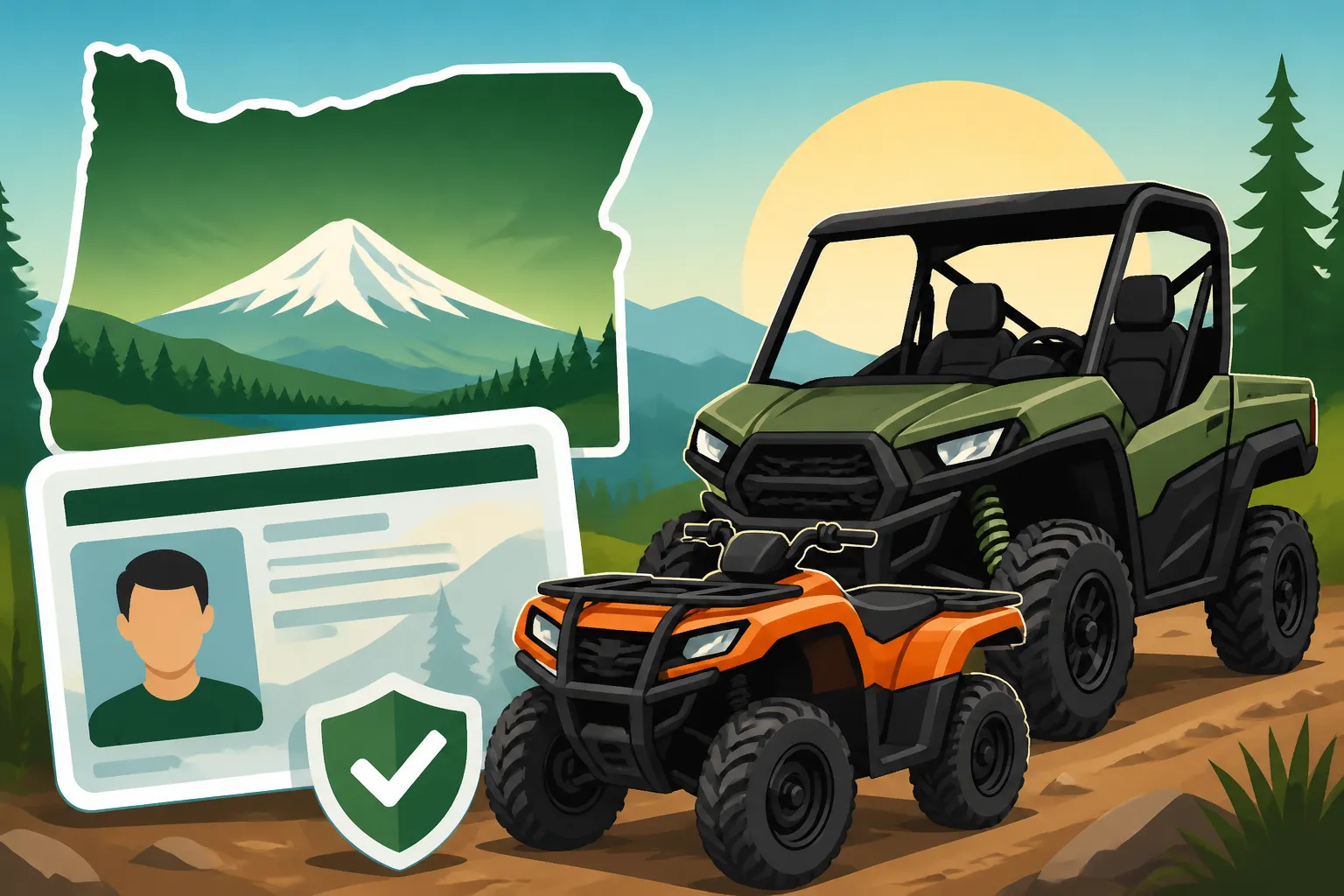
Navigating the world of off-highway vehicles (OHVs) in Oregon can sometimes feel like trying to solve a puzzle, especially when you start wondering about driver's licenses for your side-by-side or UTV. Many folks get confused, thinking that because their Class IV machine has a steering wheel and bucket seats, it must require a standard driver's license just like a car. This guide is here to untangle those rules, clarify what's actually needed for operating a Class IV machine in Oregon, and put your mind at ease.
Understanding Oregon's Class IV Definition for OHVs
Before we dive into driver's license specifics, it's crucial to understand what Oregon considers a Class IV Off-Highway Vehicle. The state has a very specific way of classifying these machines, and it directly impacts what permits, safety education, and yes, even licenses, you might need.
What Makes a Machine a Class IV Off-Highway Vehicle?
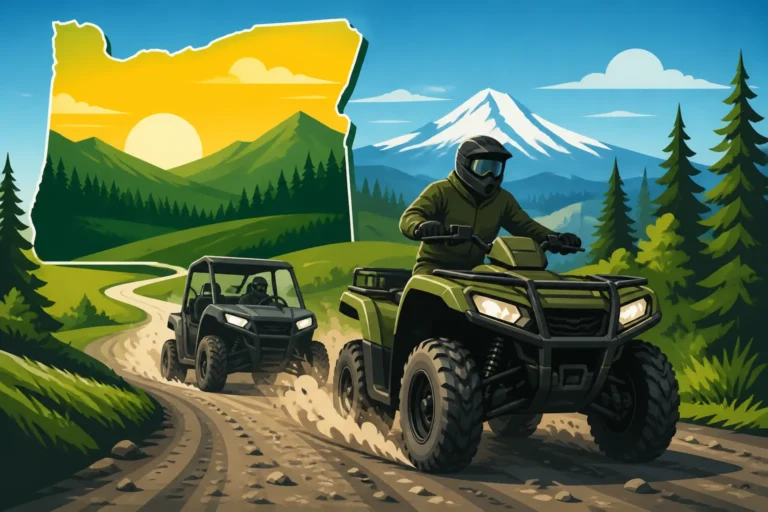
When we talk about a Class IV OHV in Oregon, we're almost always referring to what most people call a side-by-side, UTV, or sometimes a recreational off-highway vehicle (ROV). These machines are distinct from traditional ATVs (quads) in several key ways. They typically feature a steering wheel instead of handlebars, often have bucket or bench seating for multiple passengers, and are designed with a roll cage or similar protective structure. Think of popular models from Polaris, Can-Am, or Yamaha – those are the types of machines we're discussing.
Oregon law outlines specific characteristics, including width and weight limits, that define these machines. For instance, a Class IV machine is generally limited to [Oregon's Class IV Side-by-Sides Under 75 Inches] in width, and has a dry weight limit of 3,500 pounds. These aren't minor details; they're the foundational elements that separate a large UTV from a smaller quad (Class I) or an off-road motorcycle (Class III). This classification also helps differentiate them from street-legal vehicles or even specialized Class II machines that can sometimes be registered for road use, which is a whole different ballgame.
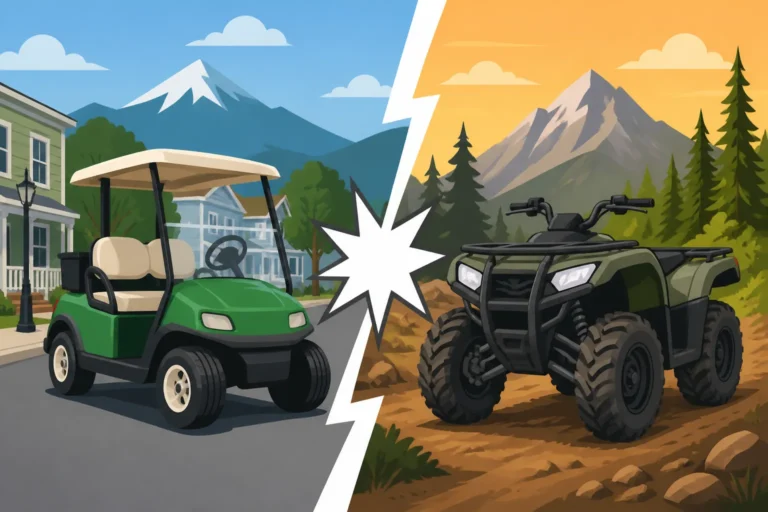
It's important to remember that, by their very nature, these are machines primarily designed for off-road adventures, whether that's tearing up the dunes, navigating forest trails, or exploring desert terrain. They aren't manufactured to be street legal, and their design reflects that purpose. This off-road focus is why the licensing requirements often differ significantly from what you'd expect for a car or truck.
The Importance of Classification for Licensing
The specific classification of your OHV under Oregon law isn't just bureaucratic jargon; it's the bedrock upon which all other rules are built. How your machine is classified directly determines whether you need an ATV operating permit, what kind of safety education is required, and yes, even if a standard driver's license enters the picture. This is where much of the confusion arises for new and even experienced riders.
For example, a Class I ATV (the traditional quad you straddle) has slightly different rules regarding youth operation compared to a Class IV side-by-side, even though both are OHVs. The distinct design features, such as the steering wheel and roll cage in a Class IV, influence safety recommendations and legal requirements. Because a side-by-side offers a more car-like experience, many operators incorrectly assume car-like licensing applies from the get-go.
Understanding your machine's class helps you comply with all state regulations, avoiding potential fines or safety hazards. Without this clear understanding, you might overlook a crucial requirement, like the safety education card, or mistakenly believe you need a driver's license when you don't. This guide aims to clear up that confusion specifically for Class IV machines, ensuring you're properly equipped with the right knowledge for your next Oregon adventure.
Driver's License Requirements for Class IV OHVs in Oregon
Now, let's get to the heart of the matter: do you need a driver's license to operate a Class IV OHV in Oregon? For most scenarios, the answer might surprise you, especially if you're used to traditional vehicle regulations.
Operating a Class IV Machine Off-Road
Here's the good news for the vast majority of Class IV operators: a standard Oregon driver's license is generally NOT required to operate a Class IV OHV on designated off-road trails, staging areas, or public OHV parks in Oregon. This includes popular spots like the Oregon Dunes, the Tillamook State Forest trails, or Millican Valley. Your side-by-side, in its capacity as an off-highway vehicle, falls under specific OHV regulations, not standard vehicle licensing laws, for purely off-road use.
Instead of a driver's license, the primary requirement for anyone operating any OHV on public lands in Oregon is the [Oregon ATV Safety Education Card]. This card certifies that you've completed an approved safety course and understand the rules for safe and responsible OHV operation. This applies to all operators, regardless of their age or whether they possess a driver's license for a car or truck. So, even if you're a seasoned driver with decades of experience on the road, you'll still need that separate OHV Safety Education Card for your side-by-side.
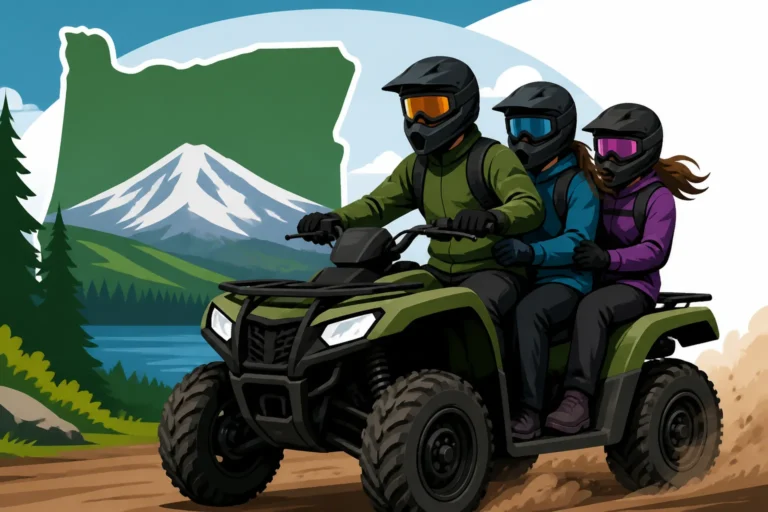
While there isn't a specific driver's license requirement, age does play a role in who can operate a Class IV machine and under what circumstances. Riders 16 years of age and older, possessing their safety card, can generally operate a Class IV machine independently. For younger riders, there are specific supervision rules, often requiring a parent or guardian who also holds a safety card to be present. The key takeaway here is to focus on the safety card and age requirements for off-road operation, not your regular driver's license.
When a Driver's License Might Be Relevant for Class IV
While a driver's license isn't typically needed for off-road Class IV operation, there are very specific and rare circumstances where it could become relevant. It's crucial to understand these exceptions to avoid misunderstanding the general rule.
The most common scenario where a driver's license would come into play for a Class IV machine is if it were to be legally modified and registered as a street-legal vehicle. This is an extremely complex and uncommon process for Class IV machines in Oregon. Unlike some Class II machines (which are typically larger, heavier vehicles like converted Jeeps or buggies, and which have specific provisions like the [Oregon's Class II Street-Legal Exception]), the path to making a standard production side-by-side truly "street legal" with a license plate for general road use is exceptionally difficult, if not impossible, under current Oregon statutes. If, by some rare conversion, a Class IV machine did become registered and plated for road use, then a valid driver's license would absolutely be required for operating it on public roads, just like any other motor vehicle. However, this is not the standard or expected use for a typical UTV.
Oregon does have a few designated [Oregon's Only Two Designated ATV Routes: Lakeside and Sumpter] that allow OHVs, including Class IV machines, to travel on specific sections of public roads to connect trails or access services. Even on these designated routes, while you are technically on a public road, the requirement is still the Oregon ATV Safety Education Card and an ATV Operating Permit, not a standard driver's license, for operating your Class IV machine as an OHV. These routes are designed as extensions of the OHV trail system, not as general highway access for unplated vehicles. Therefore, for the vast majority of Class IV side-by-side owners, your focus should remain on obtaining your ATV Safety Education Card and your operating permit, rather than worrying about your driver's license.
Safety Education Card vs. Driver's License for Class IV Operators
It's easy to conflate a driver's license with the Oregon ATV Safety Education Card, especially since both involve proving a level of competence behind the wheel (or handlebars). However, they serve distinctly different purposes and are generally required for different situations.
The Mandatory Oregon ATV Safety Education Card
Let's be unequivocally clear: if you plan to operate a Class IV OHV on public lands in Oregon, you absolutely must possess an [Oregon ATV Safety Education Card]. This isn't an optional extra; it's a mandatory certification that demonstrates you've learned and understood the specific rules, safety practices, and environmental considerations for off-highway vehicle use in the state. Think of it as your specialized license for the trails.
The course typically covers everything from rider responsibility and environmental ethics to proper machine operation and emergency procedures. It's designed to ensure that everyone enjoying Oregon's incredible OHV opportunities does so safely and respectfully. The great news is that taking the course is free, and you can often complete the knowledge portion online at your own pace. There might be a small administrative fee if you want a physical card mailed to you, but the education itself comes at no charge. The reason [Why Oregon Requires a Card at Every Age] is simple: even experienced adult drivers need to be familiar with the unique challenges and regulations of off-road riding.
So, regardless of your age or whether you have a driver's license, if you're going to operate a Class IV side-by-side on public land, get that safety education card. It's the primary credential you'll need to show if ever stopped by a ranger or law enforcement officer while out on the trails.
Age Rules and Supervision for Class IV Operators
Beyond the safety education card, age plays a significant role in who can operate a Class IV OHV in Oregon and whether supervision is required. This is another area where the rules diverge from typical driver's license requirements.
Generally, individuals 16 years of age and older who possess their Oregon ATV Safety Education Card can operate a Class IV machine independently on public lands. This means if you're 16, have passed your safety course, and obtained your card, you're good to go. The state acknowledges that by this age, with proper safety education, you have the capability to operate these machines responsibly.
For riders under the age of 16, the rules become a bit more nuanced and focus heavily on supervision. A rider under 16 operating a Class IV machine on public land must generally be under the direct supervision of a parent or guardian who also possesses a valid Oregon ATV Safety Education Card. The specifics can vary slightly depending on the exact age and the type of machine, but the overarching principle is ensuring experienced, certified adult oversight for younger operators. It’s important to remember that even if a 16-year-old has their standard driver's license, that license does not exempt them from needing the separate ATV Safety Education Card for off-road Class IV operation. It's two distinct credentials for two distinct types of driving.
Practical Considerations for Class IV Operators in Oregon
While understanding driver's license rules is important, there's a whole host of other critical information that Class IV operators need to know to enjoy Oregon's OHV opportunities safely and legally. It's about more than just a piece of plastic in your wallet; it's about being fully prepared for the trail.
Essential Gear and Rules Beyond Licensing
Beyond the safety education card, there are several other mandatory requirements and highly recommended practices for Class IV operators in Oregon. First up, helmets. While all riders under 18 are legally required to wear a helmet, as per [Oregon Helmets for Every Rider Under 18], it is strongly recommended for all operators and passengers of Class IV machines, regardless of age. Even with a roll cage and seatbelts, a helmet provides crucial protection in the event of a rollover or impact. Some enclosed side-by-sides might have exceptions depending on their specific design, but when in doubt, wear a helmet.
Next, we have environmental and mechanical compliance. Every OHV operating on public land in Oregon must be equipped with a U.S. Forest Service-approved [Oregon Spark Arrester Requirement] to prevent wildfires. This is non-negotiable and something rangers frequently check. Similarly, [Oregon Sound Limits for ATVs] are strictly enforced to minimize noise pollution and ensure a positive experience for all trail users and nearby communities. If you're considering aftermarket exhausts or other modifications, ensure they meet these sound standards. Reputable accessory manufacturers like SuperATV often provide compliant options, but it's always wise to double-check their specifications against Oregon's rules.
Finally, don't forget the all-important [Oregon's ATV Operating Permit]. This permit, typically displayed as a decal on your machine, is mandatory for all OHVs on public lands in Oregon, regardless of class. It helps fund the maintenance and development of the state's OHV trail system, so it's a direct contribution to the trails you love. Make sure you purchase and affix your permit correctly before heading out.
Best Practices for Enjoying Your Class IV in Oregon
Being a responsible Class IV operator in Oregon means going beyond just meeting the minimum legal requirements. It's about adopting best practices that ensure safety, protect our natural resources, and enhance the experience for everyone. Always know the specific rules of the riding area you plan to visit. Different areas, like the Oregon Dunes versus a dense forest trail system, can have unique regulations regarding speed, night riding, or restricted zones.
Always carry all your required documents with you. This includes your [Carrying a Permit Card on a Ride], your Oregon ATV Safety Education Card, and any other relevant identification. While some people store physical cards, many now keep digital copies on their phones. Just make sure it’s accessible and legible.
Respecting environmental closures is also paramount. Oregon is home to diverse ecosystems and sensitive wildlife, and temporary closures for things like [Snowy Plover Season on the Oregon Coast] or [Oregon Fire Season and Trail Access] are put in place for a reason. Ignoring these closures can lead to significant fines and harm critical habitats. Check conditions and closures before you go.
Finally, consider outfitting your Class IV machine with accessories that enhance both safety and compliance. For instance, proper lighting is essential for visibility, especially in dusty conditions or low light. A robust roll cage and good harnesses are key safety features. Aftermarket parts from companies like SuperATV can offer upgrades that improve performance while remaining compliant with Oregon's sound and spark arrester rules, ensuring your machine is not only capable but also legal and safe for the trails. Being prepared and informed makes for the best and most memorable adventures in Oregon's beautiful backcountry.
Here's a quick summary of the key differences:
| Requirement/Scenario | Driver's License | Oregon ATV Safety Education Card |
|---|---|---|
| Required for Class IV Off-Road? | No | Yes (for all ages) |
| Required for Street-Legal Class IV? | Yes (if legally converted & plated) | No (once street legal, standard vehicle rules apply; not an OHV for road use) |
| Minimum Age to Obtain (Approx.) | 16 (for Class C) | No age limit to take course; operational age rules vary |
| Proves Knowledge of Road Rules | Yes | No, focuses on OHV rules |
| Proves Knowledge of OHV Rules | No | Yes |
| Required for Out-of-State Visitors? | Varies by vehicle type & state | Yes (with reciprocity exceptions for certain states) |
Disclaimer
This article is for general informational purposes only and does not constitute professional advice. Laws, prices and regulations vary by location and change over time. Consult a qualified professional for guidance on your specific situation.