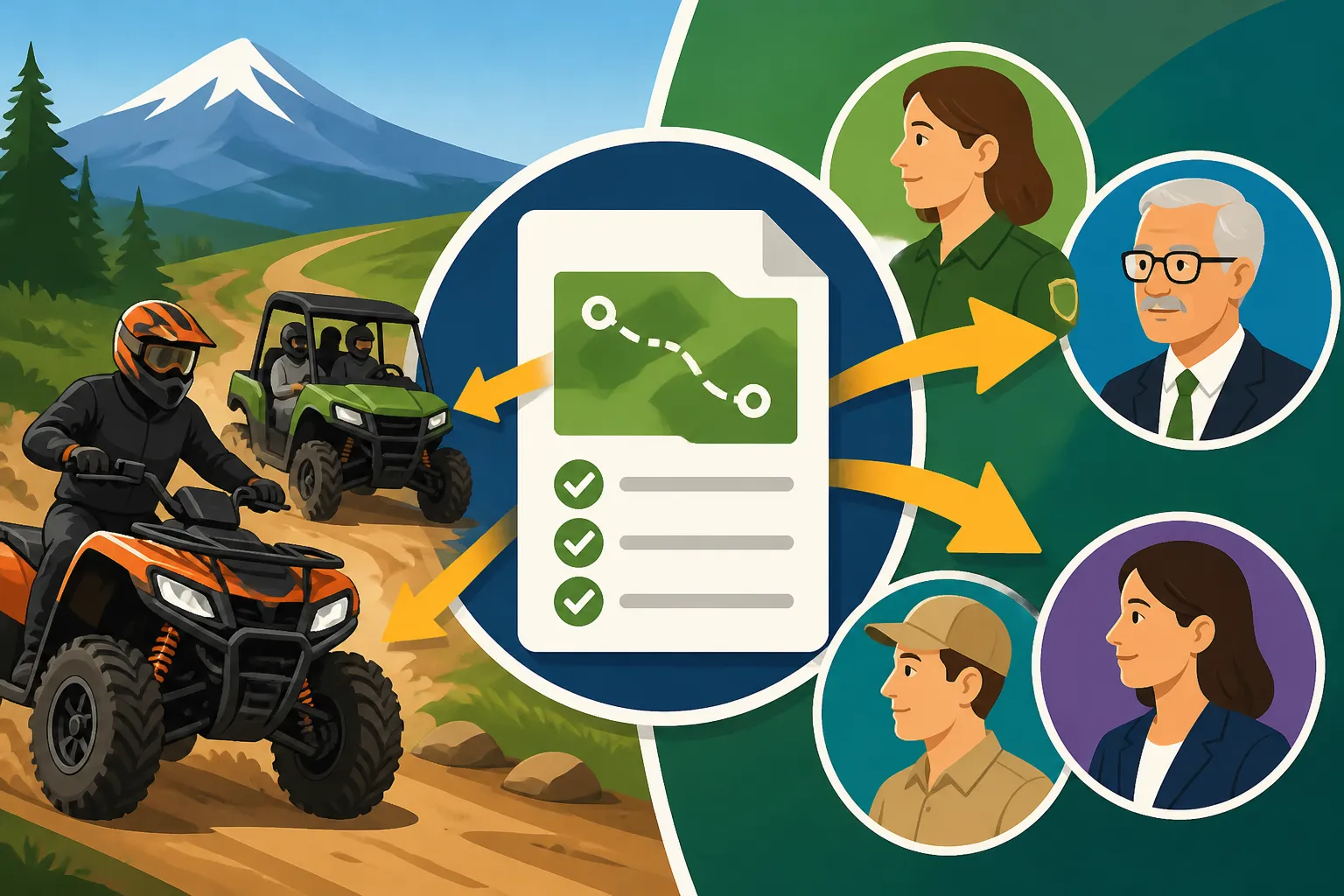
Who Reviews an Oregon Route Designation Application
It’s a common scenario for many of us who love hitting the trails on our ATVs and UTVs here in Oregon: you trailer your machine for what feels like ages, finally get to the staging area, unload, ride, and then have to load it all back up just to go grab a burger in the nearest town. That yearning for more direct access, for the ability to seamlessly transition from trail to town without the cumbersome logistics, is a very real frustration. This guide is all about understanding the official process for opening up those new connections – specifically, who actually reviews an Oregon route designation application when someone proposes to open up more roads for off-highway vehicles.
Understanding the Dream: Why More Roads Matter to Riders
For years, the dream for many Oregon ATV and UTV enthusiasts has been to have broader access to the state's incredible network of roads and trails. We love our designated OHV areas, don't get me wrong, but there's a practical side to riding that often gets overlooked: connecting the dots.
The Current Landscape of Limited Access
Right now, the reality for most ATV and UTV riders in Oregon is pretty restrictive when it comes to road use. Unless you have a street-legal Class II machine that meets very specific criteria and is registered with the DMV, or you're on one of the few designated routes, your off-road machine is essentially confined to designated off-highway vehicle areas or private land. This means a lot of loading and unloading, extra fuel for the tow rig, and sometimes skipping a local business because it's just too much of a hassle to get there.
Think about it: you’ve just finished a fantastic ride in the Tillamook State Forest or on the Oregon Dunes, your machine is muddy or sandy, and all you want is to grab a bite to eat or fill up your gas tank without the entire production of trailering. That’s why the idea of more designated routes resonates so deeply with the riding community. It’s not just about more places to ride, it’s about making the entire riding experience more convenient and integrated with our communities.
What a Designated Route Can Offer
Imagine a world where you could finish your ride at Browns Camp, then safely ride your side-by-side or quad down a county road for a few miles to grab supplies or a hot meal in a nearby town, all legally. That's the promise of a designated route. These routes are specifically identified by local and state authorities as suitable for shared use by off-highway vehicles and other traffic. They often connect established trail systems, allow access to small-town amenities like gas stations, restaurants, or lodging, and reduce the need for constant trailering.
We already have a couple of examples of this working well in Oregon, like the routes in [Oregon's Only Two Designated ATV Routes: Lakeside and Sumpter]. These routes have shown that with careful planning and community buy-in, it's possible to create opportunities for riders that also benefit local economies. It’s about more than just fun; it’s about practical access and supporting the places we love to visit.
The Official Players: Who's At the Table?
When an application comes forward to designate a new ATV or UTV route in Oregon, it's not a solo journey. There are several key agencies and bodies that get involved, each with their own specific role in the review and approval process. Understanding who these players are is crucial for anyone hoping to see new routes open up.
The Oregon Parks and Recreation Department OPRD: The First Stop
The [The Oregon Parks and Recreation Department's Role] in this entire process is usually where an application first lands. While OPRD might not be the final authority for approving state highway access routes, they are the primary agency responsible for managing Oregon's OHV program. This means they often act as the initial point of contact for individuals, groups, or local governments who want to propose a new route.
Their role is multifaceted: they guide applicants through the necessary steps, ensure that proposals align with existing OHV policies and safety guidelines, and often facilitate the initial reviews. They help shepherd the application through the various stages, collecting necessary information and coordinating with other agencies. Think of them as the expert navigators who know the lay of the land for OHV-related matters in the state. They're there to help ensure applications are comprehensive and address all relevant concerns before moving up the chain.
The Oregon Transportation Commission: The Decision Makers
Ultimately, when it comes to designating routes that involve state highways or have significant transportation implications, the Oregon Transportation Commission is the body that holds the authority to make the final decision. This commission is responsible for setting transportation policy, approving major projects, and overseeing the state's transportation system, which includes our roads and highways.
When an ATV or UTV route designation application reaches the Commission, they are looking at a much broader picture than just rider convenience. They consider factors like overall public safety, the impact on existing traffic flow, engineering feasibility, and alignment with state transportation goals. Their decisions are based on a careful weighing of many different interests, informed by recommendations from advisory committees and public input. It's a significant step, and their approval means a thorough vetting process has occurred. What the Transportation Commission Decides is binding, which means their review is absolutely critical.
The Advisory Committee: Guiding the Process
While the Oregon Transportation Commission makes the ultimate decision, they don't operate in a vacuum. They rely heavily on the expertise and recommendations of a specialized advisory committee that dives deep into the specifics of each application.
The ATV Highway Access Routes Advisory Committee: Expertise and Recommendations
This is where the rubber meets the road, so to speak, for route designation applications. The [Inside Oregon's ATV Highway Access Routes Advisory Committee] plays a vital role in reviewing proposals and making informed recommendations to the Oregon Transportation Commission. This committee is typically composed of a diverse group of stakeholders, including representatives from the riding community, landowners, state agencies, law enforcement, and local governments. This diverse composition ensures that a wide range of perspectives and expertise is brought to the table.
Their primary job is to thoroughly evaluate each application. They look at the proposed route's safety aspects, its potential economic impact on local communities, any environmental considerations, and the level of local support. They’ll also assess the practicalities, like signage, maintenance, and how the route would integrate with existing road networks. Their recommendations are incredibly influential, providing the Transportation Commission with a detailed analysis and a proposed course of action. They are the ones who dig into the details to make sure a proposed route is feasible, safe, and beneficial. [Who Sits on Oregon's OHV Advisory Committee] often includes people with direct experience on the ground, making their insights invaluable.
Local Government and Community Input: A Crucial Voice
Beyond the state-level committees and commissions, the support of local governments and the community is absolutely paramount. No route designation application will get very far without strong backing from the county commissioners, city councils, or other local governing bodies whose roads are being proposed for shared use. They are the ones who know their local roads, traffic patterns, and community sentiments best.
Local governments often initiate these applications, or at least must be heavily involved in the process. They pass local ordinances, conduct public hearings to gather input from residents, and ultimately represent the interests of their constituents. Their endorsement signals that the proposal has local buy-in and that potential concerns from residents or businesses have been considered. For example, local initiatives like [Union County Ordinance 2019-01] demonstrate how a county can take proactive steps to facilitate ATV access on certain roads, which then feeds into a larger state-level discussion about route designation. Riders who want to see more access need to be actively engaged with their local officials, advocating for their vision and demonstrating the positive impacts these routes can have.
The Application Journey: From Idea to Reality
Getting a new ATV or UTV route designated in Oregon is a journey that requires careful planning, collaboration, and patience. It's much more involved than simply saying, "Hey, let's ride here!"
The Nitty-Gritty: What an Application Entails
When a local government or an organization decides to move forward with proposing a new route, the application process itself is quite detailed. It’s not just a simple form you fill out and mail in. A comprehensive application will need to include:
- Detailed Maps: Clearly outlining the proposed route, including specific roads, intersections, and any connecting trails. This helps everyone visualize the plan.
- Safety Analysis: A thorough assessment of potential safety concerns along the route, such as blind corners, heavy traffic areas, speed limits, and how these will be mitigated. This might involve looking at existing traffic data and proposing specific safety measures like signage or speed reductions.
- Local Ordinances: Evidence that the local government (county or city) has formally endorsed the route, often through a resolution or ordinance. This is a critical piece, as state approval often hinges on local support.
- Economic Impact Assessment: Information on how the proposed route could benefit local businesses, tourism, and the community. This helps make a strong case for the route's value.
- Community Input: Documentation of public meetings, surveys, or other ways the community has provided feedback and expressed support (or concerns) about the proposal.
- Signage and Maintenance Plans: Details on how the route will be marked for riders and other drivers, and who will be responsible for ongoing maintenance.
When considering how ATVs and UTVs would integrate with road use, factors like machine capability come into play. Many riders already equip their machines with robust accessories from companies like SuperATV, such as improved lighting or suspension systems, which can enhance safety and comfort for varied terrain, including road sections. While the application itself focuses on route designation, not machine modification, the desire for safe, capable machines for mixed-use riding is certainly part of the broader conversation. The more detailed and robust the application, the better its chances of navigating the review process successfully. [Getting a Town Route Designated] effectively means navigating all these requirements.
The Review Process: Steps and Stakeholders
Once an application is submitted, it embarks on a multi-stage review journey:
- Initial Review by OPRD: The Oregon Parks and Recreation Department typically conducts the first review to ensure the application is complete and meets the basic requirements of the state’s OHV program. They might offer suggestions for improvement or request additional information.
- Advisory Committee Review: The application then goes to the ATV Highway Access Routes Advisory Committee. This committee scrutinizes the details, often conducts site visits or additional research, and holds meetings to discuss the proposal. They then formulate their recommendations for the Oregon Transportation Commission.
- Public Comment Period: Often, there will be an opportunity for the public to review the application and provide comments. This is a crucial chance for riders, residents, and other stakeholders to voice their support or concerns.
- Transportation Commission Deliberation: Finally, the Oregon Transportation Commission reviews the application, the advisory committee's recommendations, and all public comments. They then deliberate and make their final decision. This is where all the groundwork laid by the applicants and committees comes to fruition.
This entire process can take time, sometimes even years, because it involves careful consideration, multiple layers of review, and extensive stakeholder engagement. It’s a testament to the state’s commitment to ensuring that any new access points are safe, well-planned, and beneficial for all users. While the application focuses on infrastructure and policy, the real-world experience of riders, often enhanced by aftermarket parts from companies like SuperATV, underscores the practical need for these routes, as they allow for better [Riding to a Trailhead] and connecting different riding areas. Whether you're envisioning riding through [Riding an ATV Through Lakeside] or cruising to a staging area, the process for designating these routes is a thorough and collaborative effort.
Here's a quick overview of who does what:
| Entity | Primary Role in Route Designation | Key Responsibilities |
|---|---|---|
| Oregon Parks and Recreation Department | Initial point of contact; coordinator and guide for applicants. | Provides application guidance, ensures compliance with OHV program goals, and facilitates committee review. |
| ATV Highway Access Routes Advisory Committee | Reviews applications, gathers input, and makes recommendations to the Transportation Commission. | Assesses feasibility, safety, and community impact; includes riders, landowners, and agency representatives. |
| Oregon Transportation Commission | The ultimate decision-making body for designating state highway access routes. | Evaluates recommendations, considers public input, and makes final rulings based on statutory authority. |
| Local Governments (Counties/Cities) | Initiate applications, provide local context, and ensure community support. | Pass local ordinances, conduct public hearings, represent local interests, and maintain local roads. |
| Public/Riders | Provide input and support; advocate for specific routes. | Attend meetings, submit comments, and demonstrate community desire for expanded access. |
Disclaimer
This article is for general informational purposes only and does not constitute professional advice. Laws, prices and regulations vary by location and change over time. Consult a qualified professional for guidance on your specific situation.