Courses Run by a 4-H Program
A 4-H ATV course can build practical riding skills, but confirm it meets Oregon’s hands-on training and safety-card requirements before enrolling.
Your sticker stops at the state line.
Non-resident permits, what they cost and how long they last, and which states honor each other’s — or, increasingly, none at all.

A 4-H ATV course can build practical riding skills, but confirm it meets Oregon’s hands-on training and safety-card requirements before enrolling.
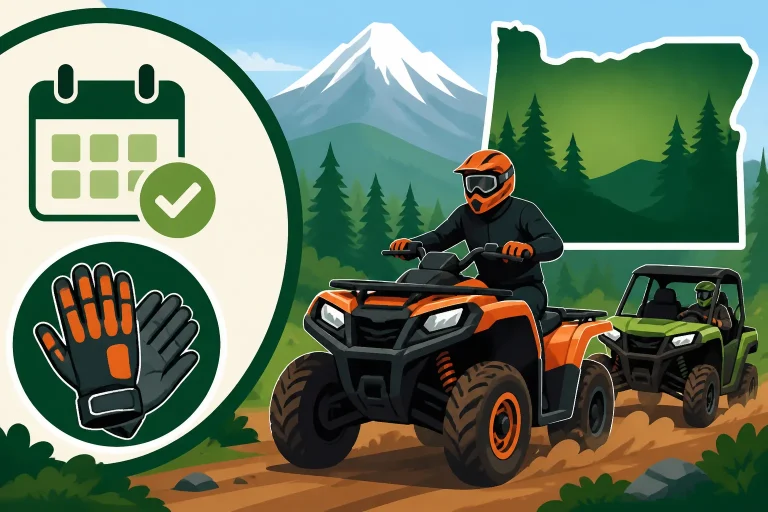
Booking an Oregon hands-on ATV course means checking rider eligibility, finding an approved provider, arranging practice, and finishing card steps on time.

Oregon’s 180-day instructional permit gives youth time for supervised training; it is not the ATV operating permit, which lasts two years.
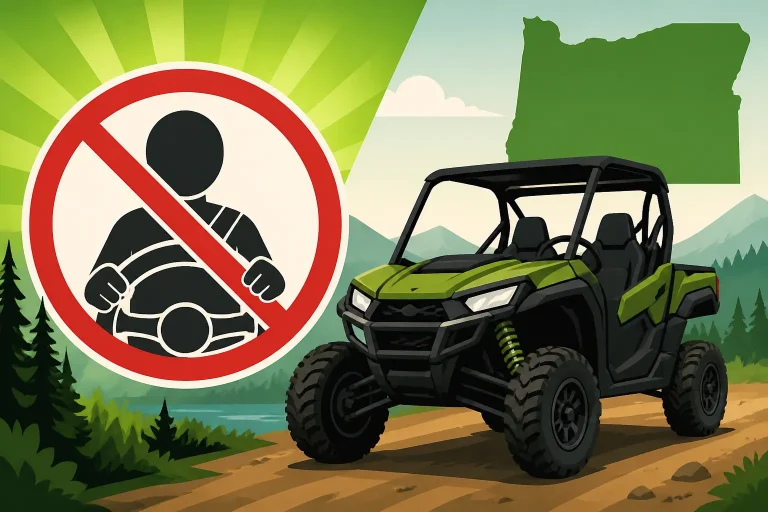
Oregon side-by-side drivers may qualify without an ATV Safety Education Card, but Class IV status and the separate operating permit still matter.

Showing an Oregon safety card on your phone is convenient when the card is saved offline, easy to read, and backed up before you ride.

Oregon ATV safety cards: print the temporary card after passing, keep proof accessible, and expect the permanent card by mail before riding public land.
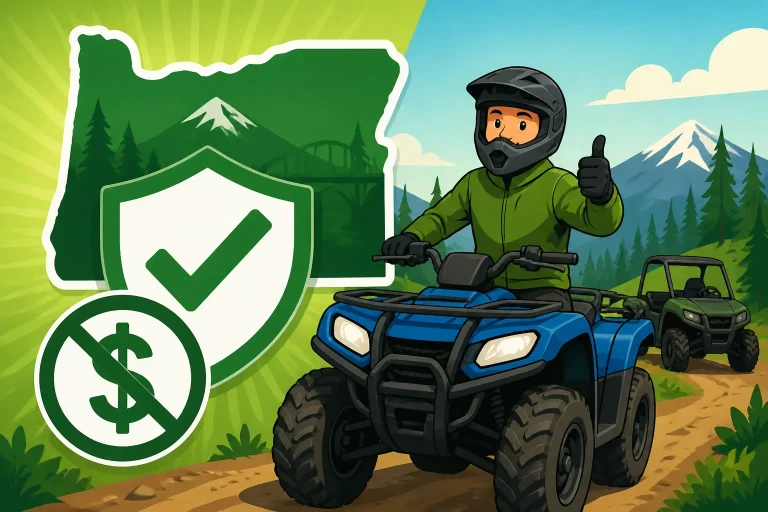
Oregon’s ATV safety card and official online course are free, but riders must follow class-specific training rules and obtain a separate operating permit.

Oregon ATV rentals for teens depend on vehicle class, age, safety credentials, supervision, and helmets; confirm the rules and permit coverage before booking.

Oregon commercial ATV and UTV guides need to check machine permits, rider qualifications, route access and separate approval for paid trips.

Oregon ATV race and event permits depend on the land manager; get written authorization and confirm each rider’s machine, safety and site requirements.