Helmet Rules for a Teenager in a Caged Side-by-Side
It's a frustrating situation, isn't it? You invest in a side-by-side, thinking it offers a more enclosed, safer experience for your family, especially your teenagers. You see that robust roll cage, the seatbelts, perhaps even a windshield or doors, and you naturally wonder: do they really still need to wear a helmet? It feels almost counterintuitive when you compare it to an open quad. This guide is here to clear up that very common confusion and walk you through Oregon's specific helmet rules for teenagers riding in caged side-by-sides, ensuring you stay safe and compliant on the trails.
Understanding Oregon's ATV Safety Card and Helmet Mandates
Oregon takes ATV safety seriously, and when it comes to younger riders, the rules are pretty straightforward, even if they sometimes feel a bit redundant in modern machines. The core idea is to protect riders, especially those who are still developing their judgment and reaction skills.
The Blanket Rule: Everyone Under 18 Needs a Helmet
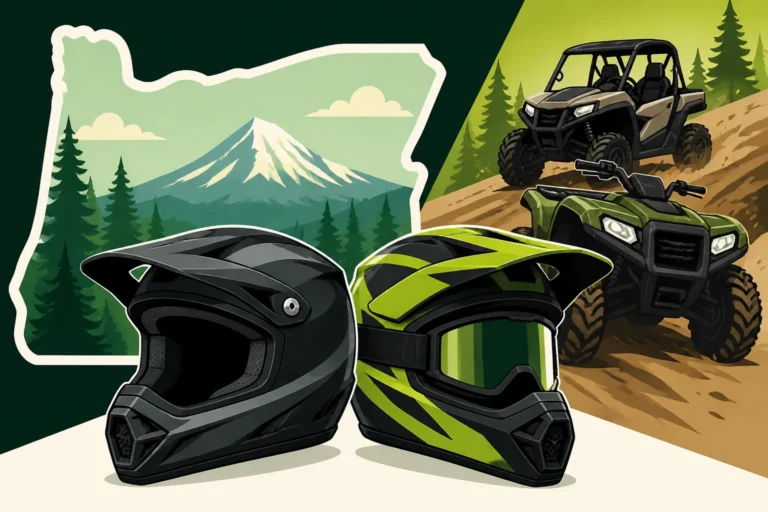
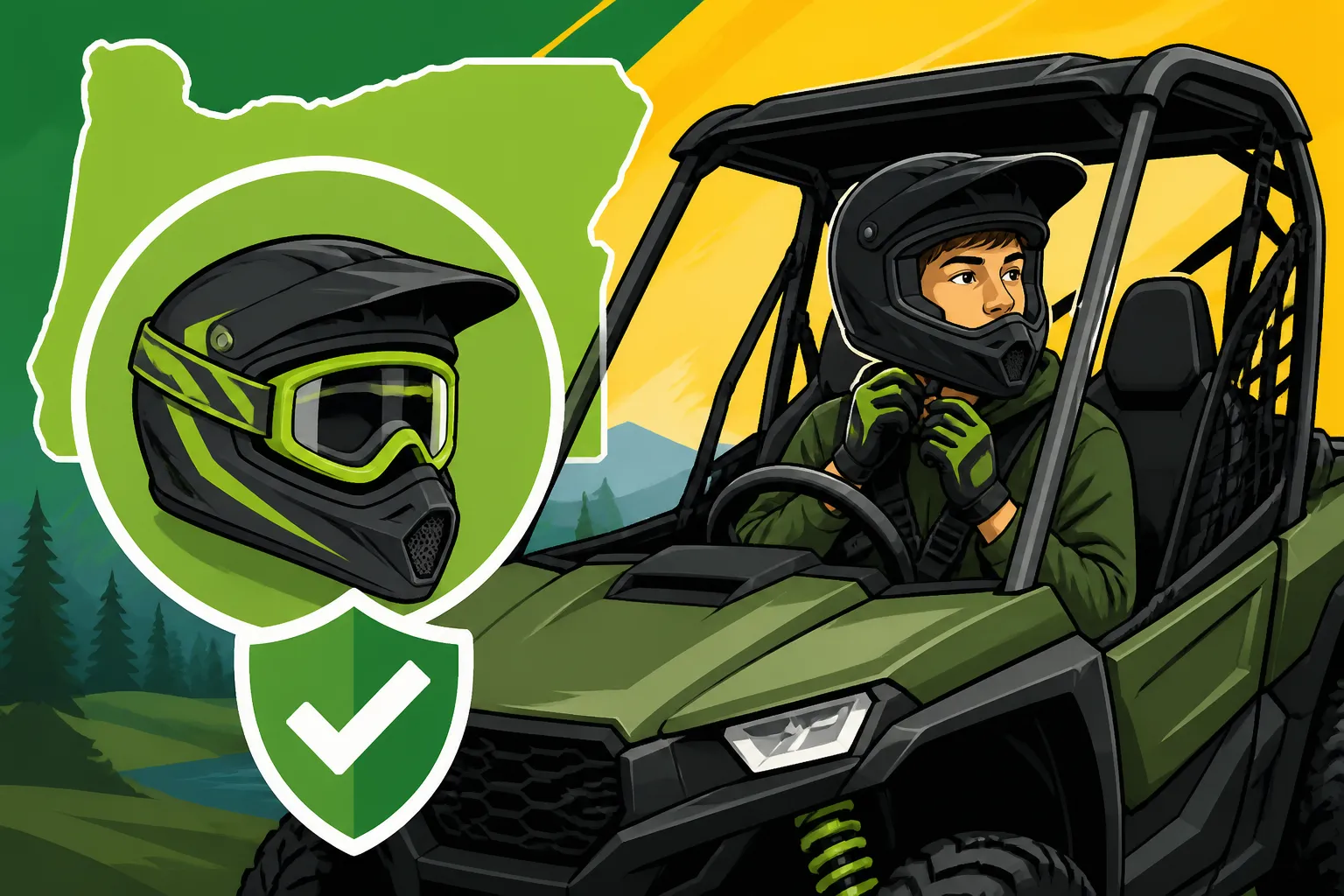
Here's the deal: in Oregon, if you're under the age of 18, a helmet is not optional when riding an ATV or UTV on public lands. Period. That solid roll cage, those factory seatbelts, the doors you might have added—none of those features negate the requirement for a minor to wear a Department of Transportation (DOT) compliant helmet. It’s a blanket rule designed to offer the highest level of head protection for young riders, regardless of the machine's configuration. The law doesn't differentiate between a traditional quad and a caged side-by-side for minors; the vulnerability of a young rider's head is prioritized above all else. This can feel a little over-the-top when your teenager is strapped securely into a full cage, but the law's intent is clear: minimize head injury risk for those under 18. This is a critical piece of information to understand, and you can delve deeper into the specifics of [Oregon Helmet Law for Riders Under 18].
The thinking behind this rule comes from years of data about off-highway vehicle accidents. While a roll cage certainly offers protection in a rollover event, it doesn't prevent all head impacts, especially with potential projectiles, unexpected jolts, or even just hitting your head on an interior bar during a particularly rough patch of trail. A helmet provides that crucial layer of impact absorption right where it's needed most. You might have even experienced a sudden jolt yourself, where your head snaps back or sideways, even while belted. For a developing body, that kind of impact can be far more serious without proper headgear. So, while your side-by-side feels safe, Oregon's regulations are really looking at every possible scenario for young riders.
The Role of the ATV Safety Education Card
Beyond just the helmet, Oregon also requires an ATV Safety Education Card for most riders, especially those under 18. While this isn't directly about wearing a helmet, it's part of the overarching safety framework that Oregon has established. Having this card means your teenager has completed a course that teaches responsible riding practices, awareness of trail hazards, and the importance of appropriate safety gear. It's about building a foundation of knowledge that complements the physical protection offered by a helmet. Think of it as intellectual armor to go along with their physical armor. You can learn more about [Oregon ATV Safety Card Requirements] for your teen.
For a parent, ensuring your teenager has this card and understands its lessons provides an extra layer of reassurance. It means they've been formally educated on safety beyond just what you've taught them. This knowledge can lead to better decision-making on the trail, reducing the likelihood of incidents where a helmet becomes absolutely critical. So, even if the cage feels like a fortress, combining a safety card with a helmet reinforces a comprehensive approach to keeping your kids safe while enjoying Oregon's incredible backcountry. It's all part of the big picture for responsible off-roading.
Specifics for Caged Side-by-Sides in Oregon
This is where a lot of the confusion often comes into play. The sheer variety of off-road vehicles available today makes it hard to create one-size-fits-all regulations without some nuance. Oregon's laws do have some distinctions, but they don't always apply how you might expect, particularly when minors are involved.
What Constitutes a "Caged" Machine?
In Oregon, what most of us affectionately call a "caged side-by-side" typically falls under the classification of a Class IV all-terrain vehicle. These are generally defined by their width (up to 75 inches wide), their seating (non-straddle, meaning bench or bucket seats), and often, yes, that integrated roll-over protective structure, or ROPS, which is essentially the cage you're seeing. Features like seatbelts (often three-point or four-point harnesses), steering wheels instead of handlebars, and sometimes even optional doors or windshields further distinguish them from traditional ATVs or off-road motorcycles. These machines are designed for multiple passengers and provide a more car-like experience. For a deeper dive, check out [Oregon's Class IV Side-by-Sides Under 75 Inches].
When you look at a modern side-by-side, especially models from manufacturers like Polaris, Can-Am, or Yamaha, it's clear they're built with significant safety features from the factory. The robust roll bars and integrated restraints make them feel very secure. It's this feeling of security that often leads parents to question the helmet rule for their kids. They're already strapped in, inside a protective frame—surely that's enough? Unfortunately, for minors, the answer from Oregon's rulebook is still a resounding "no, it's not enough." The presence of a cage, no matter how sturdy or feature-rich, does not create a helmet exemption for anyone under 18.
When Does the Cage (or lack thereof) Matter for Helmets?
This is the absolute crux of the issue, and it's where a lot of people misunderstand Oregon's regulations. For adults (those 18 and older), there is a specific exemption to the helmet rule, but it applies only to certain Class II ATVs and under very particular conditions. A Class II machine is defined differently than your typical side-by-side; it often refers to vehicles like a specific type of dune buggy or sand rail that can be street-legal. The exemption for adults kicks in if that Class II machine has an enclosed cab, a roll bar, and seatbelts. This is the exception you might have heard about, leading you to believe it applies to all caged vehicles.
However, and this is critical, that adult Class II exemption does not extend to minors or to Class IV side-by-sides. If your teenager is riding in your Class IV side-by-side, regardless of how robust its cage, how secure its seatbelts, or how many aftermarket safety features (like those from SuperATV) you've installed, they still need to wear a DOT-compliant helmet. The law's differentiation for Class II adult riders does not create a loophole for teenagers in any other class of OHV. This distinction is often confusing because many people assume "caged vehicle" means "no helmet required for anyone." But Oregon's regulations are very clear: if you're under 18, on any ATV or UTV on public lands, the helmet stays on. It's important to understand the nuance of [When a Class II Roof Exempts You] to see why it doesn't apply to your teen in a side-by-side.
So, while you might see an adult riding a street-legal Class II machine without a helmet due to this specific exemption, that same rule does not apply to their 16-year-old passenger in the same vehicle, nor does it apply to a teenager driving or riding in your typical Class IV side-by-side. The state prioritizes the safety of young riders with this steadfast rule.
Here’s a quick breakdown to help clarify:
| Rider Age | OHV Class (Typical Machine) | Helmet Required (Public Lands) | Notes |
|---|---|---|---|
| Under 18 | Class I (Quad) | Yes | Always, no exceptions. |
| Under 18 | Class II (Dune Buggy/Rail) | Yes | Always, even if adult operator is exempt. |
| Under 18 | Class III (Dirt Bike) | Yes | Always, no exceptions. |
| Under 18 | Class IV (Side-by-Side) | Yes | Always, regardless of roll cage, seatbelts, roof, or other safety features. |
| 18+ | Class I (Quad) | Yes | If machine has handlebars and straddle seating. |
| 18+ | Class II (Dune Buggy/Rail) | No | IF the machine has an enclosed cab, roll bar, AND seatbelts. This is the key exception. |
| 18+ | Class III (Dirt Bike) | Yes | Always. |
| 18+ | Class IV (Side-by-Side) | Yes | If machine has a steering wheel, non-straddle seating, but DOES NOT meet the Class II "enclosed cab" exemption. (Most side-by-sides fall here). |
This table should make it clearer that the rule for minors is universally "yes," and the adult exemptions are very specific and do not generally include typical Class IV side-by-sides. If you're pondering [Why a Side-by-Side Driver May Not Need One], remember that this only applies to adults and specific Class II vehicles.
Practical Advice for Riding with Teenagers in Oregon
Navigating the rules and ensuring safety for your teenagers in a side-by-side doesn't have to be a headache. It just requires a little preparation and a clear understanding of expectations before you hit the trail.
Choosing the Right Helmet and Gear
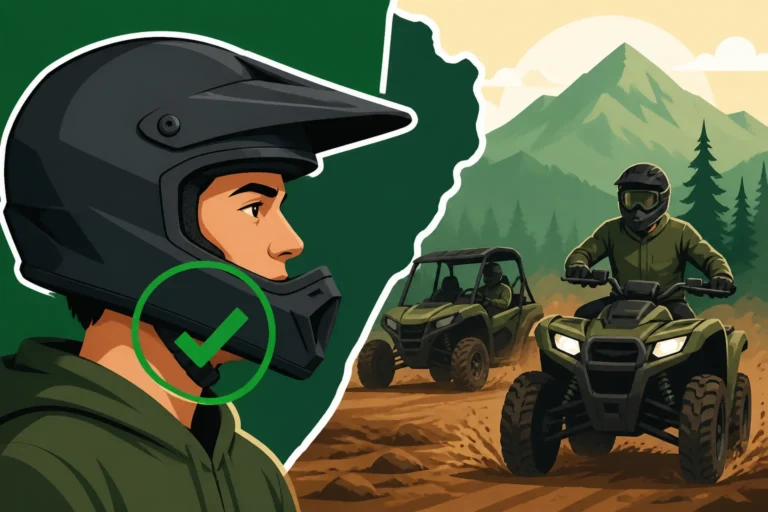
Since your teenager absolutely needs a helmet, making sure it's the right one is paramount. Don't just grab any helmet; invest in a quality, DOT-compliant helmet that fits properly. A helmet that's too big can shift around and offer less protection, while one that's too small will be uncomfortable and could even hinder vision. You'll want to measure your teenager's head circumference and refer to the manufacturer's sizing chart. Try it on, shake their head gently; it should feel snug without being painfully tight, and it shouldn't wobble. Ensure [The Chin Strap Rule Oregon Enforces] is followed, meaning the strap is securely fastened under their chin at all times.
Beyond the helmet, think about other protective gear. While a side-by-side offers more enclosure than a quad, flying debris, branches, or even just the elements can still be a factor. Goggles are essential for eye protection, even with a windshield, as dust and small particles can still find their way in. Long sleeves and pants, gloves, and sturdy over-the-ankle boots complete the ensemble, protecting against abrasions, cuts, and minor impacts. Brands like SuperATV offer excellent accessories like full windshields and side panels that can help keep dust and mud out, adding comfort and reducing the chance of something getting inside the cage, but remember these are still supplemental to a helmet for minors. Always prioritize impact-rated gear. You can find more information on specific helmet certifications in [DOT and Snell Helmets in Oregon].
Supervising Young Riders and Setting Expectations
Even with all the right gear and a safety card, active supervision is crucial for young riders. Oregon has specific [Oregon Rules for Riders Under 16], and while your teenager might be older, the principles of watchful guidance remain important. Before every ride, have a clear conversation about the day's plan, potential hazards, and reiterate safety rules. Emphasize that speed limits, maintaining safe distances, and staying on designated trails are non-negotiable. Leading by example is incredibly powerful; if you consistently wear your own helmet (even if you're an adult technically exempt in a Class II machine), your teenager will be more likely to embrace the habit without question.
In a side-by-side, if your teen is driving, ensure they understand the machine's capabilities and limitations. If they are a passenger, they need to know how to properly brace themselves and keep their limbs inside the vehicle at all times. Discussing [Oregon Passenger Rules in a Side-by-Side] can be a good refresher. Establishing these ground rules and having open communication can prevent many potential issues and foster a culture of safety within your riding group.
The Consequences of Non-Compliance
Ignoring Oregon's helmet rules for minors isn't just a safety risk; it can also lead to legal repercussions. If a ranger or law enforcement officer observes a minor riding without a helmet on public land, you could face a citation. These aren't just minor inconveniences; they can involve fines and can put a damper on your entire outing. While the exact cost can vary, it's categorized as a Class C traffic violation. The financial penalty is one thing, but the potential for an officer to end your ride or even impound your machine for repeated infractions is a serious consideration. [Oregon Fines for Riding Without a Safety Card] can give you a sense of the state's approach to safety compliance.
Beyond the legal aspect, the ultimate consequence of not wearing a helmet is, of course, the increased risk of severe head injury. While we all hope for incident-free rides, accidents can happen, even to the most experienced riders. The helmet is the last line of defense for the most vital part of the body. By ensuring your teenager always wears a helmet in their side-by-side, you're not just complying with the law; you're actively protecting them and promoting a safer, more responsible off-roading experience for everyone.
Disclaimer
This article is for general informational purposes only and does not constitute professional advice. Laws, prices and regulations vary by location and change over time. Consult a qualified professional for guidance on your specific situation.