Buckling a Child Into a Cage
Getting your kids out on the trails with you in a side-by-side or UTV is one of the joys of Oregon's incredible outdoor access. But if you’re like a lot of parents, you might be scratching your head trying to figure out the safest way to buckle in your little ones. It's not as simple as strapping them into a car seat in your daily driver, and the specific dynamics of off-road riding, coupled with Oregon’s nuanced safety recommendations, can make it a real head-scratcher. This guide is here to walk you through the ins and outs of securing children in a caged off-road machine, ensuring their safety and your peace of mind on every adventure.
The Unique Challenges of Caged Machines and Child Safety in Oregon
When you think about strapping a child into a vehicle, your mind probably jumps straight to car seats, booster seats, and the familiar three-point seat belts in your sedan or SUV. But off-road machines like side-by-sides, even with their protective cages, are a completely different beast. The safety systems are designed for a different kind of occupant and a different kind of impact, which means we, as parents, need to approach child safety with a specific mindset.
Why UTVs Aren't Like Cars for Child Restraints
One of the biggest frustrations I hear from fellow riders is the assumption that a UTV's factory seat belt system is just like a car's. It simply isn't. Car seats and boosters are rigorously tested for passenger vehicles, designed to work in conjunction with specific three-point seat belt geometries and crumple zones. UTVs, while often equipped with three-point belts (and sometimes four or five-point harnesses from the factory), are built for off-road environments where jarring bumps, sharp turns, and potential rollovers are part of the game.
The factory seat belts in most side-by-sides are primarily designed for adult bodies. For a smaller child, especially one who hasn't reached the minimum height and weight for a booster seat in a car, these belts can fit improperly, riding too high on the neck or not snugly across the hips. In an impact or even a sudden stop on a rough trail, an ill-fitting belt can cause more harm than good, leading to internal injuries or ejection from the seat. This fundamental difference is why we can't just throw a standard car seat into a UTV and call it good; special considerations are absolutely necessary.
Understanding Oregon's General Rules for Passengers
Oregon is pretty clear that safety is paramount, especially when it comes to riding off-road. While the state has specific guidelines for passengers, especially youth, it's not always a one-size-fits-all rule for every machine. Generally, Oregon advises that all passengers, regardless of age, must be able to reach the machine's footrests or floorboards while seated and have a secure handhold. This is critical in a side-by-side, where uneven terrain can toss riders around.
For enclosed machines, like many Class IV side-by-sides, the protective cage offers a measure of containment, but it doesn't replace proper harnessing. The primary goal is to keep everyone securely inside the vehicle and prevent any part of their body from extending beyond the protective structure during a ride. You'll find that [Oregon Passenger Rules in a Side-by-Side] generally emphasize the ability to maintain a secure riding position, and for children, this almost always means more than just a factory three-point belt.
It's also important to remember that driver requirements often impact who can operate a machine with passengers. For Class IV machines, which many larger side-by-sides fall under, a driver's license is often required when operating on designated roads or trails. This isn't just about driving skill; it's about the responsibility of safely transporting others, particularly young passengers. Make sure you understand [Oregon's Class IV Side-by-Sides Under 75 Inches] and how they relate to your specific machine and its intended use.
Essential Gear for Securing Young Riders in Your Side-by-Side
Once you understand that a UTV is not a car, the next logical step is to explore what does work for keeping kids safe. The market for off-road specific child safety gear has grown tremendously, thanks to dedicated parents and innovative companies recognizing the need. Forget repurposing your minivan's booster seat; we're talking about gear designed for the unique demands of the trail.
When a Standard Seat Belt Isn't Enough (and What Is)
As mentioned, the factory three-point seat belts found in many side-by-sides are often ill-suited for smaller children. They might leave too much slack, or the shoulder strap might cut across a child’s neck rather than their shoulder, which is a significant safety hazard. This isn't a knock against the machine; it's just a reality of vehicle design for varying occupant sizes.
For kids who are too small for a proper fit with the stock seat belt, you need to look at alternatives. This typically means either a specialized UTV-specific child seat that uses a separate harnessing system, or an adapter that allows a car-style booster seat to integrate more safely with a UTV's frame and seat. Simply putting a child on a booster seat without proper belt positioning adapters can still be dangerous, as the booster itself isn't anchored, and the belt may still fit incorrectly. The key is to ensure the restraint system holds the child snugly against the seat, distributing impact forces across their hips and shoulders, not their soft abdomen or neck.
The Role of Aftermarket Harnesses and Child-Specific Restraints
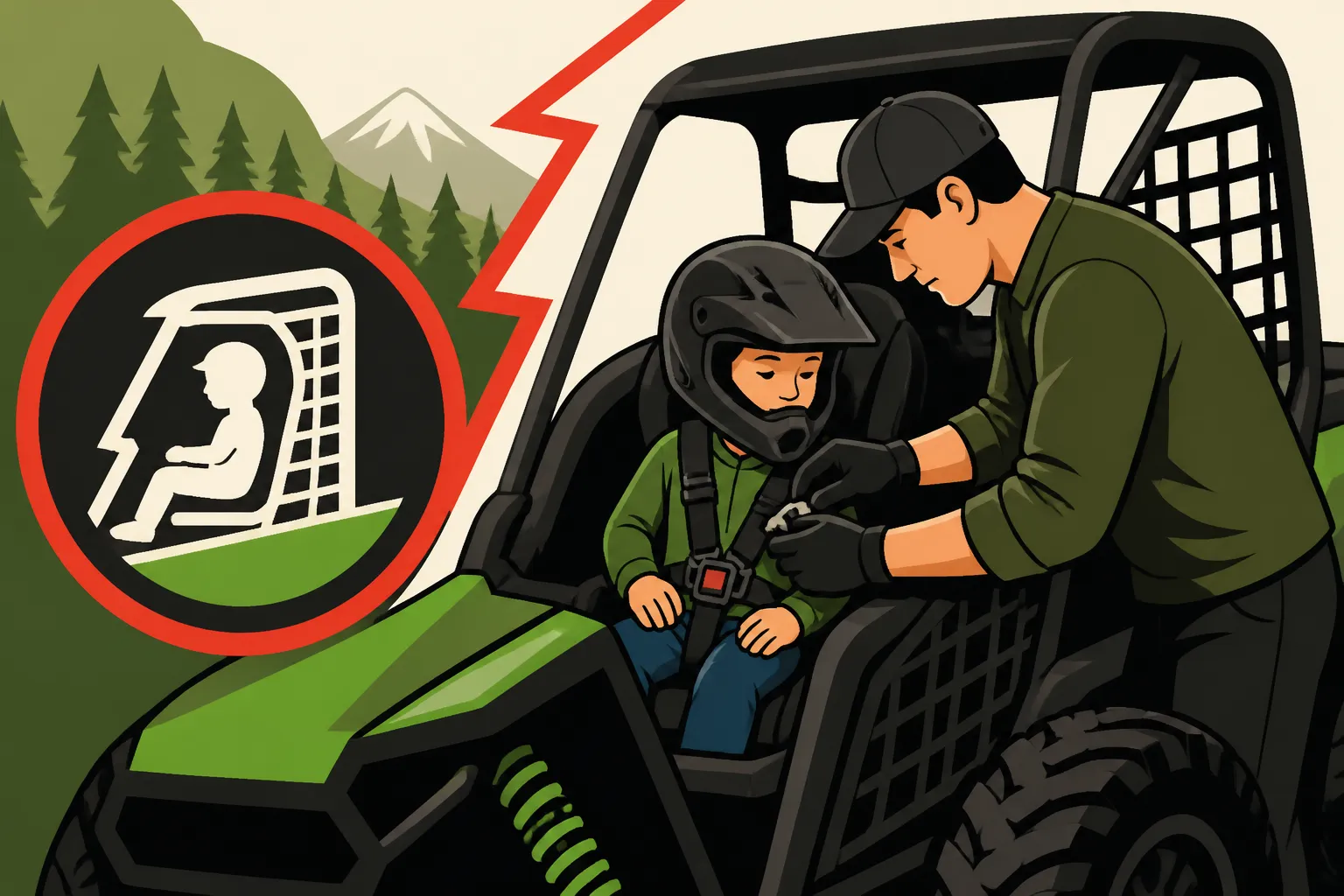
This is where the real solutions come into play. Aftermarket 4-point and 5-point harnesses are often the gold standard for securing children in UTVs. These harnesses, much like those found in racing applications, secure the child at both shoulders and hips, preventing them from being thrown forward or sideways during abrupt movements. A 5-point harness adds a strap between the legs, offering even more security by preventing submarining (sliding out from under the lap belt).
Many reputable companies, like SuperATV, offer a range of products designed to enhance UTV safety, including aftermarket harnesses and mounting solutions. When choosing a harness, look for those designed specifically for off-road use, often with padded straps for comfort and robust buckles. Installation typically involves bolting the harness to the UTV's frame or roll cage, which ensures a much more secure attachment than a standard seat belt. You might also find UTV-specific booster seats that are designed to work in conjunction with these harnesses, raising the child to a height where the shoulder straps fit correctly. These aren't your typical plastic car boosters; they often feature robust construction and mounting points.
When installing these harnesses, always follow the manufacturer's instructions precisely. Improper installation can negate all the safety benefits. This means ensuring anchor points are secure, straps are routed correctly, and there's no excessive slack once the child is buckled in. A properly installed harness, combined with a suitable booster if needed, keeps your child planted firmly in their seat, significantly reducing the risk of injury from bumps or sudden stops on the trail.
The Importance of a Properly Fitted Helmet
Even though your side-by-side has a roll cage, a helmet is still an absolutely non-negotiable piece of safety gear for children, and often for adults too, especially in Oregon. While the cage offers protection from larger impacts and rollovers, it doesn't prevent smaller bumps or whiplash from rough terrain. A child's head can still hit internal components of the cage or seat, even with harnesses. More importantly, helmets protect against debris, branches, and other hazards that can enter the open cabin.
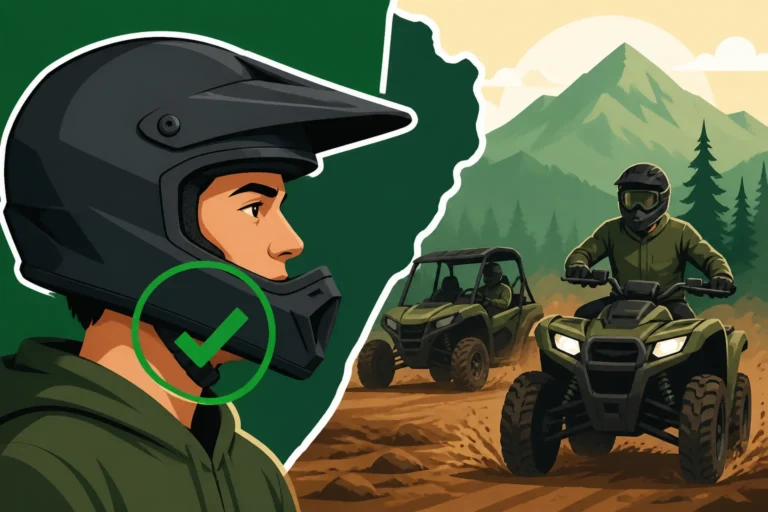
Oregon's helmet law specifies requirements for riders under 18, regardless of the vehicle type. For ATVs and UTVs, it's mandatory. So, before you even think about hitting the trail, ensure your child has a DOT-compliant (or Snell-certified) helmet that fits them snugly. It shouldn't wiggle or move when their head shakes, and the chin strap needs to be secured properly. A helmet that's too loose can come off or shift, providing no protection when it's needed most. You can dive deeper into the specific age and type requirements by looking at [Oregon Helmet Law for Children]. Investing in a good helmet is just as crucial as the harnesses; don't skip it.
Step-by-Step: Securing Your Child Safely in an Oregon Side-by-Side
Now that we've covered the why and the what, let's talk about the how. Getting your child buckled in correctly isn't just about throwing a harness on them; it's a careful process of assessment, installation, and verification. Taking the time to do it right every single time will make all the difference.
Assessing Your Child's Size and Machine's Capabilities
Before you even touch a harness, you need to do a quick assessment. First, consider your child's age, height, and weight. Are they large enough to sit comfortably in the seat without excessive gaps around their body? Can they reach the footwells or floorboards naturally? If their legs dangle, they don't have proper leverage to brace themselves, which adds to the risk.
Next, look at your UTV's seating. Does it have individual bucket seats, or a bench seat? Some aftermarket child seats are designed for specific seat types. Also, assess the mounting points for harnesses. Does your UTV have integrated shoulder harness pass-throughs in the seats, or will you need to add a harness bar? Many UTVs, especially those geared towards recreation, have accessory options for adding a harness bar to the roll cage, which provides a safe and secure anchor point for the shoulder straps of a 4- or 5-point harness. Understanding these aspects before you buy any gear will save you a lot of headache and ensure compatibility.
Installing and Adjusting Child Restraints
This is the hands-on part. If you're installing a new aftermarket harness or child seat, always start by reading the manufacturer's instructions thoroughly. Every product can have slightly different installation requirements.
- Mounting the Harness Bar (if needed): If your UTV doesn't have existing shoulder harness pass-throughs or a factory harness bar, you'll likely need to install an aftermarket one. This bar typically clamps securely to the main roll cage behind the seats. Ensure all clamps are tightened to spec.
- Attaching the Harness: The lap belts usually secure to existing seat belt mounting points, or sometimes specialized frame tabs. The shoulder straps should loop over the harness bar or through the seat's harness pass-throughs and then back down to anchor points on the frame or a crossbar behind the seat. Again, ensure all bolts are secure and thread-locked if recommended.
- Positioning the Child: Once the harness is installed, have your child sit in the seat. Adjust the seat forward or back if possible to ensure their back is against the seat and their feet are on the floorboard.
- Snugging the Harness: Fasten the harness buckles. Start with the lap belts, pulling them snug across the child's hips. You should be able to slide your flat hand between the strap and their hip, but not easily turn your hand sideways. Then, pull the shoulder straps down so they are snug against the child's shoulders and chest, without slack. The chest clip (if it's a 5-point harness) should be at armpit level.
- Checking the Fit: A good rule of thumb is the "pinch test." After buckling, try to pinch any slack in the shoulder straps vertically at the child's collarbone. If you can pinch a significant amount of webbing, it's too loose. Adjust and re-snug until you can't pinch any slack. For the crotch strap, ensure it's tight enough to prevent the child from sliding down. Remember, you want them securely held in the seat, not just loosely restrained.
Pre-Ride Checks and Ongoing Vigilance
Installing the harness correctly is only half the battle. Before every single ride, you need to perform a quick safety check. Off-road environments are dynamic, and things can shift, loosen, or get bumped.
- Harness Tension: Double-check all harness straps for tightness on your child. Kids squirm, clothing bunches, and sometimes straps just need a quick tug to re-snug them.
- Buckle Security: Ensure all buckles are fully latched and secure. Give them a firm tug to make sure they won't accidentally release.
- Helmet Fit: Re-check the helmet. Has it shifted? Is the chin strap still snug? A quick shake of the head should not cause the helmet to wobble.
- Foot and Hand Placement: Remind your child where their feet should stay (on the floorboards) and to keep their hands inside the machine and on any designated handholds. This isn't just about safety during an upset; it's about protecting fingers and toes from passing obstacles or even just the vibrations and bumps of the ride.
- General Assessment: As you ride, periodically check in. Is your child comfortable? Is anything rubbing? Are they still properly positioned? The jostling of the trail can sometimes cause children to slump or shift, so a quick visual check at stops is a good habit.
Common Pitfalls and How to Avoid Them
Even with the best intentions, it's easy to make mistakes or overlook certain details when trying to secure children in a UTV. Recognizing these common pitfalls can help you avoid them and keep your little co-pilot as safe as possible.
Loose Harnesses and Improper Installation
This is, by far, the most critical mistake. A harness that is too loose offers minimal protection and can actually contribute to injury by allowing too much movement within the seat. Think of it like this: if your child can still flop around in the seat, even with the harness on, they're not truly secured. In a sudden stop or impact, they'll still be thrown forward until the harness catches them, leading to a much harsher deceleration and potential injury.
How to avoid it: Always perform the "pinch test" on the shoulder straps and ensure the lap straps are snug across the hips. After buckling your child in, give the straps one last pull to remove any slack. If you've just installed a new harness system, take the UTV for a slow, gentle test drive on a flat surface, then re-check all the anchor points and the harness tension on your child. Sometimes new webbing can stretch slightly after initial use. This vigilance is paramount to ensuring the harness performs its job.
Overlooking the Smallest Details: Foot Placement and Handholds
It's easy to focus on the big things like harnesses and helmets, but the seemingly small details can make a big difference, especially with active kids. A child's feet dangling outside the machine, or hands reaching for something outside the cage, are recipes for injury on a rough trail. Imagine a low-hanging branch or a sudden drop-off—unprotected limbs are incredibly vulnerable. While [Foot Pegs and Oregon's Passenger Rule] are often discussed in the context of ATVs, the principle applies equally to UTVs: if a child's feet aren't securely placed and protected, they are at risk.
How to avoid it: Make it a strict rule: feet on the floorboards, hands inside the cage on designated handholds. For very small children, consider installing grab handles or a "monkey bar" on the roll cage within easy reach. Some UTV child seats also include integrated armrests or side bolsters that help keep little hands and arms contained. Explain why these rules are important – not just "because I said so," but "because a branch could hit your hand" or "your foot could get caught." Empowering them with knowledge can help them adhere to the rules.
The Myth of the "Cage as Protection"
Many first-time UTV owners, or even seasoned riders new to carrying passengers, tend to overestimate the protective capabilities of the roll cage alone. While the cage is designed to protect occupants in a rollover by preventing collapse, it does not prevent occupants from being tossed around inside the cage. Without proper harnessing, a child can still be ejected from the vehicle or suffer severe internal injuries from hitting the cage itself during an upset. The cage is a structural integrity measure; the harness is the occupant containment measure. They work together, but one does not replace the other.
How to avoid it: Never rely solely on the cage for protection. Always pair it with a properly installed and adjusted 4- or 5-point harness system and a well-fitting helmet. Reinforce this understanding for any other adults who might be driving the UTV with your children. Think of the cage as the outer shell and the harnesses as the internal shock absorbers that keep your child safe within that shell.
Comparing Child Restraint Options for UTVs
To help clarify your choices, here’s a quick comparison of common child restraint options for side-by-sides:
| Restraint Option | Pros | Cons | Best For |
|---|---|---|---|
| Factory 3-Point Belt | Simple, readily available, requires no extra cost. | Often poor fit for small children (neck/abdomen), allows significant movement, not designed for off-road impacts. | Larger children/adults with proper belt fit; not recommended for young children without additional support. |
| Booster Seat (UTV Specific) | Elevates child for better harness fit, provides some side support. | Requires a compatible harness system (often 4/5-point), not typically anchored like car seats, still needs correct harness routing. | Children who need a height boost for proper harness fit but are too small for factory belts. |
| 4-Point Harness | Much better containment than 3-point, secures shoulders and hips, reduces whiplash/ejection risk. | Requires aftermarket installation (often harness bar), can be more complex to adjust than 3-point. | Most children who are too small for factory belts, providing good upper body and hip restraint. |
| 5-Point Harness | Gold standard for containment, adds anti-submarining strap, maximum security. | Most complex installation, can feel restrictive for some children, higher cost, may require specific seat types. | Youngest riders, or any child for maximum possible security in aggressive riding conditions. |
| UTV Child Seat (Dedicated) | Specifically designed for UTVs, often integrates 4/5-point harness, engineered for off-road. | Highest cost, may limit seating positions, less versatile than standalone harnesses, specific to certain UTV models. | Very young children where maximum safety and dedicated fit are paramount; often includes additional padding and head support. |
No matter which option you choose, remember that the goal is always the same: keep your child securely in their seat, properly restrained, and protected from the unique hazards of off-road riding in Oregon. Prioritize safety above all else, and you'll create lasting, fun memories on the trails together.
Disclaimer
This article is for general informational purposes only and does not constitute professional advice. Laws, prices and regulations vary by location and change over time. Consult a qualified professional for guidance on your specific situation.